 | ||||||||||||||||||||||||||||||||||||||||||||
|
Saturday, April 4, 2020
Fwd: Decoding the Great Pyramid now online!




Grand Egyptian Museum Begins Installation of New 42-Piece Staircase Exhibit
https://www.cairoscene.com/Buzz/gem-new-staircase-exhibit
Grand Egyptian Museum Begins Installation of New 42-Piece Staircase Exhibit
The exhibit is divided along four central themes and will usher in visitors in the most spectacular style.
- CairoScene Team
Date 01/04/2020 15:48
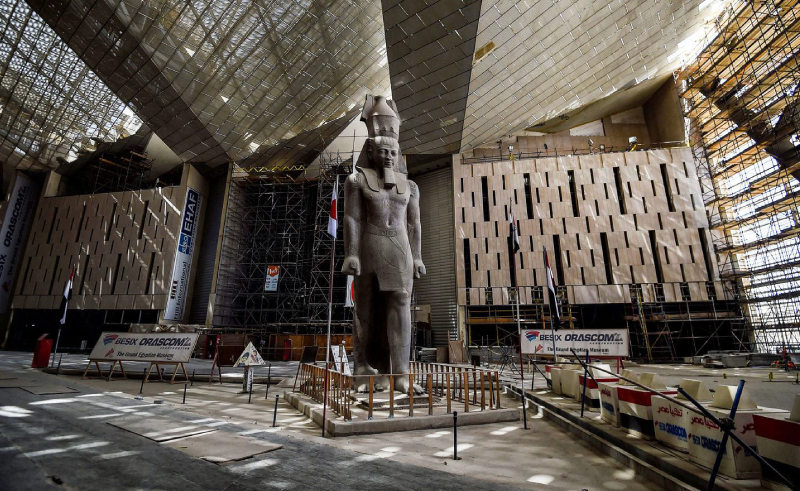
Gods, kings and doors to the underworld are just a preview of what awaits us at what will be a large exhibit set-up at the entrance to the Grand Egyptian Museum. Just yesterday, the museum was able to complete lifting and installing 42 large artefacts, mainly made up of statues, along the large staircase outside of the main entrance will showcase four themes in ancient Egypt.

The first theme, starting at the bottom of the stairs, touches on the subject of royalty with statues of kings and queens throughout history up until the Greco-Roman era. The second theme, which will be higher up on the staircase, highlights architecture in places of worship, where temples from different periods will be set up. As for the third theme, it will show the common practice of merging of ancient gods with Pharaohs, highlighting the divine light in which rulers were seen. The fourth and final theme explores a Pharaoh's journey into the afterlife through sarcophagi, false doors that represent transcending into the underworld, and canopic jars.
The Grand Egyptian Museum is now preparing guidelines for the aesthetic presentation of the exhibit, which includes an especially customised lighting system designed to make the artefacts look that much more stunning. Statues of King Ramses II, Queen Hatshepsut and the warrior goddess, Sekhmet, are among the many artefacts that had previously been installed on the grand staircase, and with these new additions, we don't think the doors of the museum need to open at all.
-- Sent from my Linux system.
Egyptian Museum in Tahrir to Launch New Series of Online Lectures
https://www.cairoscene.com/Buzz/Egyptian-Museum-in-Tahrir-to-Launch-New-Series-of-Online-Lectures
Egyptian Museum in Tahrir to Launch New Series of Online Lectures
The lecture is the first of a series that will be held with other museums across the country.

Date
03/04/2020 17:29
03/04/2020 17:29
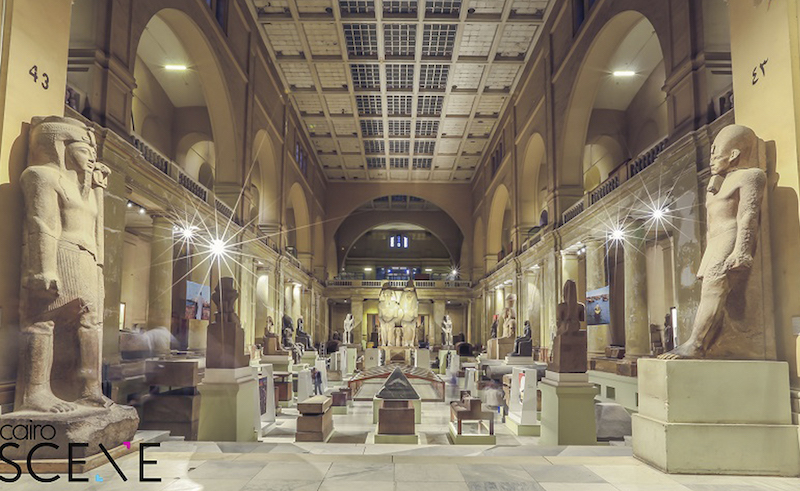
The Egyptian Museum in Tahrir has teamed up with the French Institute for Oriental Archaeology (IFAO) in Cairo to launch a new series of online lectures that will delve into the country's rich history.
Streaming live on the museum's official Facebook page, the first lecture, entitled 'Research Methods in Archeology ', will take place on Wednesday April 8th and will be led by Islam Ezzat, a researcher in the science of ancient materials at IFAO's archaeology department.
Exploring qualitative and quantitative analysis in the field, the lecture will look at the evolution of the methodologies applied to Egyptian and Islamic archaeology, while touching on the management of museums and archaeological sites.
Though details of the subsequent lectures have yet to be announced, a statement from the Ministry of Tourism and Antiquities has revealed that the lectures will be undertaken in cooperation with other museums around Egypt.
Tune into facebook.com/EgyptianMuseumCairo.
-- Sent from my Linux system.
Friday, April 3, 2020
Embark on virtual journey through the ancient Egyptian civilization when stuck at home - Egypt Independent
https://egyptindependent.com/embark-on-virtual-journey-through-the-ancient-egyptian-civilization-when-stuck-at-home/
Embark on virtual journey through the ancient Egyptian civilization when stuck at home

The Ministry of Tourism and Antiquities is teaming up with its partners from scientific and archaeological institutes in an effort to offer a series of virtual and guided video tours of a wide array of museums and archaeological sites around Egypt.
This initiative, which has been recently launched under the slogan "Experience Egypt from Home. Stay Home. Stay Safe", aims to enable people worldwide to embark on a journey through the ancient Egyptian civilization during their home confinement, within the precautionary measures taken to fight Coronavirus (Covid19) outbreak.
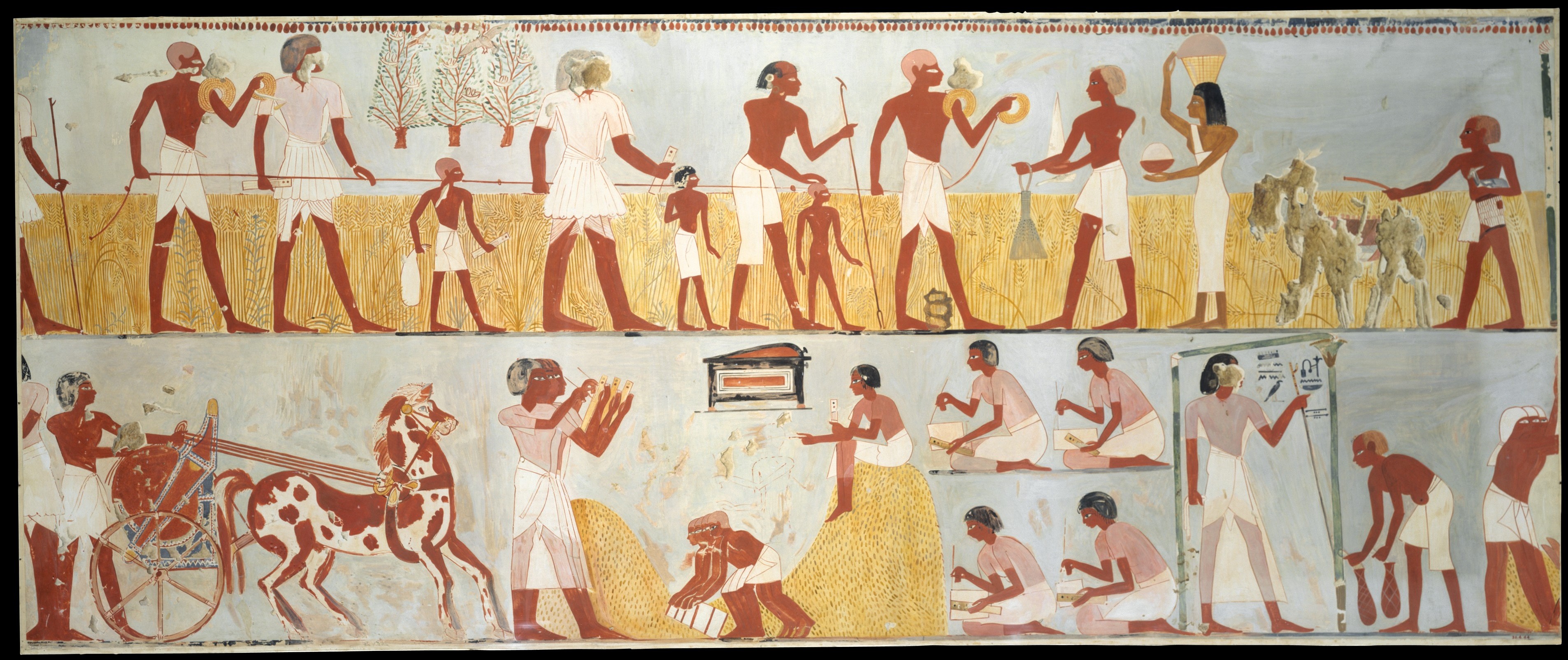
In cooperation with the American Research Center in Cairo, the Ministry of Tourism and Antiquities presents on Friday its first tour of these virtual series exploring the Menna Tomb in Theban Necropolis.
It dates back to the 18th Dynasty and is one of the most visited and best-preserved of the small 18th Dynasty elite tombs of the nobles on Luxor's West Bank.
The tours will be available on the Ministry's official website and Social Media platforms (Facebook, Instagram, Twitter and Experience Egypt).
-- Sent from my Linux system.
Thursday, April 2, 2020
New findings in Oxyrhynchus archaeological site | Mirage News
https://www.miragenews.com/new-findings-in-oxyrhynchus-archaeological-site/
New findings in Oxyrhynchus archaeological site

View of one of the areas in the archaeological site.

Mummified individual in one of the site gravestones.
The archaeological mission returned this March to the ancient city of Oxyrhynchus in Egypt. The work had to finish early due to the COVID-19 epidemics, although the campaign could focus on the study of architectonic structures and funerary rituals from the Saite Period (corresponding to the Late Period of Egypt, which started in the 7th century BC) until the Christian-Byzantine period.
The work was focused on the site of the High Necropolis. Researchers conducted anthropological studies of the buried deceased and consolidation and restoration tasks on wall paintings and different objects that were recovered during the excavation. They also worked on remains from the great religious building from the Christian-Byzantine period found in the site. They recovered many elements such as lesenes, cornices, and fragments from archs that were decorated with plant and floral, geometrical and zoomorphic themes. They highlighted the remains of a papyrus with a Greek carved text, which is under study, and a gravestone with an engraved text in Coptic.
During the campaign, the researchers found a total of six individual gravestones from the Saite Period and two from the Roman Period. This is the first time to find Saite-Persian gravestones under the bases of the gravestones from a Roman Period. Some of the findings were related to the deceased people from the Byzantine Period, such as inkpots and bronze earrings, ostracons (pieces of pottery to write on) and a funerary gravestone from a freedman (libertus), a released slave who could prosper and had been asked to work on a stele.
Last, during this mission, researchers worked on topographical works, as well as 3D photogrammetry and aerial imaging.
The excavation in the Oxyrhynchus site is a promoted project by the Institute of Ancient Near East Studies (IPOA) of the UB, the Spanish Ministry for Culture and Sports, the University Paul Valéry – Montpelier 3, the Palarq Foundation and the Catalan Society of Egyptology.
/Public Release. View in full here.
-- Sent from my Linux system.
How the Man Who Invented Xbox Baked a 4,500-Year-Old Egyptian Sourdough - Gastro Obscura
https://www.atlasobscura.com/articles/what-bread-did-ancient-egyptians-eat
How the Man Who Invented Xbox Baked a 4,500-Year-Old Egyptian Sourdough
It took three experts, two museums, and one clay pot to bake a truly ancient loaf.
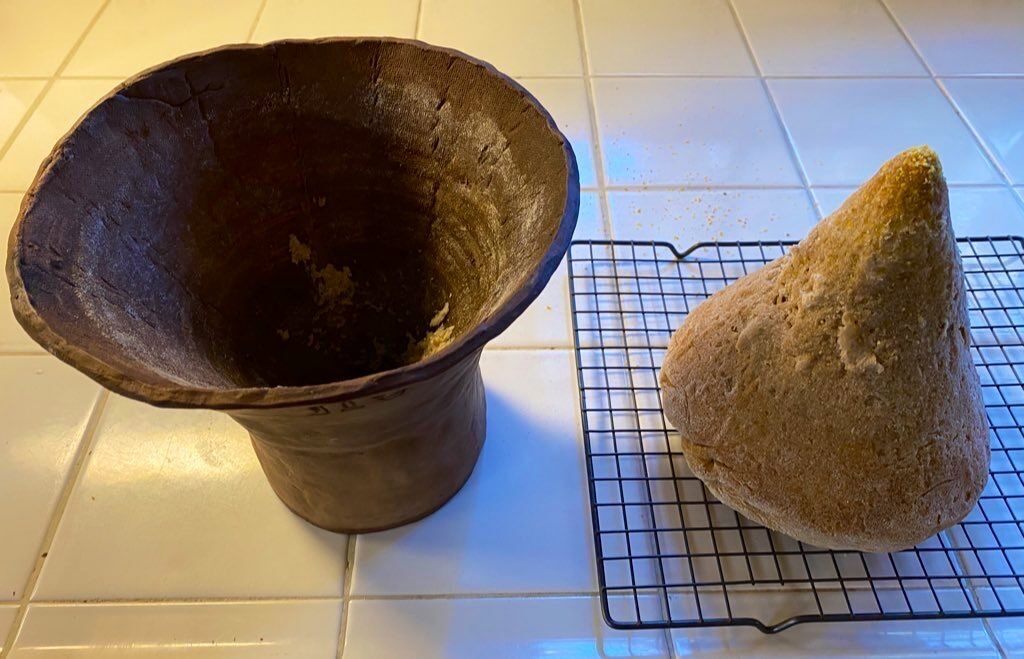
Like many of us, Seamus Blackley tweeted a photo of homemade sourdough while stuck at home this weekend. Unlike many of us, however, Blackley is no novice, and this was no online recipe comprised of everyday ingredients. A trained physicist and video game producer credited with inventing the Xbox, Blackley is also an experienced baker and amateur Egyptologist. The recipe came, in part, from ancient hieroglyphs, and the ingredients came, in part, from museum archives.
Blackley's weekend sourdough was the culmination of a year-long passion project that produced a loaf of bread not eaten for millenia. By extracting 4,500-year-old dormant yeast samples from ancient Egyptian baking vessels and reviving them in his home kitchen, Blackley and his collaborators quite literally brought history to life, and ate it. "It was unbelievably emotional for me," says Blackley. "I stan Egypt." While the breakthrough is cause for celebration among Egyptophiles, archaeologists, and bakers everywhere, the project was actually born of an online blunder.
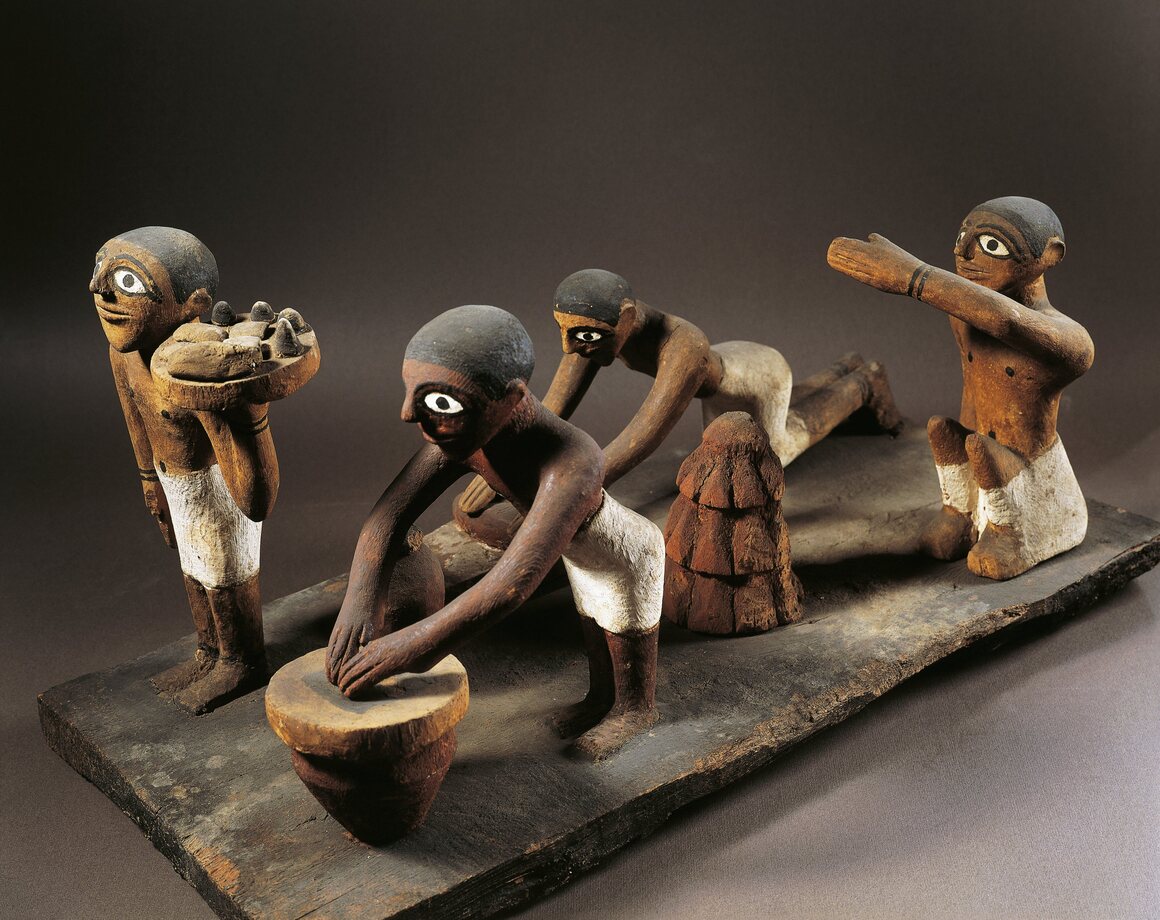
Ever since he first saw a mummy on Scooby-Doo as a child, Blackley has harbored an insatiable curiosity for all things Egypt. And ever since his parents let him in the kitchen as a teenager, he's been baking bread as well. So when a friend approached him last April with what he claimed was ancient Egyptian yeast, Blackley leapt at the opportunity, tweeting a photo of the resultant "ancient" loaf. Online academics summarily dragged him for the yeast's questionable provenance.
One of the detractors was an archaeologist with a background in Egyptology from the University of Queensland, Dr. Serena Love. "I was like, 'Who is this guy?' I don't have an Xbox, I could care less about Xboxes," says Dr. Love. She expertly probed him about the yeast, asking what Blackley ultimately called "the right questions." Another interested voice was Richard Bowman, a biologist at the University of Iowa.
"I hadn't exactly done my homework," says Blackley. "They weren't trolling me—I'm from the games business, I'm immune to trolling at this point. They were just after the proof. I was really embarrassed I hadn't done this right."
The online reaction actually seemed to encourage Blackley. "I feel I have a responsibility of being a modern representative of ancient Egyptians and not letting people give them any shit," says Blackley. He'd hoped his experiment would disprove all-too-common assumptions about ancient cultures.
"People assume they were primitive because they didn't have iPhones," says Blackley. "They were potentially more sophisticated because of that." He believes that feeble attempts at ancient-baking reenactments further denigrate the legacy of ancient Egyptians as well. "People come out with a bad result and say, 'Oh, look at this disgusting food, the ancient world must have been terrible,' but anyone who's studied this knows that's utter bullshit," says Blackley. "They were master bakers."
Instead of arguing with his auditors, Blackley enlisted Love and Bowman to help him get it right and bake a truly ancient Egyptian loaf. "I picked the two people who gave me the most crap and I said, 'Let's be friends,'" says Blackley.
Between an archaeologist, a biologist, and a dedicated, well-funded baker, the team laid their groundwork. If Dr. Love could secure access to ancient baking pottery, Bowman could provide a safe method to extract the ancient yeast for Blackley to then revive and bake. "It was one of those weird confluences where the right people with the right mix of skills showed up on Twitter at the same time," says Blackley.
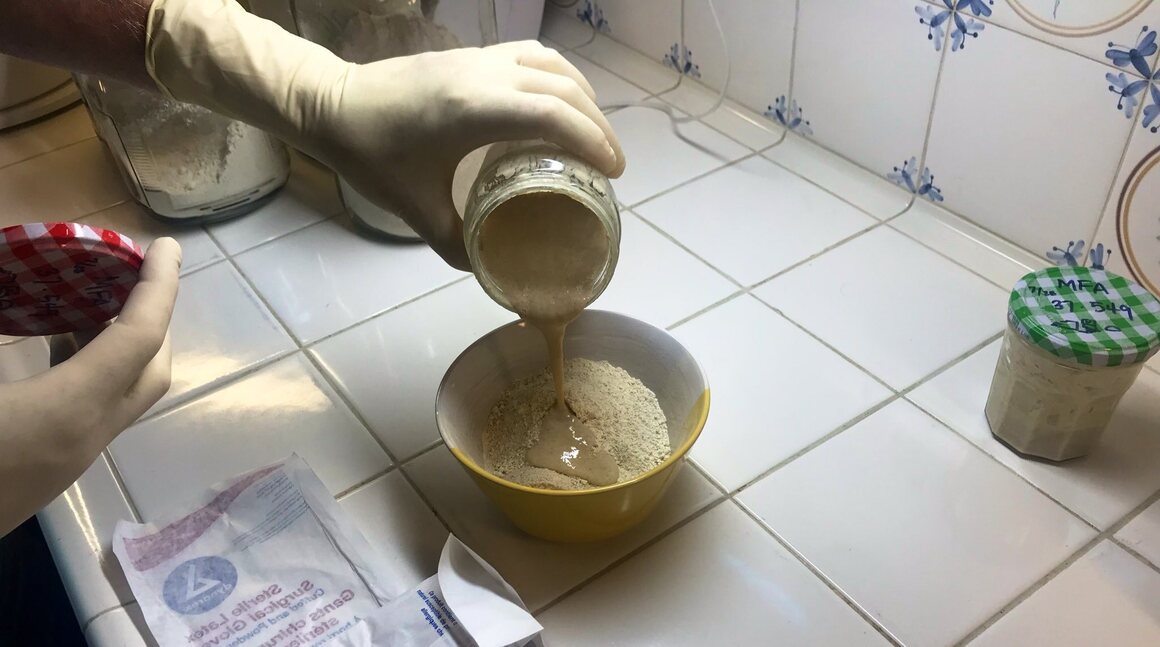
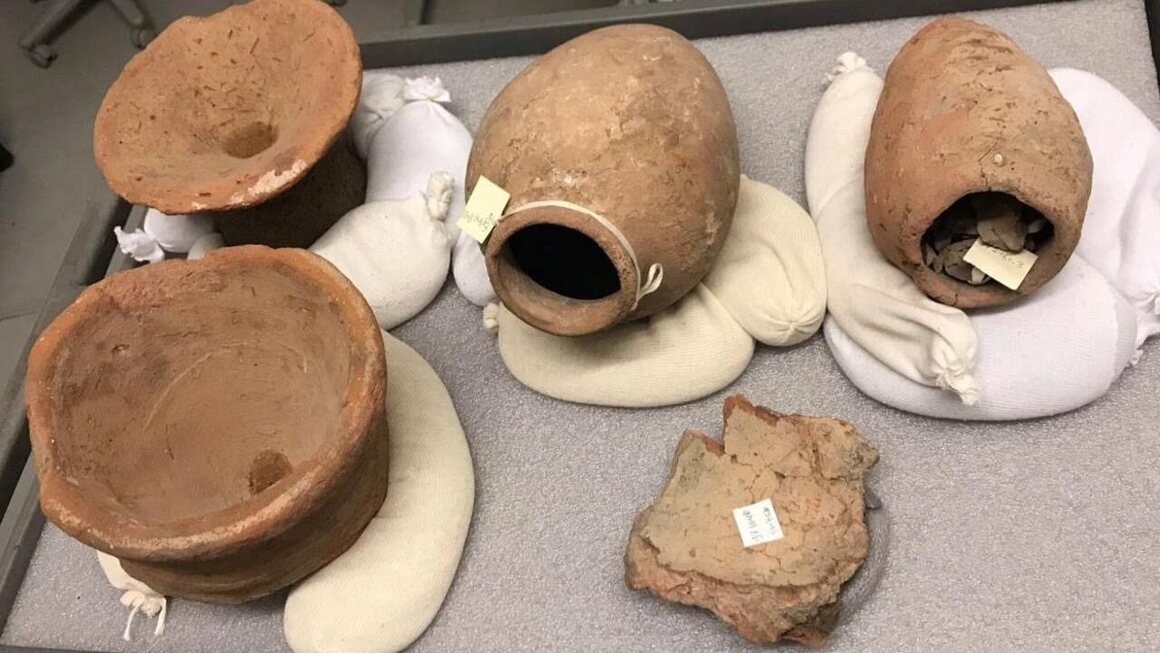
Dr. Love contacted several museums throughout the United States and Europe with Ancient Egypt collections and requested access to their archives. "I definitely received mixed responses," says Dr. Love. "A lot of people ignored me." Finally, Boston's Museum of Fine Arts and Harvard's Peabody Museum relented, allowing Blackley access to their deep troves of ancient Egyptian artifacts. "It was a little intimidating, to be honest," he says. Bowman's non-invasive extraction method resembles miniaturized fracking, wherein a portion of ceramic is injected with a nutrient bath before being pulled out through a syringe with the ancient yeast intact.
Blackley shipped the samples to Bowman in Iowa, but took one vial home to Southern California to feed and propagate himself. Interestingly, the sample could only be revived with Emmer flour, a denser varietal of flour likely used by Egyptians of the Old Kingdom. Modern growth media consistently killed the yeast samples in Bowman's lab in Iowa as well, leading them both to a similar conclusion: In the off-chance that the samples were contaminated, the microbes are still likely thousands of years old.
Blackley revived the yeast and baked it on a pan in his conventional home oven, resulting in a loaf that made headlines this past August. "I've made a fuck ton of sourdough," says Blackley, "but this was different." The ancient loaves were sweeter and chewier than the standard modern sourdough, with a smooth crumb closer to white bread.
For a truly ancient loaf, however, Blackley would have to bake like an Egyptian.
According to Dr. Love, commoner foods of the Old Kingdom included beer, pulses, and onions ("they were much sweeter than ours, you could eat them like apples," she says), but nothing was more ubiquitous than bread. Blackley, having studied hieroglyphics, says ancient Egyptians actually had 176 words for it. If they were big on baking, however, they were less insistent on clear recipes, relying mostly on oral transmission of instructions. As such, Dr. Love had to synthesize data from ancient art, writing, and archaeology to decode their baking methods.
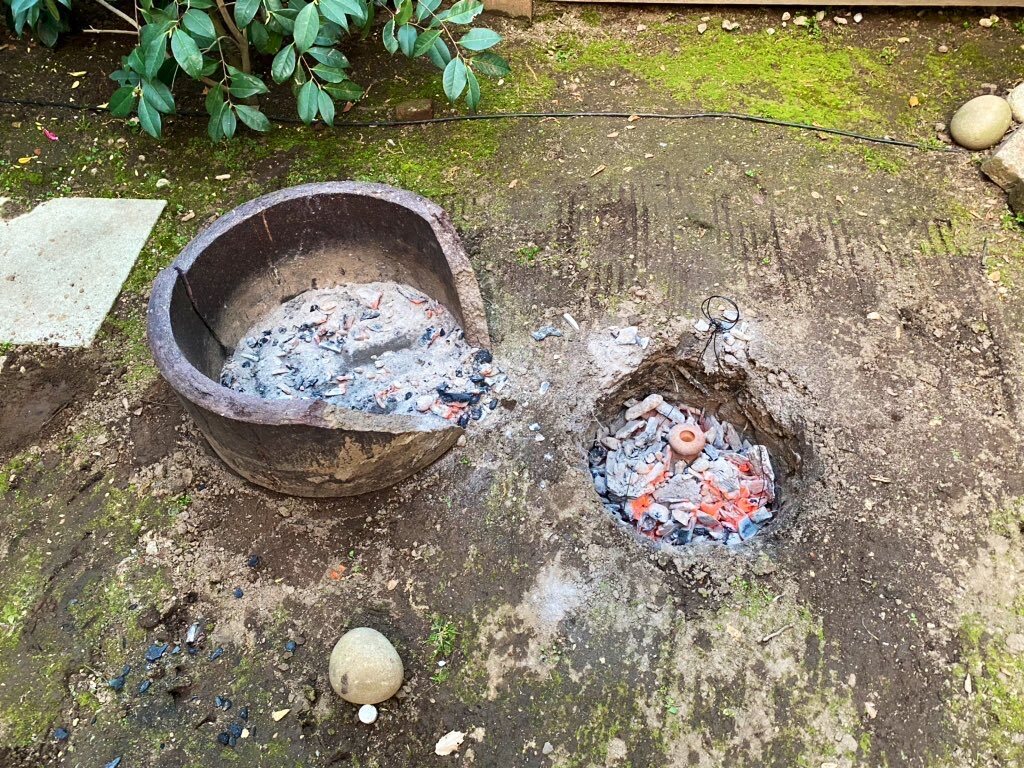
Her work showed that Egyptians placed their dough into a heated, conical, clay pot called a bedja before burying it in a hole surrounded by hot embers, a process Blackley made it his mission to reenact to perfection. "The guy's mind runs at 100 miles per hour," says Dr. Love, "but he's very methodical. I knew it would work."
First, Blackley spent months baking ancient sourdough in his home oven using a tajine as a stand in for a bedja. Staying true to the yeast's forebears, he even fermented all his yeast at exactly 94° F. "That's the average daytime temperature around the Nile, and it makes bangin' bread," says Blackley.
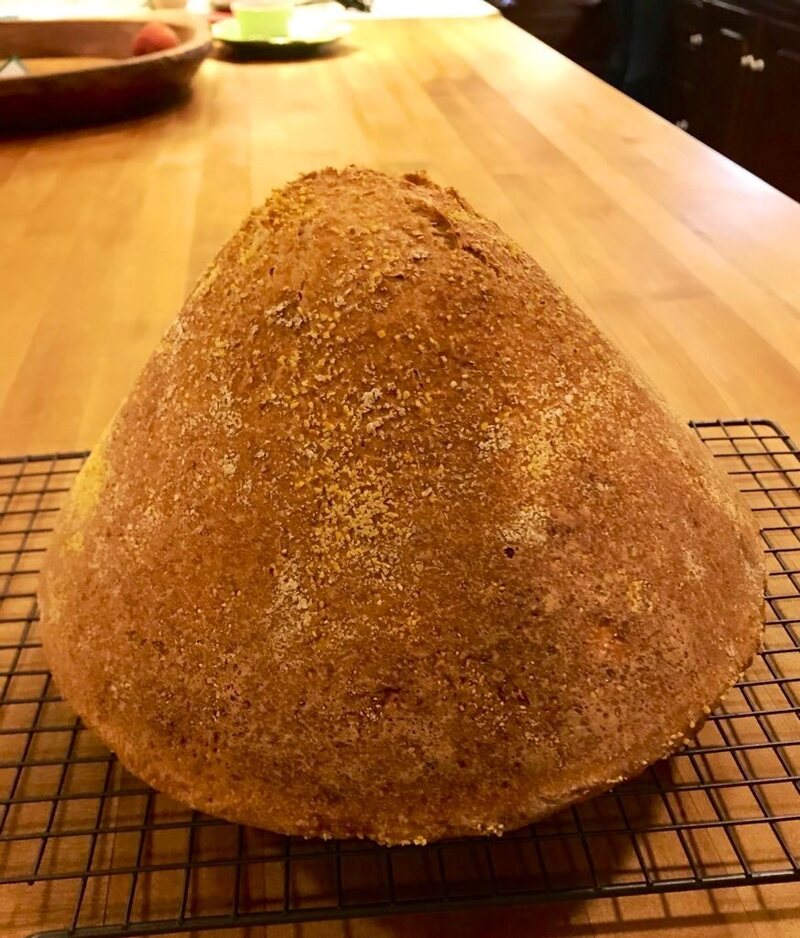
He estimates that he cooked about 75 loaves before building his own bedja by hand and digging a hole in his backyard to master underground baking. "If I hadn't spent so much time working on it, it would have been a wreck," says Blackley. "I would have been another one of those people posting a shitty, burned, flat loaf saying, 'Welp I guess this is what the ancient Egyptians had to deal with!'" Instead, Blackley's backyard loaf proved exceptional, if not for one minor hiccup. "I was freaking out because I burned the top," says Blackley. "But in the end, I realized the process of figuring out how to bake like them was really what got me so close to these people I respect so much, not the end product." From the ancient yeast to the underground baking method, Blackley had at long last produced an indisputably ancient loaf with the same rich sweetness as his summer sourdough.
For now, Bowman continues to sequence the extracted samples in his lab, separating ancient yeast from modern contaminants. Dr. Love plans on gathering a greater diversity of yeast samples from an array of Egyptian artifacts. And Blackley fantasizes about one day selling ancient Egyptian bread commercially.
Once the sequencing is completed, the team has agreed to return the isolated ancient yeast to Egypt in one form or another. "It's their property," says Dr. Love. In the meantime, Blackley is digging more holes in his backyard.
You can join the conversation about this and other stories in the Atlas Obscura Community Forums.
Gastro Obscura covers the world's most wondrous food and drink.
Sign up for our email, delivered twice a week.
-- Sent from my Linux system.
Wednesday, April 1, 2020
New Tool for Biomedical Research Was Invented in Ancient Egypt | Smart News | Smithsonian Magazine
https://www.smithsonianmag.com/smart-news/new-tool-biomedical-research-was-invented-ancient-egypt-180974559/
New Tool for Biomedical Research Was Invented in Ancient Egypt
The bright blue pigment that adorns the Bust of Nefertiti's crown can now be used to study molecular biology

smithsonianmag.com
Thousands of years ago, a bright blue pigment colored the walls of tombs, ceramic figurines, and the crown of the Bust of Nefertiti. This colorful chemical, calcium copper silicate, was invented in ancient Egypt and still fascinates researchers today.
A new study published last month in Nature Communications details how nanoscale sheets of the pigment, also called Egyptian blue, can be used in biology research. Through a series of steps, powdered Egyptian blue pigment can be flaked apart into mineral sheets 100,000 times thinner than a human hair, according to a statement. Then, when inserted into biological samples, it can illuminate the molecular mechanisms of life.
"I am sure it will be of growing interest for material scientists as well as biomedical research," chemist and lead author of the study Sebastian Kruss of Georg August University Göttingen tells artnet News' Naomi Rea.
Egyptian blue got its start as an artificial replacement for dye made of lapis lazuli, a semiprecious stone mined in a region that is now Afghanistan. The natural resource was relatively rare, so by about 2,500 B.C., the Egyptians found a way to make more of the same hue at home. The recipe involved simply mixing limestone, sand, and copper in high heat, and factories were built to produce the sought-after substance.
Over time, the Egyptians shared their process with neighboring civilizations. Signs of Egyptian blue have been found in relics of ancient Mesopotamia, Greece, and Rome, per History. Production of the pigment seems to have stopped around 1,000 A.D., and its recipe wasn't rediscovered until 19th century research was prompted by brilliant blue paintings found on the walls of Pompeii.
The archaeological finds point to the pigment's stability—a key characteristic that could make it useful in biomedical imaging. Another important aspect is the way that the molecule fluoresces under infrared light. In the new study, the researchers focused on how Egyptian blue could be used for near-infrared imaging.
The new study builds on previous research that suggested Egyptian blue pigment could be repurposed for scientific research. In 2009 and 2013, researchers showed the pigment's fluorescence in near-infrared light, and that it dissolves into flakes when stirred in hot water for a few days. Now, it's clear that the pigment can be taken up in study samples and that it is stable over time.
Using near-infrared light, which has wavelengths just beyond the longest that humans can see, researchers can look into biological samples. Some fluorescing molecules emit light when they're hit by infrared waves. But the Egyptian blue nanoparticles in the new study happen to be significantly brighter than other options currently available for near-infrared imaging studies. It also doesn't bleach over time the way that other molecules do, making it better for studying processes that may take hours.
To show that the bright blue nanoscale sheets could be used in biomedical research, the scientists conducted two imaging experiments. In the first, they put their Egyptian blue particles into a fruit fly embryo and watched under a microscope to see how the fluorescent spots moved as the fly developed. In the second, they put the particles into a plant's leaves, and compared it with another molecule commonly used to study in near-infrared imaging. Leaves are tricky because they fluoresce slightly on their own. But the researchers showed that the Egyptian blue-containing leaf lit up bright, visible without a microscope, while the other molecule's light was hidden in the leaf's own fluorescence.
"These tiny [Egyptian Blue] particles are then very useful glowing labels in biomedical research," Kruss tells artnet News. He calls it a "very powerful fluorophore," that could be used "to understand how an embryo develops or cells divide," as well as in "image guided surgery, or labelling of cancer tissue."
-- Sent from my Linux system.
Tuesday, March 31, 2020
Egypt Lights Up the Great Pyramid of Giza With 'Stay Home, Stay Safe' Message - OkayAfrica
There's a certain irony here in this photo, but I've read that Egypt has closed all antiquities sites to tourists. Glenn
https://www.okayafrica.com/egypt-lights-up-the-great-pyramid-of-giza-with-coronavirus-message/
(Photo by KHALED DESOUKI/AFP via Getty Images)
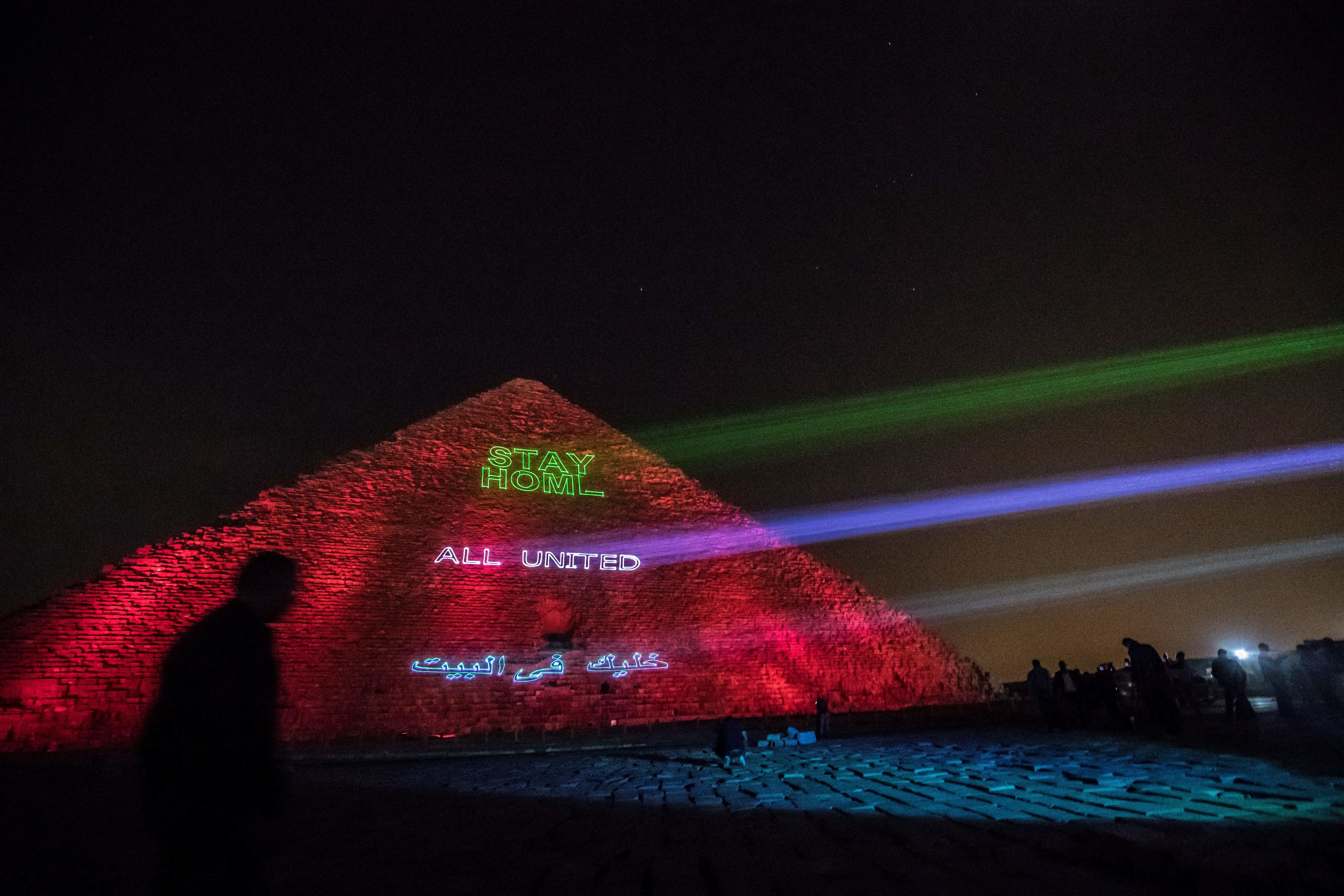
People take pictures of the Great pyramid of Kheops at the Giza plateau outside the Egyptian capital Cairo where a laser projection writes "Stay home, all united" on March 30, 2020, amid the spread of the COVID-19 infection, caused by the novel coronavirus.
Egypt Lights Up the Great Pyramid of Giza With 'Stay Home, Stay Safe' Message
As the coronavirus pandemic grows, people and governments across the globe are taking action to spread a message of unity and safety.
Egypt's Ministry of Tourism and Antiques did so in a major way on Monday, by lighting up both sides of the Great Pyramid of Giza with messages showing appreciation for health care workers and reminding people to stay in their homes in order to combat the spread of the virus.
The words "Stay Home, Stay Safe, Thank You to Those Keeping Us Safe," were displayed in both English and Arabic in flashing red and green light across the ancient pyramid.
"The tourism sector is one of the most affected industry but our priority is health," said Tourism and Antiquities Minister Khaled al-Anani during a press conference in front of the pyramid.
Since the onset of the virus, Egypt has taken measures to disinfect its ancient sites, and has been commended by WHO for the proactive safety measures it has enacted, according to a report from AFP.
Egypt was one of the first African countries to record cases of the novel coronavirus earlier this mont. According to BBC's coronavirus in Africa tracker, there have been 656 confirmed cases and 41 deaths in the country. On Sunday, the country announced the death of Ahmed el-Lawah, the first doctor to succumb to the disease.
There are now 5,391 cases of coronavirus across Africa. To stay up to date about how the pandemic is affecting the continent, check out our country-by-country roundup.
-- Sent from my Linux system.
Subscribe to:
Posts (Atom)