Search This Blog

Monday, October 29, 2018

Have You Seen These Mysteriously Lifelike Portraits from Ancient Egypt? | About Her


https://www.abouther.com/node/14381/entertainment/art-books/have-you-seen-these-mysteriously-lifelike-portraits-ancient-egypt

Have You Seen These Mysteriously Lifelike Portraits from Ancient Egypt?

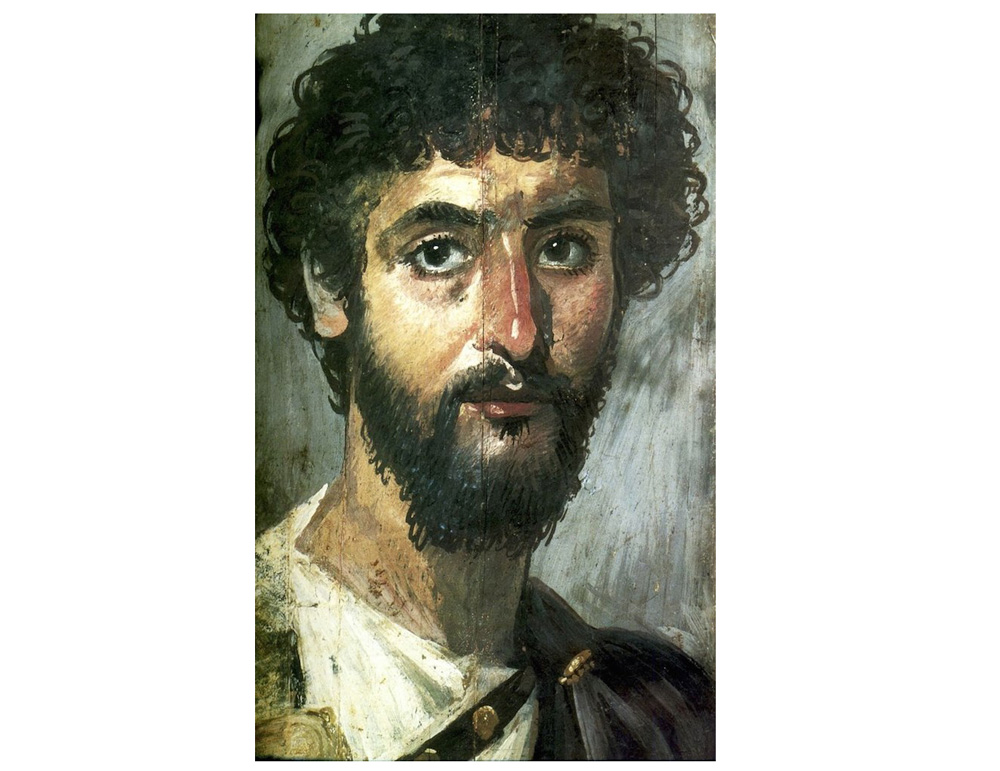
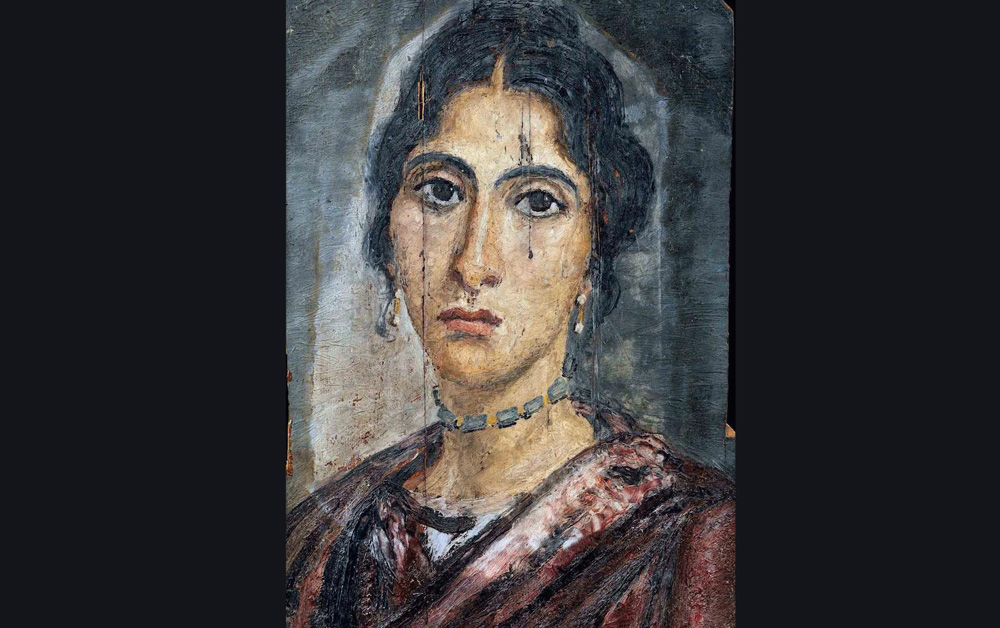
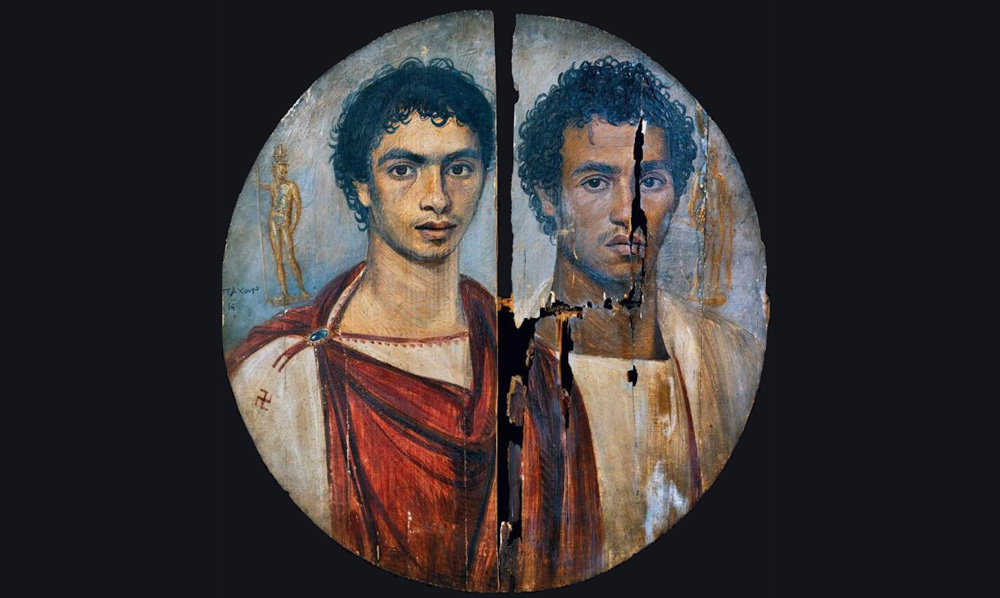
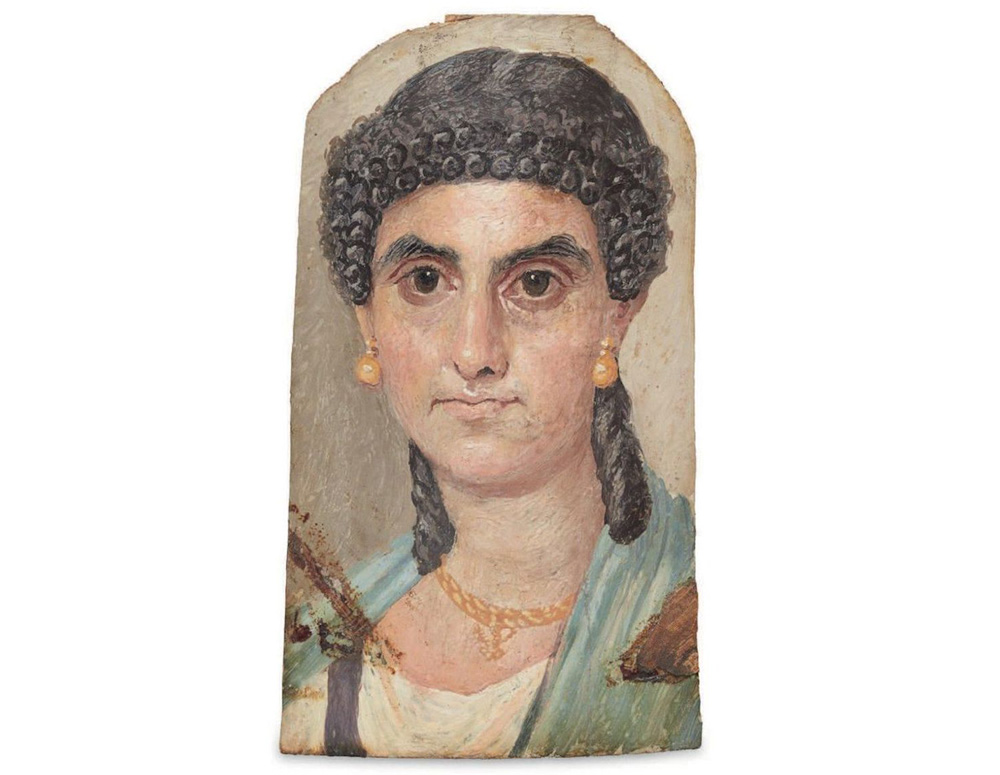
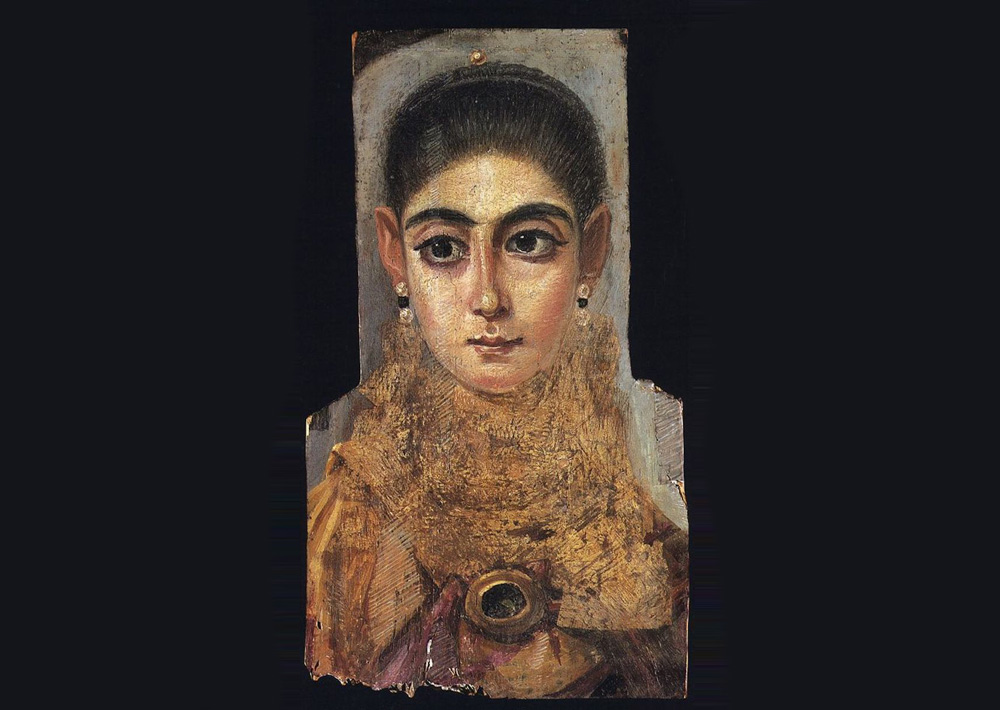
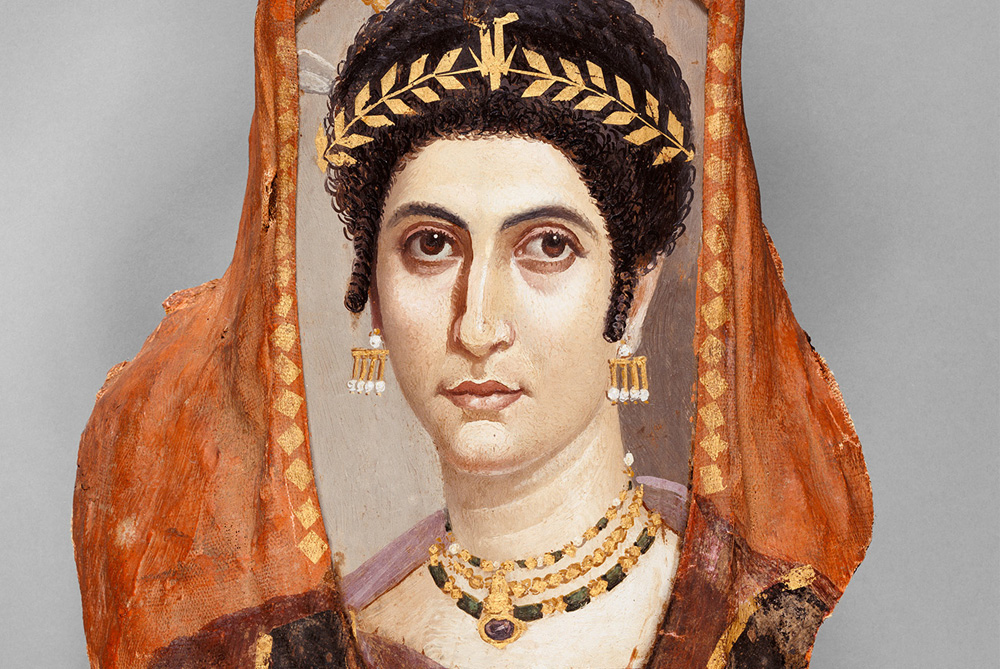
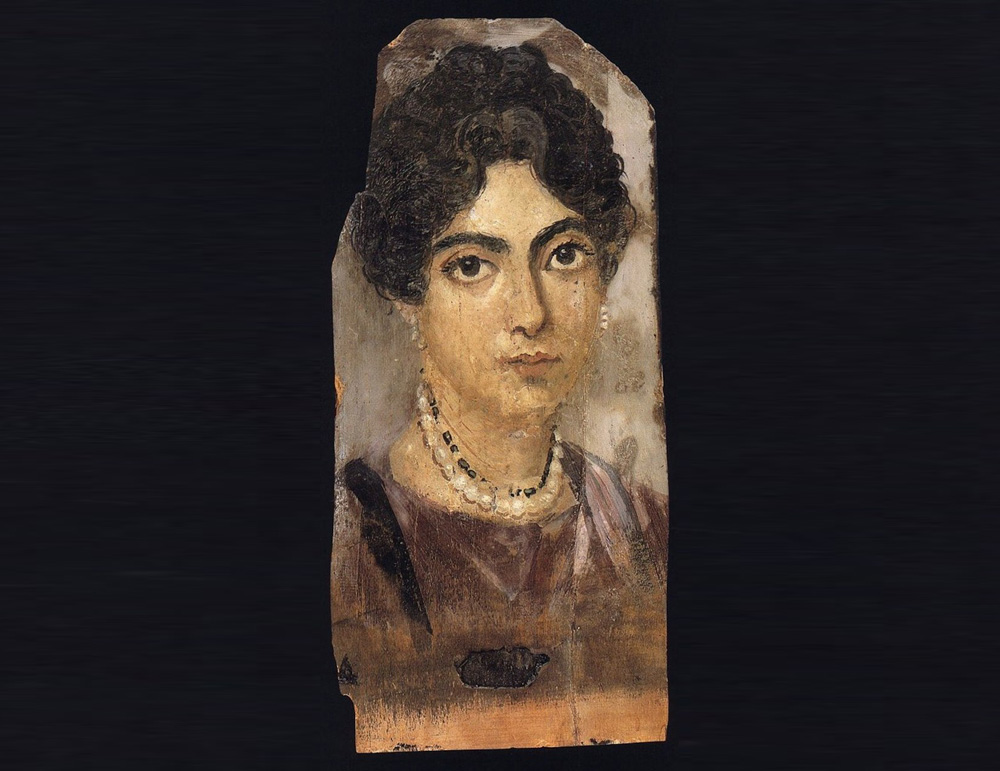
Some say that these portraits more interesting and remarkable than the excavation of the tombs of the Pharoahs... They're just so real, so vibrant. You can really imagine these people in front of you and even picture them speaking, so it's hard to believe that they're almost two thousand years old.

Material-wise, these vivid and lifelike portraits that were found in Al-Fayoum in Egypt are made with either colored wax or tempera. The actual purpose of these portraits was also very specific, because they were not made for people who commissioned them themselves. They were made to depict the image of a beloved person who was recently deceased. In their portraits, they are shown at the height of their health, vigor, and beauty.

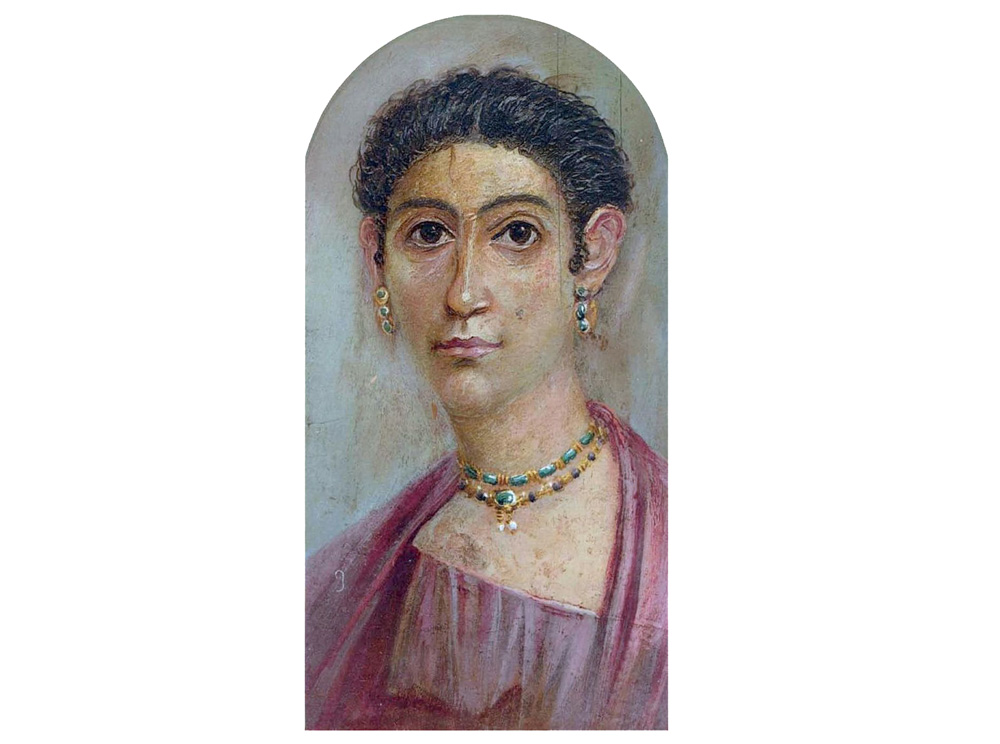
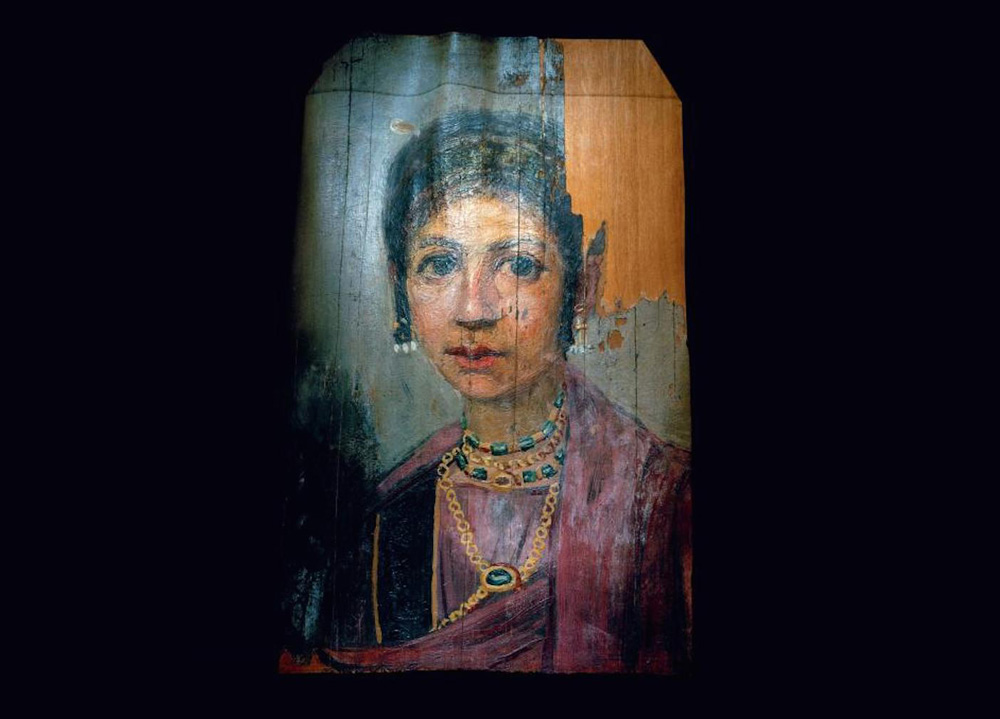
These so-called "Fayoum portraits" are in an unusually naturalistic style and are painted on wooden boards. They belong to the tradition of panel painting that was one of the most highly regarded forms of art in the Classical world. So it's not as if just anyone could afford to have their picture painted. Based on the jewelry and clothing they are wearing, you can tell that these were wealthy yet ordinary citizens of ancient Egypt. In fact, the Fayyum portraits offer quite rich insights into the jewelry, accessories, and hairstyles of the period. In some cases we can eve read their names off of the panels. This woman's name, for example, was "Eirene."

Here are more of these incredible, ancient portraits:

To-date, hundreds of these Fayoum portraits have been found and each one is incredibly unique and revealing of the appearance and personality of someone from ages ago. Many of them are exhibited in the leading museums of the world, including in the US, Europe, and of course at the Egyptian Museum in Cairo.


--   Sent from my Linux system.

Top 5 Games With Egyptian Themes


https://mp1st.com/features/top-5-games-with-egyptian-themes

5 of the Best Video Gaming Experiences With an Egyptian Theme

One of the real joys of gaming is that it gives you a break from reality and immerses you in a whole different world for a few hours. There are no limits to what gaming can cover and this means that titles can be set around all kinds of fantastical environments.

The incredible history and mythology of a country like Egypt means it is the perfect setting for a video game and this has been proven on countless occasions down the years. In this article, we are going to take a look at five great games which have taken their inspiration from the country.

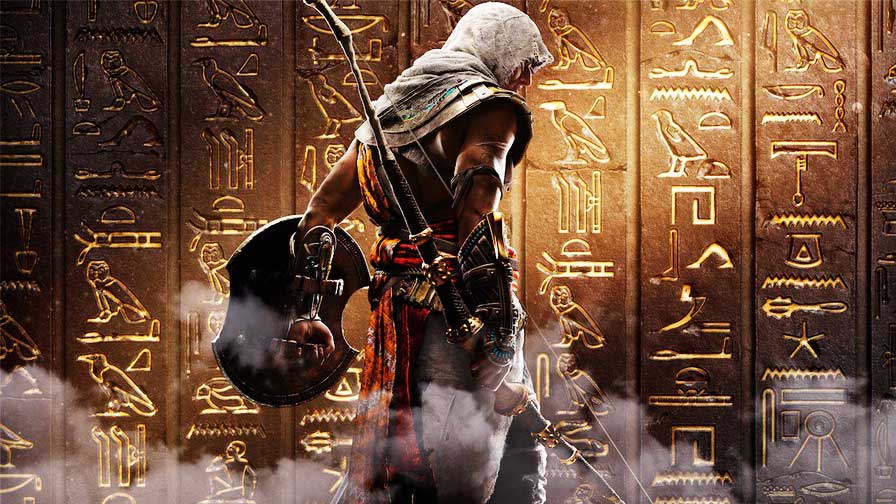
Assassin's Creed Origins

Released towards the end of last year, Assassin's Creed Origins saw gamers transported back to ancient Egypt to explore the birth of the conflict between the Brotherhood of Assassins and the Order of the Ancients.

As if to underline the game's historical credentials, an educational mode even put the action to one side and allowed players to learn more about life in ancient Egypt and how Ubisoft recreated it for the game.

Cleopatra

With the general mechanics behind online slot games often being fairly similar, it is important for such titles to have strong themes to make them stand out. Often this means that developers turn to history, myths and legends for a little bit of inspiration.

Available on Buzz Bingo, the Cleopatra online slot uses atmospheric audio and stylish visuals featuring imagery synonymous with the period to create a strong ancient Egyptian theme.

Call of Duty WWII

While our first two games went right back in time for their inspiration, the Call of Duty series visited Egypt during the Second World War. The likes of the Sphinx and the pyramids made an appearance in downloadable content which was made available for Call of Duty WWII earlier this year.

Marking the first time Call of Duty has ventured to northern Africa, it will be fascinated to see if future games also make a visit.

Overwatch

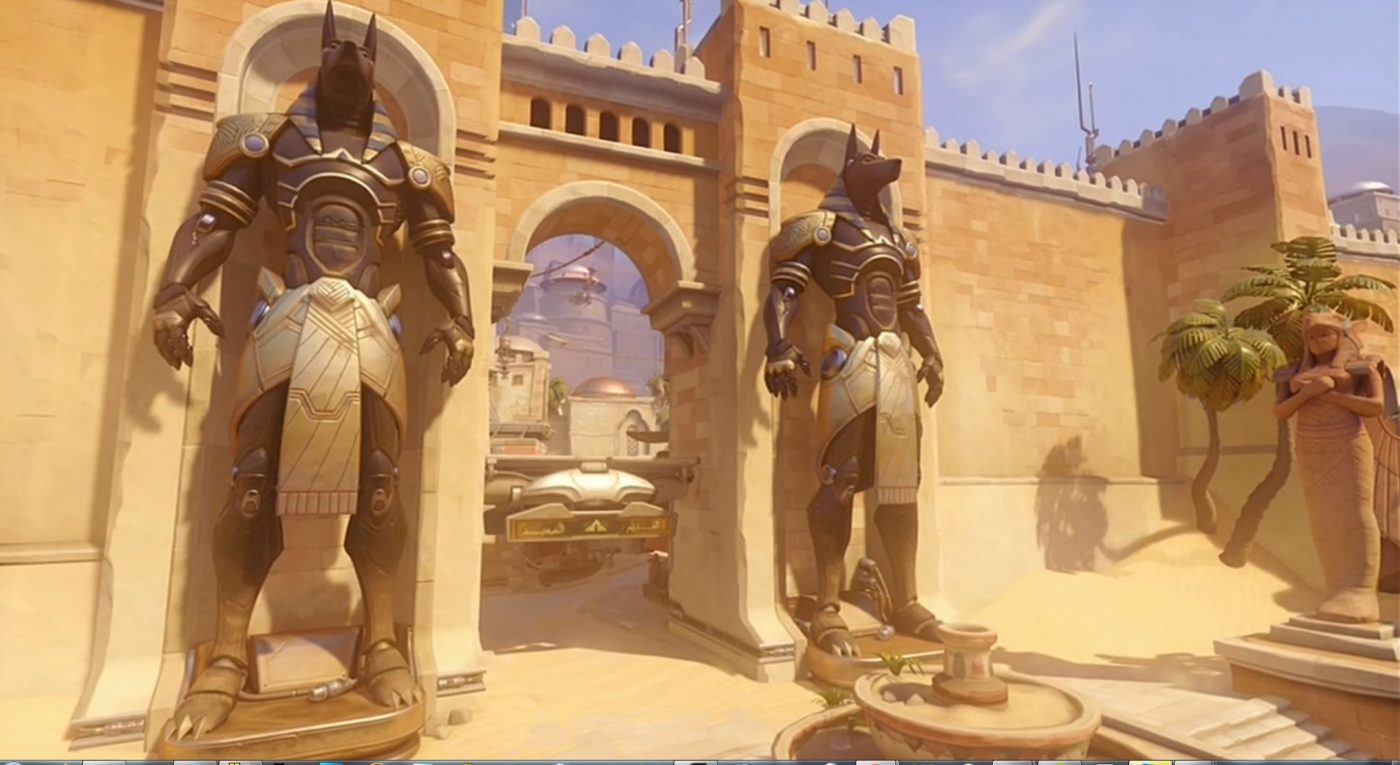
The hit first-person shooter Overwatch is another hugely popular title which has taken a trip to Egypt. Blizzard Entertainment's title used the country as the inspiration for its Temple of Anubis assault map, which is set on the outskirts of Cairo.

In the game, the area hides the entrance to a mysterious research facility which is located deep underground.

Tomb Raider

If a location has become synonymous with rich history and legend, you can be assured that Lara Croft will have paid a visit. One of gaming's true icons, Lara has visited the country on numerous occasions, including during her debut adventure released all the way back in 1996.

As you would expect, her time in the country is spent solving mysteries and puzzles while securing a range of exciting artefacts.

A Classic Setting

Egypt is a truly fascinating country with a rich history so it makes perfect sense that it has been a hit with developers through the years. While these five games deserve a special mention, we look forward to many more adventures which explore this classic setting.

--   Sent from my Linux system.

Garstang Museum closes public opening hours: how are museums moving towards the future of History? – The Oxford Student


https://www.oxfordstudent.com/2018/10/28/garstang-museum-opening-hours/

Garstang Museum closes public opening hours: how are museums moving towards the future of History?

Art Art & Lit Literature

Image Credit: Dezalb. Description: a tablet engraved with Egyptian hieroglyphs.

Museums are a fantastic resource for many subjects. In Oxford, for instance, there is the Ashmolean Museum of Art and Archaeology, the Oxford University Museum of Natural History (OUMNH), and the Museum of the History of Science, to name but a few. These places house precious collections, such as the only dodo soft tissue remains (OUMNH) and the largest collection of pre-dynastic Egyptian material outside of Egypt (the Ashmolean). The role of such institutions in the preservation of history for its own sake is clear, but that is not their only purpose. They are also places of education. While their collections contain some material that may be specialist, most of what is on display can be appreciated by anyone. 

Museums are also an excellent teaching resource. My earth and biological sciences colleagues had the opportunity to apply knowledge from their respective courses while working at OUMNH. Museum classes form an integral part of the Egyptology and ancient Near Eastern studies courses. And, when I was in Liverpool, I was able to use the collection in the Garstang Museum of Archaeology for my own research. This was an invaluable complement to my training in the Ashmolean and helped to form me into an independent researcher. 

Recently, changes have been introduced at the Garstang. In the week beginning 1st October, one of the other museums affiliated with the University of Liverpool, the Victoria Gallery and Museum (VG&M), announced over social media that the Garstang would be ending its public opening hours and would, commencing the week beginning 8th October, only accept visitors by appointment. This was an unexpected change, as the Garstang had in February 2018 extended its opening hours from one day per week to two, with a positive accompanying statement by the University of Liverpool Museums and Galleries manager. The museum will also be gaining a new collections manager to complement the change in arrangements for visitors.

… a letter expressing the response of the Egyptological community was circulated around the world and many notable members of the discipline have signed it.

The changes and the pace with which they happened resulted in something of a social media blackout from the Garstang, but its online presence has returned to normal in the fortnight following the announcement. 

The changes seem to have been introduced for a variety of reasons, having been initiated by senior university staff rather than those in the museum. One of the main reasons is the need to better align the departmental and museum staff's approaches to the collection. 

The announcement was received negatively by many groups, including: current students; alumni; sector professionals at higher education institutions and museums across the globe; and members of the public. Meanwhile, a letter expressing the response of the Egyptological community was circulated around the world and many notable members of the discipline have signed it.

The strength of the reaction has been unprecedented, as there was a significant response from both the VG&M and the Garstang in the days following the original post, including a new page on the University of Liverpool website to explain the reasons for the changes. The comparison of visitor numbers for the periods February-June 2017 and 2018 shows that there has been a reduction, but this does also coincide with the move of the extremely successful Book of the Dead exhibition from the Garstang to the VG&M and the opening of the MeroĆ« head of Augustus exhibition there too. The updated Garstang Museum web page states that it still welcomes members of the public, but the details remain somewhat ambiguous. 

… the new collections manager is not a specialist, making it unclear precisely which direction the museum's aims will now take.

A senior member of staff has also expressed that the changes will improve access to the collection for teaching and research from two days per week to five. While it is too soon after the announcement to understand what effect the changes have had on teaching and research, in the past I and other researchers at the University of Liverpool have been able to arrange visits to the Garstang on any day of the week. It will be interesting to see whether this remains the case or whether a schedule is established around current teaching hours. 

The Garstang and VG&M are also emphasising that many specialist museums are open by appointment only. I, personally, had never considered the Garstang to be as specialised as some of the examples that are given on the explanatory web page. While I have had a brief but varied career in the heritage sector I am, however, first and foremost an Egyptologist and so may have a skewed perspective on what constitutes 'specialist'. Additionally, the new collections manager is not a specialist, making it unclear precisely which direction the museum's aims will now take. 

In summary, the changes in the Garstang Museum of Archaeology are currently causing significant conversation in other museums and departments and on social media. It seems to be generally felt that they will have negative effects on both research access and public outreach, both of which are essential components of being a Russell Group university. However, as the announcement was made so recently, we can realistically do little more than wait for further developments and see what impact that the changes actually have.

--   Sent from my Linux system.
Sunday, October 28, 2018

End of Season 2018 | South Asasif Conservation Project Blog


https://southasasif.wordpress.com/2018/10/28/end-of-season-2018/

End of Season 2018

  1. Our excavation team made a heroic effort to finish clearing the superstructure of the tomb of Karabasken by the end of the extended 2018 season. The work was conducted under the supervision of Marion Brew and Reis Mohamed Ali. They were assisted by Katherine Bateman, Marcus Wallas and a team of our wonderful workmen.

Fig.1

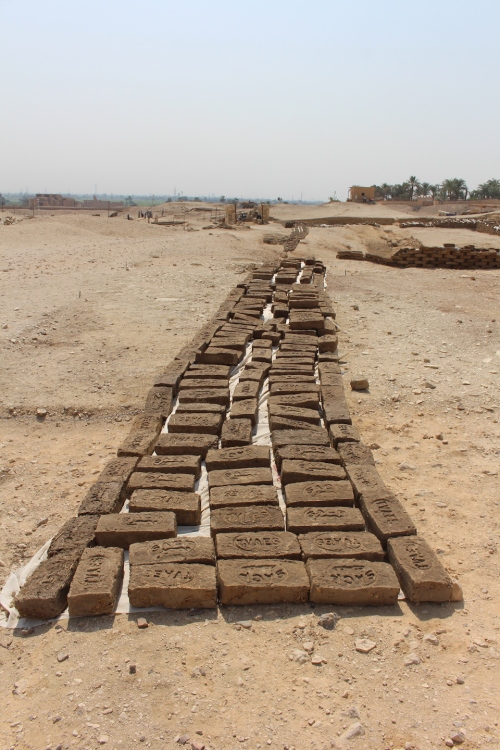
The ancient bricks of the superstructure were temporarily covered with cotton fabric and new stamped mud bricks made by the Project. More permanent protection and reconstruction of the superstructure will be executed next season after it is recorded by the architect of the Project, Dieter Eigner.

Fig.2

We are grateful to the ASA Restoration Project and personally to Anthony Browder and Darren McKnight for the extension of the season and to TVAES for its support of the mud brick protection project.


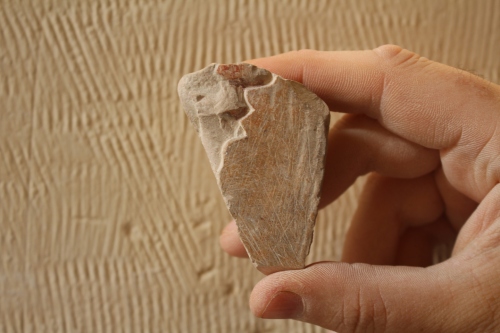
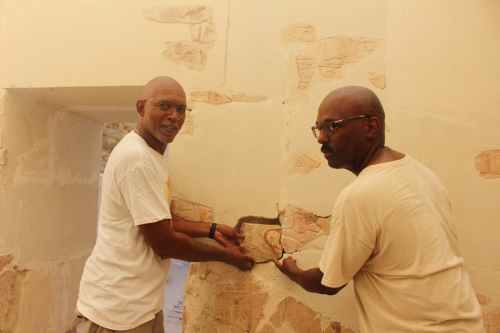
  1. A few last moment joins were identified by Ken Griffin and added to the walls of the Second Pillared Hall. A small fragment with the outlines of lips and a nose joined with the figure of the goddess Maat leading Karakhamun to the realm of Osiris on the thickness of the entrance to the Second Pillared hall. Mohamed Shebib and Ken Griffin are celebrating the resurrection of the divine face.

Fig.3Fig.4

Anthony Browder and Darren McKnight are triumphantly installing the back shoulder of Karakhamun's brother Nesamenopet.

Fig.5


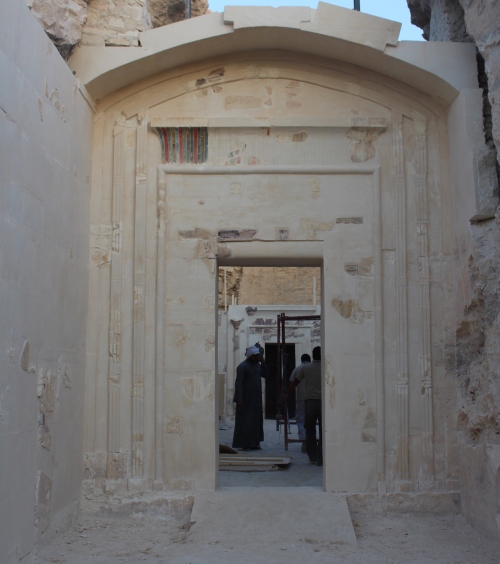
  1. Our amazing conservation team finished reconstruction of the monumental entrance to the First Pillared hall in the tomb of Karakhamun and started re-constructing the vaulted ceiling of the Tornische. The work was performed by an MoA conservation team: Abdelrazk Mohamed Ali, Ali Hassan Ibrahim, Mohamed Shebib, Taib Hassan, Abdelrahman Ahmed Ali, Taib Said, Mohamed El Azeb Hakem, Hassan Dimerdash, Tarek Mohamed Yusef, Mohamed Bedawy, Ahmed Kammel, Said Ali Hassan, Hussein Ahmed Hussein with the help and support of the Qurna inspectorate, directed by Fathy Yaseen Abd El Karim.

Fig.6

Fig.7


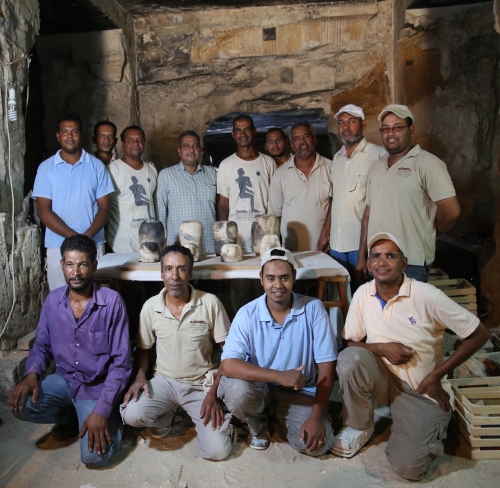
  1. Salima Ikram examined the contents of the canopic jars of Lady Amenirdis found earlier in the season and delivered the results to Marion Brew and Elena Pischikova, who look transfixed by Dr. Ikram's magical performance.

Fig.8


  1. Afaf Wahba studied three mummified bodies found in the side room (IA) in the open court of the tomb of Karabasken. She was assisted by Hayley Goddard and Marcus Wallas. Observations made by the osteologists were recorded on camera by Katherine Blakeney.

Fig.9


  1. Karakhamun is closed until the 2019 season. The Second Pillared hall is covered with a roof and the pillars of the First Pillared hall are enclosed in wooden "boxes".

Fig.10


  1. The South Asasif Conservation Project team has just finished its twelfth, and one of its most successful seasons. Congratulations and many thanks to our team members, sponsors, colleagues and friends. We are looking forward to continuing the work next year!


We would like to thank our Egyptian colleagues for their help and support during the 2018 season. Special thanks go to H.E. Dr. Khaled El-Enany, Minister of Antiquities, Dr. Moustafa Waziri, General Secretary of SCA, Dr. Mohamed Ismail, Former Director of the Foreign Missions Department, Dr. Nashwa Gaber, Director of the Foreign Missions Department, Mr. Mohamed Abd El Badia, General Director of the Center of Upper Egyptian Antiquities, Dr. Mohamed Abd El Aziz, General Director of Antiquities for Upper Egypt; Mohamed Yahia, General Director of Antiquities of the Luxor area. Mr. Fathy Yassin, General Director of Antiquities of the West Bank of Luxor; Mr. Baha, Director of Qurna Antiquities, Mr. Ramadan Ahmed Ali, General Director of the Foreign Missions Department (mission member), Mr. Ezz Elnoby, Director of the Middle Area (mission member), Mr. Ahmed Ezz, General Director of MoA storage, Ahmed Hassan, Director of MoA storage, Abd El Gawad, inspector of the MoA storage,   Mr. Ahmed Bogdady, head inspector of the Middle area, Abdel Nasser Ahmed Abd El Azim, General Director of Museums and Restoration in Upper Egypt, Bedawy Said Abdel Rahim, General Director of the Luxor Restoration Department, Mr. Ahmed Ali Hussein Ali, Director of the Conservation Department of Qurna, General Director of Conservation Department of Upper Egypt, Abu El Hassan Ahmed, general engineer of Qurna Antiquities, Inspectors Hussein Ahmed Hussein, Mohamed Khalifa Mohamed, Mahmoud Yussuf Khalifa, Ahmed Kammel, Safaa Mohamed Abd El Motey, and Conservation Inspectors Mohamed Ali, Ali Taib Mohamed, Nawal Mohamed Fawzy, and Tarek Mohamed Yusef and security guards of the Qurna area. We are very grateful to Dr. Sanna Ahmed Ali, General Director of the Museums of Upper Egypt and Samia Abdel Aziz, Asma Nubi Ragabia Atia Ala for their help in installing canopic jars in the Luxor Museum.


--   Sent from my Linux system.
and there was no one left to speak for me.

First they came for the socialists, and I did not speak out—
     Because I was not a socialist.

Then they came for the trade unionists, and I did not speak out—
     Because I was not a trade unionist.

Then they came for the Jews, and I did not speak out—
     Because I was not a Jew.

Then they came for me—and there was no one left to speak for me.

--  Martin Niemƶller (1892-1984), Lutheran Minister and early Nazi supporter
who was later imprisoned for opposing Hitler's regime

-- as quoted by the United States Holocaust Memorial Museum, Washington, DC.

--   Sent from my Linux system.
Friday, October 26, 2018

Northern Cal. ARCE Egyptology Lecture Nov. 11 by Tom Hardwick: Mrs. Goodison & Friends


The American Research Center in Egypt, Northern California Chapter, and the Near Eastern Studies Department, University of California, Berkeley, invite you to attend a lecture by
Tom Hardwick, Consulting Curator, Houston Museum of Natural Science.


Mrs. Goodison & Friends: Displaying 19th Century Egyptology

Sunday, November 11, 3 pm
Room 20 Barrows Hall
UC Berkeley Campus

(Near the intersection
of Bancroft Way
and Barrow Lane)


A photo of the exhibition "Adventures in Egypt: Mrs Goodison and Other Travellers" at the Southport UK Atkinson Museum.

About the Lecture:

The Egyptian collection of Anne Goodison, now in the The Atkinson Southport UK, is a rare survival of an intact, little studied, and largely unaltered Victorian Egyptian collection. Mrs Goodison and her husband travelled to Egypt twice, in 1886 and 1890, giving space on her dahabeya (houseboat) to the Revd. Greville Chester, an informal purchasing agent for the Ashmolean Museum, The Fitzwilliam Museum, Cambridge, and British Museum. She also corresponded with leading scholars of pharaohnic culture and language. She was part of a network of travellers, collectors, and scholars during a period when methods of collecting and studying Egyptian material were changing, moving from the amateur to the professional, the antiquarian to the aesthetic, and the private to the public.

In September 2017 the Atkinson opened an exhibition on the Goodison collection. The exhibition – the first to be dedicated exclusively to the history of collecting Egyptian objects – aims to show the context in which her collection was formed, and set it alongside pieces from contemporary collections and excavations. It brings together loans of objects and documentation from the UK and worldwide, and reunites objects that were dispersed by sale or division of archaeological finds over a hundred years ago.

-- From the Netherlands-Flemish Institute in Cairo Facebook site.

 About the Speaker:

Image may contain: 2 people
Tom Hardwick is Consulting Curator of the Hall of Ancient Egypt at the Houston Museum of Natural Science.  He studied Egyptology as an undergraduate and postgraduate at the University of Oxford. He has worked as Keeper of Egyptology at Bolton Museum in the UK, as a researcher in the Wilbour Library of Egyptology in Brooklyn Museum, and as an Egyptologist in the Grand Egyptian Museum, Cairo, where he now lives. Tom is a specialist in Egyptian art, the history of collecting, and in the forgery of works of art

-- From the Houston Museum of Natural Science website.


----------
Parking is available in U.C. lots after 5 p.m. on weekdays and all day on weekends for a fee. Ticket dispensing machines accept either $5 bills or $1 bills, and debit or credit cards. The Underhill lot can be entered from Channing way off College Avenue. Parking is also available in lots along Bancroft, and on the circle drive in front of the Valley Life Sciences building.

A map of the campus is available online at http://www.berkeley.edu/map/
For more information about Egyptology events, go to http://www.facebook.com/NorthernCaliforniaARCE or https://www.arce-nc.org.

Jebel Moya: new excavations at the largest pastoral burial cemetery in sub-Saharan Africa


https://www.cambridge.org/core/journals/antiquity/article/jebel-moya-new-excavations-at-the-largest-pastoral-burial-cemetery-in-subsaharan-africa/AB41DACA163A0D621B86367087DB6CA1/core-reader#

Jebel Moya: new excavations at the largest pastoral burial cemetery in sub-Saharan Africa

Abstract

New excavations at the Jebel Moya cemetery in Sudan reveal extensive evidence for Meroitic-era occupation, providing valuable data on contemporaneous diet, migration, exchange and population composition in sub-Saharan Africa.

Jebel Moya is the largest-known pastoral cemetery in sub-Saharan Africa. Located 240km south-south-east of Khartoum, Sudan, it was excavated from 1911–1914 by Henry Wellcome, the founder of the Wellcome Trust. It is a multi-phase site with deposits dating back to c. 5000 BC. At 10ha in size and having yielded more than 3100 human burials, Jebel Moya provides scope for exploring the interactions between local pastoral and external traditions on the southern boundary of the contemporaneous Meroitic state, outside of direct Meroitic political control (Brass 2015, 2016). In October 2017, the University College London-University of Khartoum-National Corporation for Antiquities and Museums expedition to southern Gezira undertook new excavations. A key aim was to perform modern, targeted sampling and recording, and archaeobotanical, artefactual, archaeozoological and osteoarchaeological analyses—including ancient DNA (aDNA), isotopes and AMS dating.

Five trenches were excavated to sample surviving archaeological deposits systematically (Figure 1). Trenches 1, 2 and 4 were excavated in 100mm spits and the stratigraphy recorded. Each spit was sampled for archaeobotanical remains. Trench 3 targeted the excavation of an eroding burial (see below).

Figure 1 View towards the south-west, indicating the locations of trenches 1, 2 and 3 (courtesy of NCAM).

Trench 1

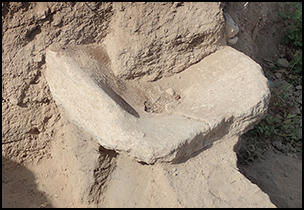
Measuring 2×2m, trench 1 was placed on the western side of the valley, and was excavated to a depth of 0.9m (Figure 2). Finds included Meroitic-era ceramics and animal bones, and a horizon of scattered stones (including one quern).

Figure 2 Trench 1 stratigraphy, 0.5m scale; the trowel points north (courtesy of NCAM).

Trench 2

Measuring 2×2.5m (Figure 3), trench 2 was situated near an eroded gully that shows considerable stratigraphic depth. The gully has Late Mesolithic ceramics at the base, followed by Neolithic and subsequently Meroitic-era pottery in reverse order. This was the deepest trench excavated to approximately 1.5m, with Meroitic-era and Neolithic layers. It was one of the richest in charcoal (recovered through flotation) and finds of all types. Sediment samples for phytoliths were also taken. Apart from a quern, lithics, animal finds and abundant pottery, the finds included a clay (probably a goat) figurine (Figure 4) recovered from below a depth of 1m. Subject to further investigation, the clay figurine dates to either the early Meroitic era or the preceding Neolithic.

Figure 3 Trench 2 stratigraphy, 0.5m scale; the trowel points north (courtesy of NCAM).

Figure 4 Views of clay figurine, probably depicting a goat, from trench 2 (courtesy of NCAM).

Trench 3

Trench 3 was situated around a partially exposed burial eroding out of a slope (Figure 5). It contained a probable female aged 25–35 years; the individual was supine, facing right, with the hands placed between the legs. No pathological changes were observed. The dentition was complete, except for ante-mortem loss of the lower-central incisors. Dental attrition was minimal, although advanced labial attrition and surface polishing of the extant incisors could indicate the use of the teeth as a tool. Calculus deposits were observed, mostly on the premolars and molars, and carious lesions affected the right maxillary canine and first premolar. Samples were collected for isotope, radiocarbon and aDNA analyses.

Figure 5 Trench 3 after surface cleaning, with eroding north-west-oriented burial on slope (courtesy of NCAM).

Trench 4

Trench 4 was placed near the eastern edge of the site on the southern side of an erosional gully, which had exposed bones (animal) and a large quern, which was later excavated (Figure 6). The trench's sediments contained abundant ceramics and charcoal, as well as beads and lithics. Sediment samples for phytoliths were taken from both the natural strata and a possible residue on the quern surface.

Figure 6 Trench 4, east-facing section at the end of the excavations, including a massive quern (courtesy of NCAM).

Trench 5

Two metres to the west of trench 1 is a stone-ringed tumulus. A 2×2m trench encompassed a corner of this tumulus and was deepened to the first compacted surface. No below-ground features or cuts were exposed to confirm this as a burial mound. Current interpretation is that the mound was built on the ground's surface, after the formation of the compacted surface had begun. A ring of stones was then placed around the mound.

Flotation and wet‐sieving programme

Systematic flotation was performed on 40 samples using a washover bucket method through a 250 micron mesh. This yielded charcoal, seed and fruit remains. They are being analysed at UCL's archaeobotany laboratory.

Conclusion

This is the first time that occupational units at Jebel Moya have been properly excavated and documented. The scarcity of African pastoral burial complexes and the size of Jebel Moya make this a very valuable archaeological resource. Jebel Moya offers valuable information on diet, landscape movements, exchange and population composition.

Acknowledgements

We wish to thank the Society for Libyan Studies for its generous grant for the research and the 2017 field season. The archaeobotanical and bioarchaeological analyses were funded by the European Research Council (grant 323842) and the European Union's Horizon 2020 research and innovation programme under the Marie Skłodowska-Curie (grant agreement 665778), respectively. We are also grateful to Andy Bevan, Sue Hamilton, Kevin MacDonald, Scott MacEachern and Isabelle Vella Gregory for their expertise and support, as well as the British Museum and NCAM.

References

Brass, M. 2015. Interactions and pastoralism along the southern and southeastern frontiers of the Meroitic state, Sudan. Journal of World Prehistory 28: 134. https://doi.org/10.1007/s10963-015-9089-1 CrossRef | Google Scholar | PubMed
Brass, M. 2016. Reinterpreting chronology and society at the mortuary complex of Jebel Moya (Sudan) (Cambridge Monographs in African Archaeology 92). Oxford: Archaeopress. Google Scholar
--   Sent from my Linux system.

More than 4000 tourists arrive at Egypt during the last 24 hours - Egypt Today


http://www.egypttoday.com/Article/9/59517/More-than-4000-tourists-arrive-at-Egypt-during-the-last
Cairo International Airport witnessed during the last 24        hours the arrival of 4072 Arab and European tourists to visit the        touristic and archaeological sites in Egypt - Photo complied by        Egypt Today. Cairo International Airport witnessed during the last 24 hours the arrival of 4072 Arab and European tourists to visit the touristic and archaeological sites in Egypt - Photo complied by Egypt Today.

More than 4000 tourists arrive at Egypt during the last 24 hours

Fri, Oct. 26, 2018

CAIRO - 26 October 2017: Cairo International Airport witnessed during the last 24 hours the arrival of 4072 Arab and European tourists to visit the touristic and archaeological sites in Cairo and the different Egyptian governorates like Sharm El Sheikh, Hurghada, Luxor, Aswan and Alexandria.

The airport witnessed the arrival of 162 international and domestic flights carrying tourists from different nationalities such as United States, China, Russia, Britain, Austria, Norway, Indonesia, Taiwan, Japan, as well as Arab groups from Saudi Arabia, UAE, Bahrain, Kuwait and Morocco.

The world's biggest travel publisher, Lonely Planet, named Egypt the most valuable destination of 2019 on Wednesday, Oct. 24.

The website specified Southern Nile Valley, as one of Egypt's best places to travel to, stressing that its near-incomparable historical itinerary represents a superb deal for travelers in 2019.

"Egypt's Southern Nile Valley is the flag-bearer for the country's return to travel's super league, and its near-incomparable historical itinerary represents a superb deal for travelers in 2019. For starters, world-class ancient sites hugging the Nile south from Luxor to Aswan are accessible for a few dollars," Lonely Planet stated on its website.

The publisher added, "If you're on a cruise, food and land transport will be included; otherwise, it's easy to make inexpensive arrangements for all but a handful of big-ticket temples and tombs, which are more than worth the admission price themselves."

In September, Egypt ranked first among the most visited tourist destinations in Africa by Chinese tourists, according to the Chinese tourists network.

In its report, the network said that Egypt was followed by Mauritius, Kenya, South Africa and Tunisia as the most popular tourist destinations visited by Chinese holidaymakers in Africa.

Also, Egypt has been announced as the fastest growing tourist destination in terms of year-on-year percentage increase of visitors, according to the United Nations World Tourism Organization (UNWTO)'s 2018 release on global travel and tourism.

The annual report showed that Egypt welcomed about 8.5 million tourists during 2017 with a 55.1 percent increase, compared to the same period of 2016.

Luxor and Giza were on top of Egypt's most famous and well-known cities for tourists' choice, according to the report.
--   Sent from my Linux system.
For the first time: Chinese mission will start its work in Luxor. - Egypt Today


http://www.egypttoday.com/Article/4/59521/For-the-first-time-Chinese-mission-will-start-its-work

Antiquities Minister Khaled Anani received Thursday at Luxor        Temple visiting Chinese Vice President Wang Qishan and president        of the Saudi Commission for Tourism and National Heritage Prince        Sultan bin Salman Al Saud - A photo complied by Egypt Today.
Antiquities Minister Khaled Anani received Thursday at Luxor Temple visiting Chinese Vice President Wang Qishan and president of the Saudi Commission for Tourism and National Heritage Prince Sultan bin Salman Al Saud - A photo complied by Egypt Today.

For the first time: Chinese mission will start its work in Luxor.

Fri, Oct. 26, 2018

CAIRO - 26 October 2018: Antiquities Minister Khaled Anani received Thursday at Luxor Temple visiting Chinese Vice President Wang Qishan and president of the Saudi Commission for Tourism and National Heritage Prince Sultan bin Salman Al Saud.

Wang expressed his admiration of the Pharaonic monuments, and pointed that his visit coincided with the initiation of work by the first Chinese archaeologist delegation in Egypt.

An MoU between Egypt and China on boosting cooperation in archaeology and antiquities and preserving and protecting national heritage is expected to be signed on Saturday.


The Chinese vice president began his visit to Luxor landmarks by listening to a detailed explanation of the historic Karnak temple. During his visit Qishan praised the greatness of ancient Egyptian civilization throughout history, The Chinese vice president who visited the Temple of Luxor was keen to take pictures inside the temples of Karnak and Luxor.

Anany recounted during the visit that Egypt is carrying out a huge project of revitalization the Pharaonic Kebbash Road, as the project will bring the great road to life again. Its new design is set to change Luxor's position on the touristic map, as it will become the longest gangway and open museum in the world.

It is expected that the new makeover of Kebbash Road will attract tourists from all over the world over and play a vital role in pushing the Egyptian tourism sector forward.

Anany announced that for the first time, a Chinese archaeological mission will start its work in the archaeological areas of Luxor.


In Ancient Egypt, Kebbash Road connected the Karnak Temple Complex with the Luxor Temple.

In the meantime, Anan received Prince Sultan bin Salman Al Saud, and accompanied him on a tour inside the temple.

Wang and Prince Sultan met with Egyptian archaeologist and Egyptologist Zahi Hawass, where the later gave explanations to them on the ancient Egyptian civilization.


--   Sent from my Linux system.