| ||||||||||
Wednesday, November 4, 2020
Monthly Updates from ARCE


Monday, November 2, 2020
Photo tour: With a LEone billion makeover, Egypt reopens 3 museums to the public in different governorates - Egypt Independent
Archaeology
Photo tour: With a LEone billion makeover, Egypt reopens 3 museums to the public in different governorates


Egyptian President Abdel Fattah al-Sisi on Saturday opened three museums which had ceased work since 2011 at a total cost of LE one billion, Minister of Antiquities Khaled Anany announced.
These include the Sharm el-Sheikh Museum, the Kafr al-Sheikh Museum, and Cairo's Royal Vehicles Museum.
During the inauguration of King Salman International University and several projects in Sharm al-Sheikh, Sisi opened the Sharm al-Sheikh's museum at a cost of LE812 million, after construction began in 2003 and stopped in 2011.
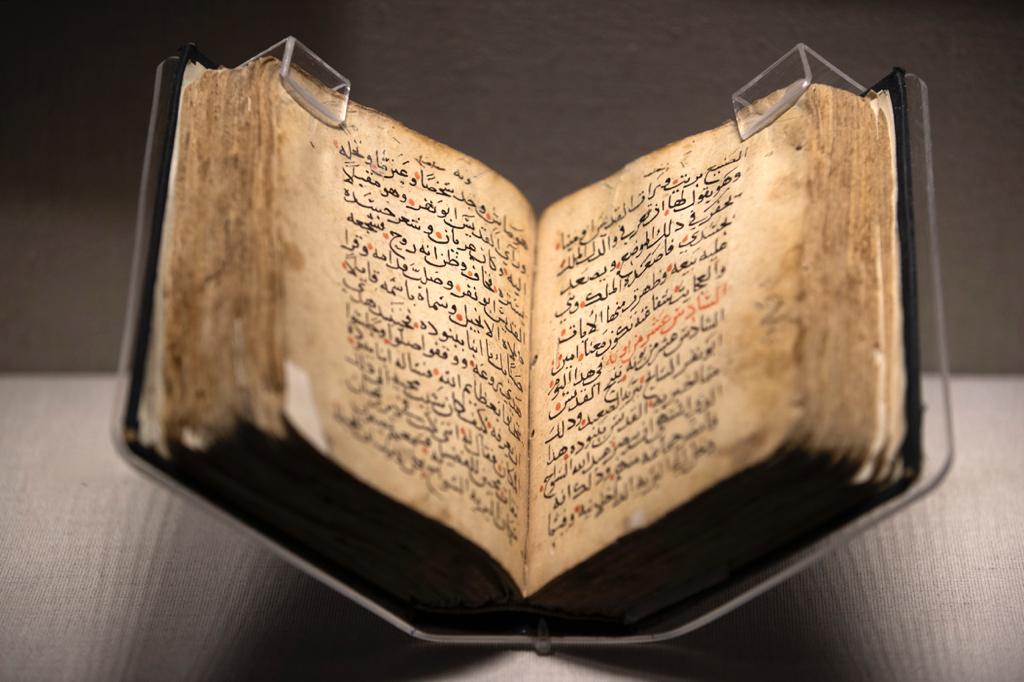
He also inaugurated the Kafr al-Sheikh museum at a cost of LE63 million, first constructed in 2002, Anany added.
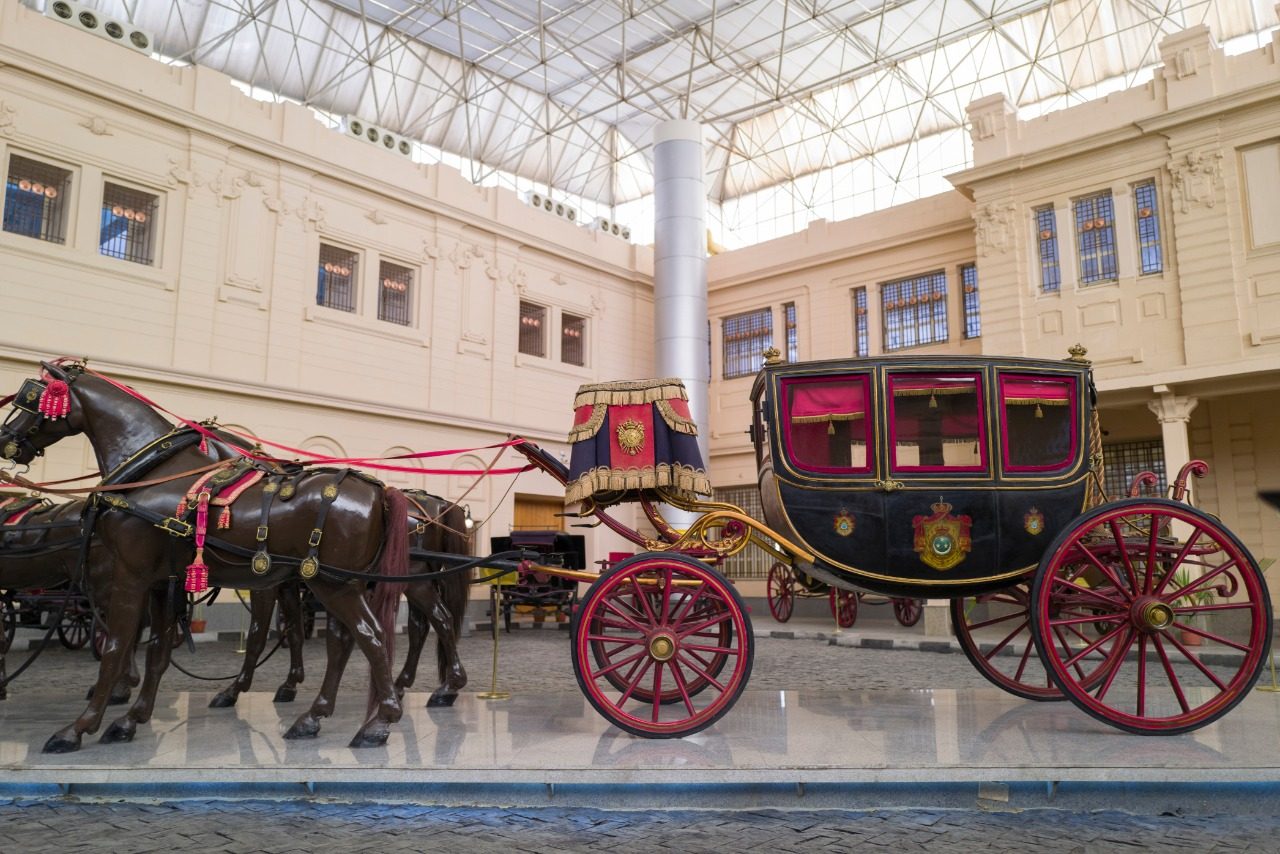
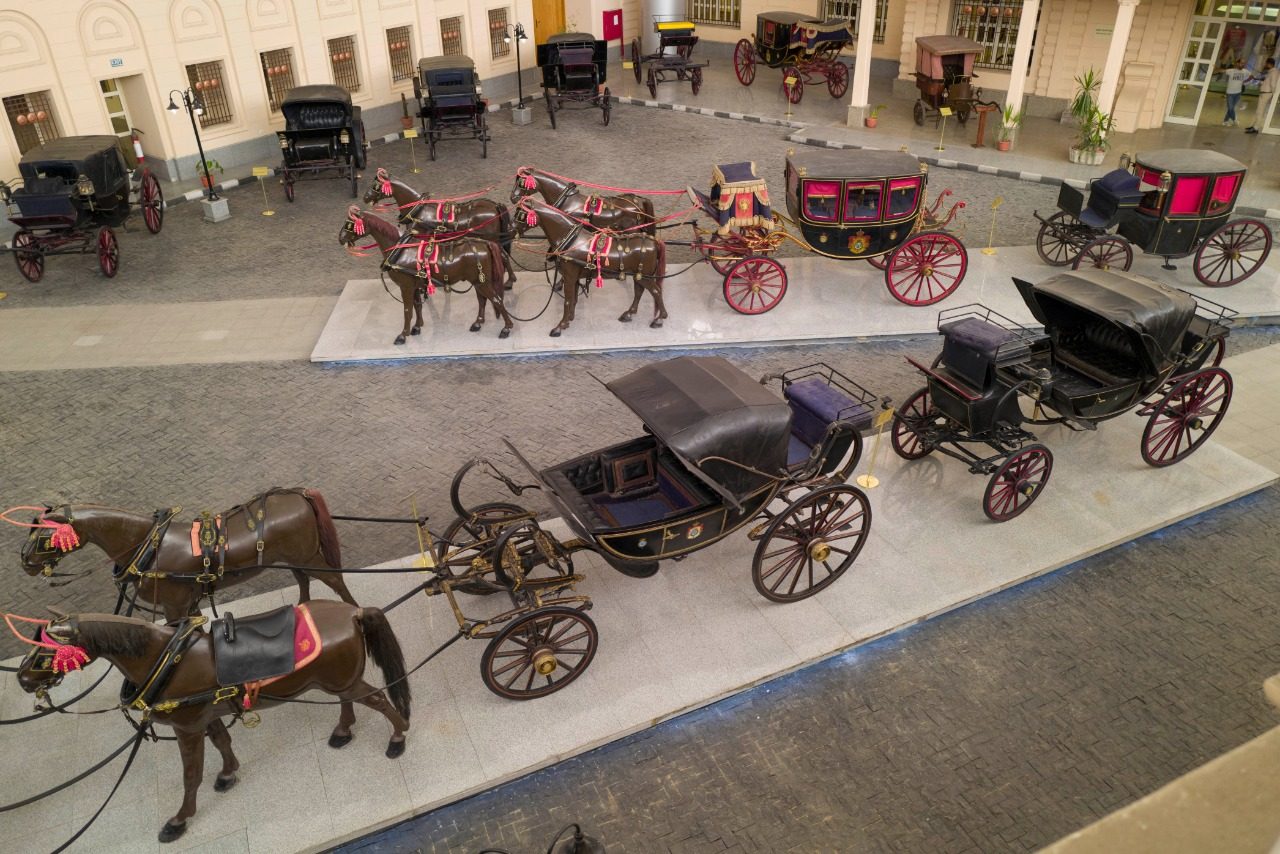
And the Royal Vehicles Museum, which started in 2002, was inaugurated at a cost of LE62 million.
The three museums resumed operation after Prime Minister Mostafa Madbouly asked to grant priority towards maintaining archaeological sites, and developing major and regional museums.
Egypt is eager on creating tourist attraction areas and increasing awareness of Egyptian civilization among the nation's own youth, Anany stated.
He explained that the government has opened 17 new and old museums since 2014, including the Museum of Islamic Art in Cairo, the Mallawi Museum in Minya, the Kom Oshim Museum in Fayoum, and the temporary exhibition hall of the National Museum of Egyptian Civilization in Fustat.
Development of the National Museum of Egyptian Civilization will also be completed by the end of this year, receiving 22 royal mummies from the Grand Egyptian Museum.
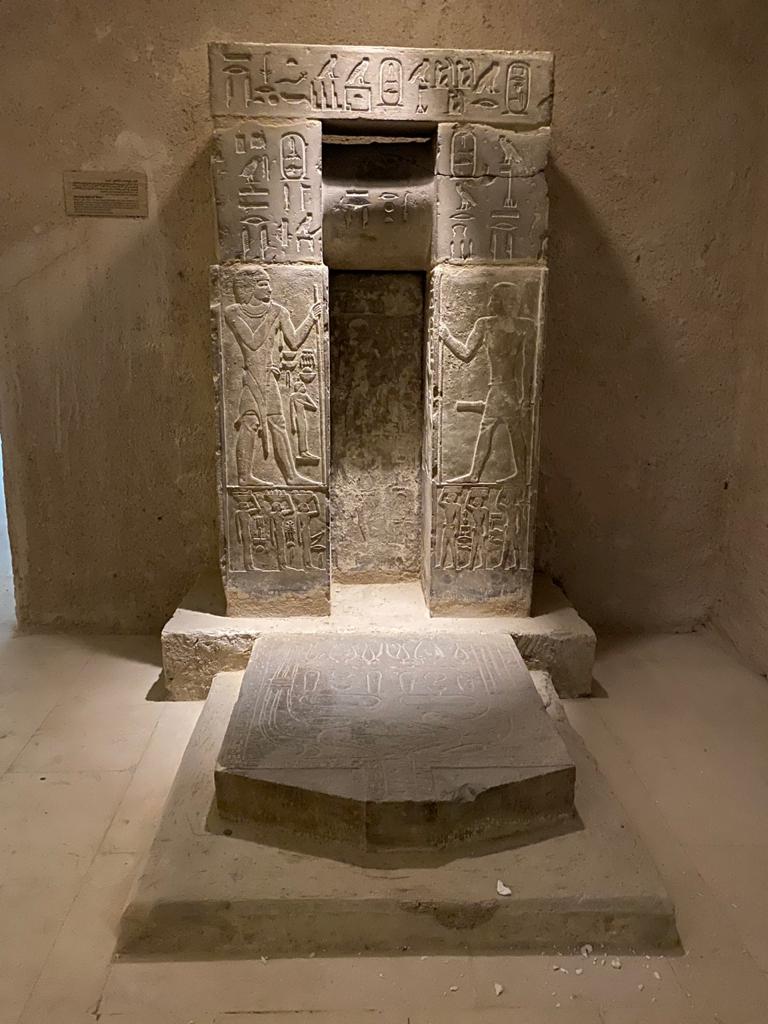
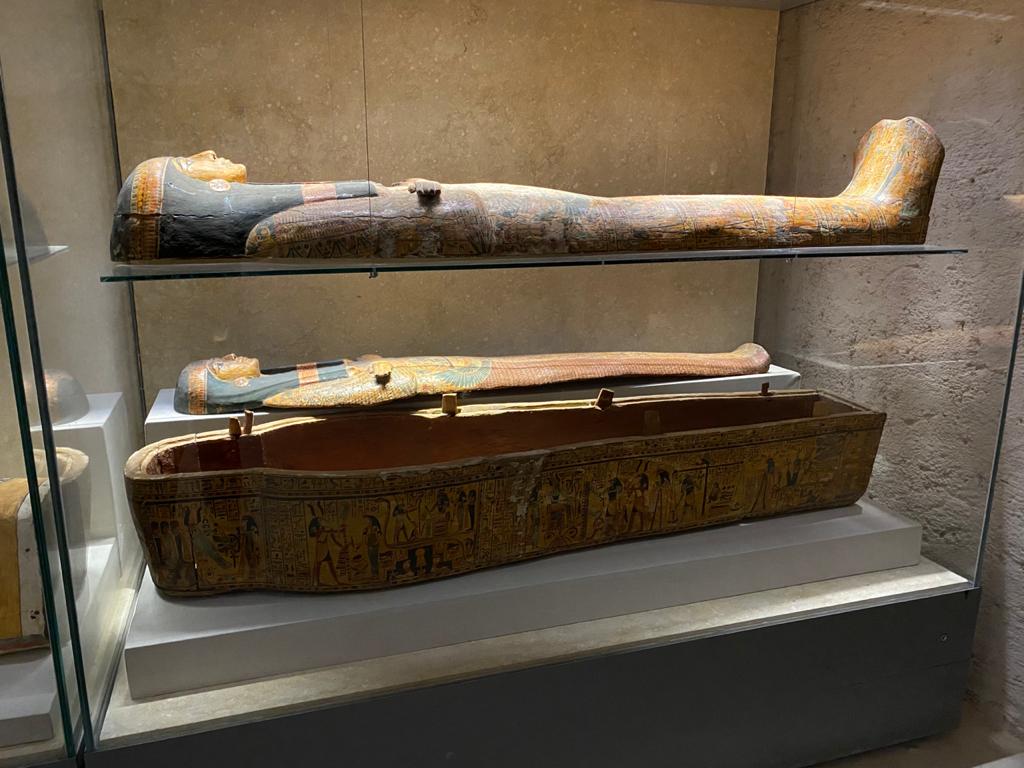
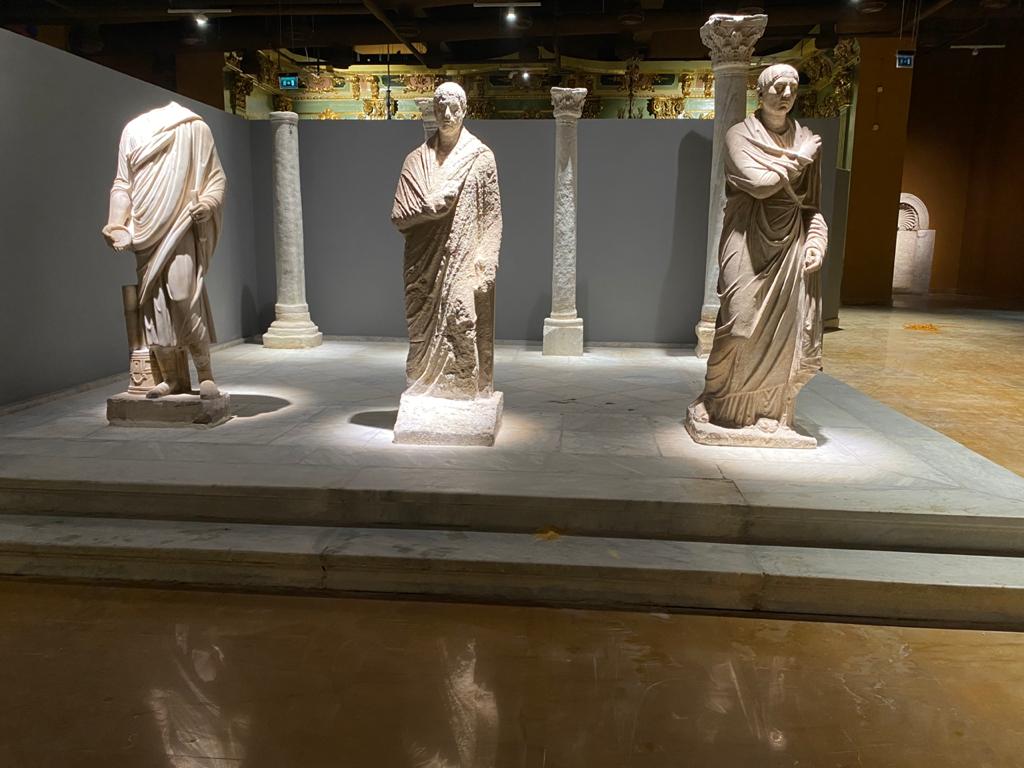
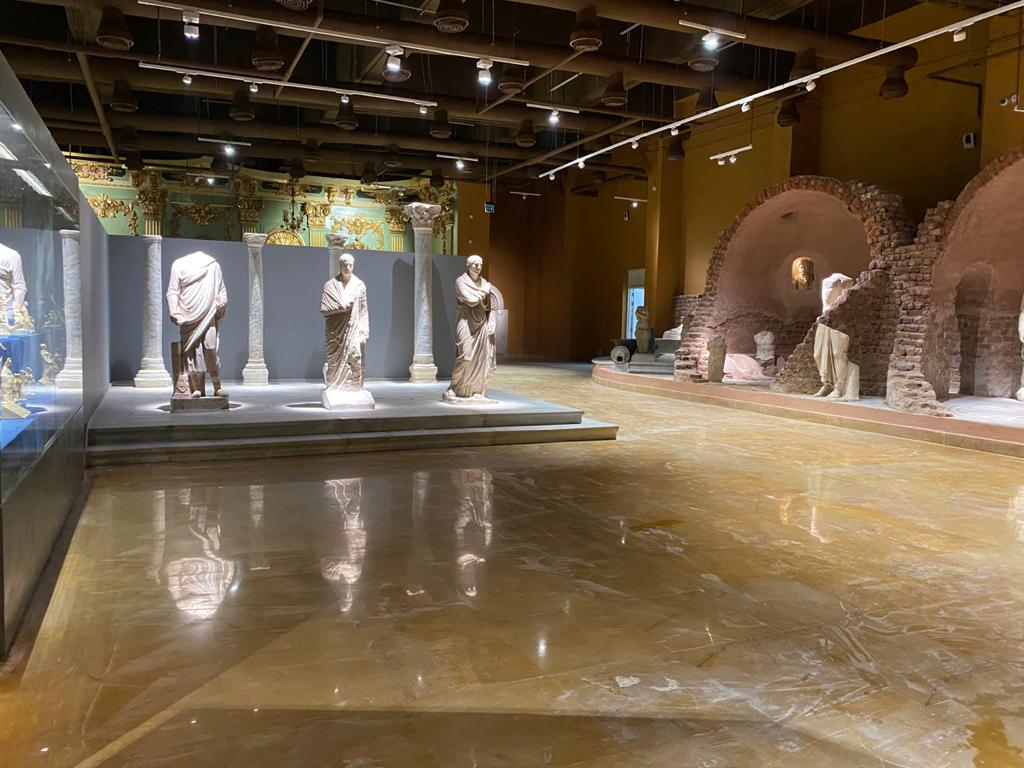
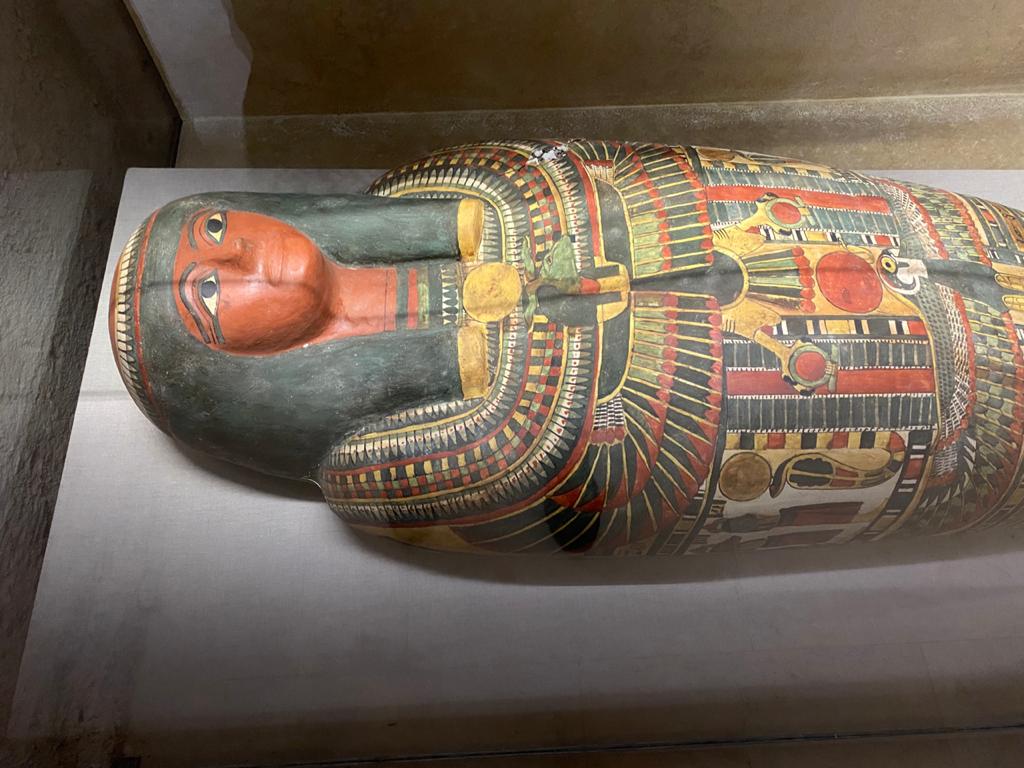
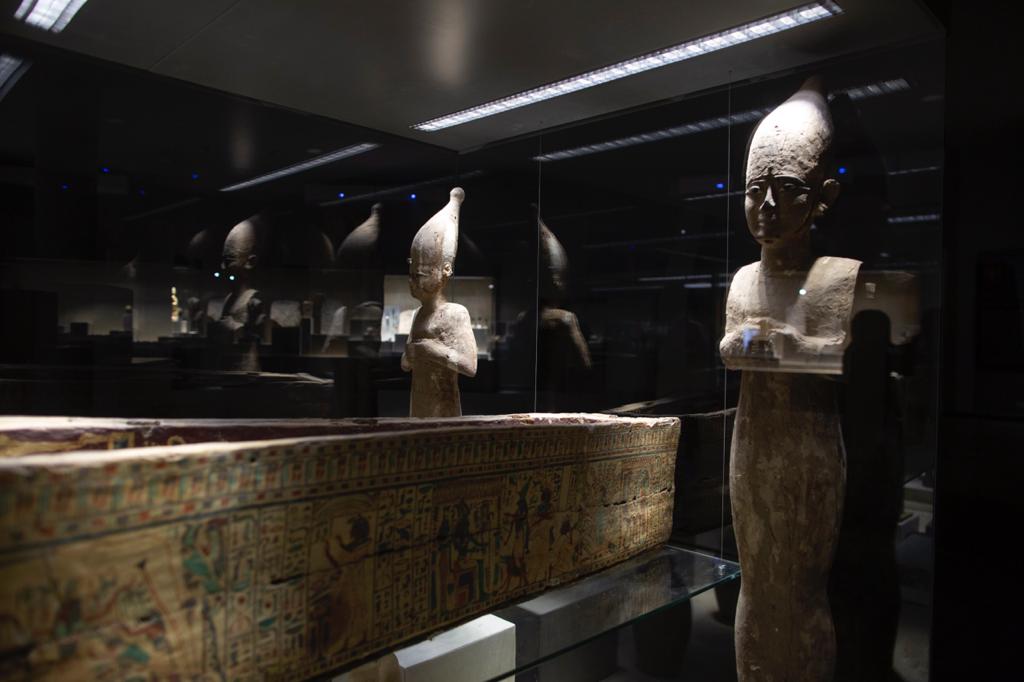
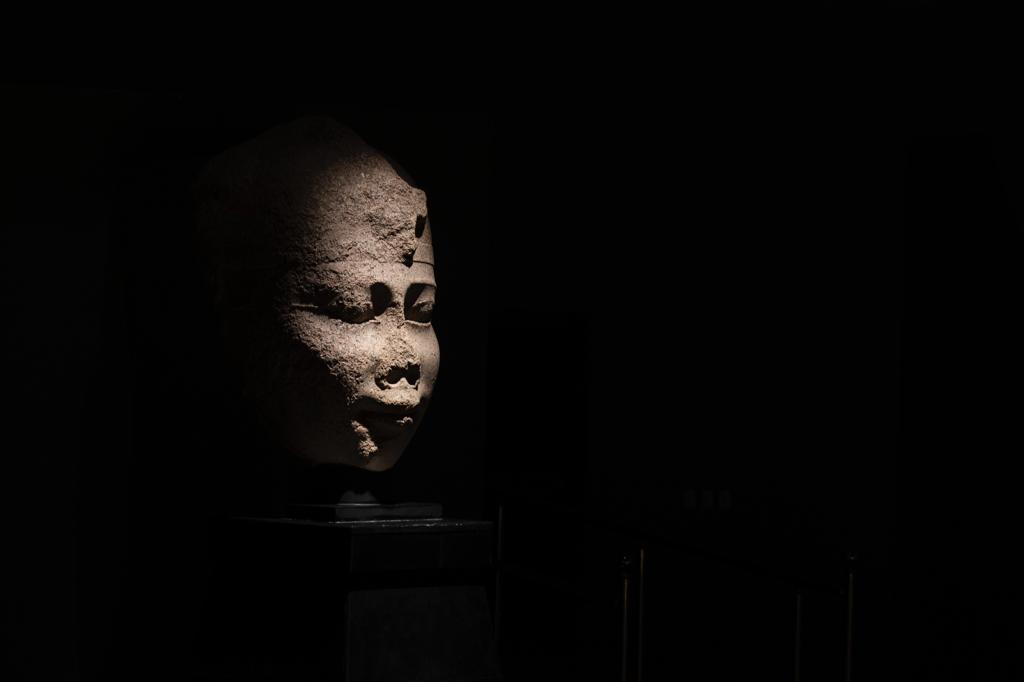
Sharm el-Sheikh Museum includes the main hall containing 5,200 artifacts showing the daily life of the first classes of society, mummies of animals, and two large boats showing ancient Egyptian knowledge of aquatic transportation.
Anany also displayed a presentation on the Royal Vehicles Museum, which houses vehicles dating back to the era of Khedive Ismail, who ruled Egypt between 1863 and 1879.
The Sharm el-Sheikh Museum:



The Kafr al-Sheikh Museum:

The Royal Vehicles Museum:
-- Sent from my Linux system.
Sunday, November 1, 2020
Register for ARCE-NC Egyptology lecture November 15: NYU-Princeton North Abydos Expedition 2018-2020
 The American Research Center in Egypt, Northern California Chapter, and the Near Eastern Studies Department, University of California, Berkeley, invite you to attend a virtual lecture by Dr. Deborah Vischak, Princeton University: The NYU-Princeton North Abydos Expedition 2018-2020 Seasons Zoom Lecture. A registration link is automatically sent to ARCE-NC members. Others may request a registration link by sending email with your name and email address to arcencZoom@gmail.com. Attendance is limited, so non-members, please send any registration requests by November 11. About the Lecture:  North Abydos excavation. (Photo courtesy of Deborah Vischak) Beginning in 2018, the newly joint Princeton-NYU North Abydos Expedition undertook a major new research initiative at the northern edge of the concession, excavating a cemetery site that was used from the early Old Kingdom (c. 2600 BCE) through the New Kingdom. The first phase of the cemetery consists of mudbrick mastabas that represent the first evidence of building by the non-royal local community since Abydos had become the royal cemetery around 3000 BCE. The mastabas were built atop a brewery installation from the Early Dynastic period, most likely associated with the royal building activity elsewhere at the site. This new material represents rare examples from these time periods and will help to develop our understanding of the transition from the Early Dynastic period to the Old Kingdom in Abydos. The Expedition is also continuing work on the preservation of the Shunet el-Zebib, the only standing royal enclosure from the Early Dynastic Period, and a new conservation project focused on the Ramses II portal temple has recently begun. These projects are a crucially important part of the Expedition's work and will be considered within the long history of building, decay, and restoration over 5000 years at Abydos. About the Speaker:  Dr. Deborah Vischak (Photo from Princeton University profile)
Deborah Vischak is an Assistant Professor of ancient Egyptian Art and Archaeology in the Department of Art and Archaeology at Princeton University. Vischak works on a range of themes, mainly focusing on the 3rd millennium and questions of regional identities. She is the author of Community and Identity in Ancient Egypt: the Old Kingdom Cemetery at Qubbet el-Hawa. She teaches broadly on ancient Egyptian art history and archaeology from all periods, as well as archaeological methods and theory and comparative studies of ancient Near Eastern art. Vischak is co-director of the North Abydos Expedition. About ARCE-NC:
For more information, please visit http://arce-nc.org, https://facebook.com/NorthernCaliforniaARCE/, https://twitter.com/ARCENCPostings, or https://khentiamentiu.org. To join the chapter or renew your membership, please go to https://www.arce.org/become-arce-member and select "Berkeley, CA" as your chapter when you sign up. |
"Secrets of the Saqqara Tomb" review - EgyptToday
"Secrets of the Saqqara Tomb" review
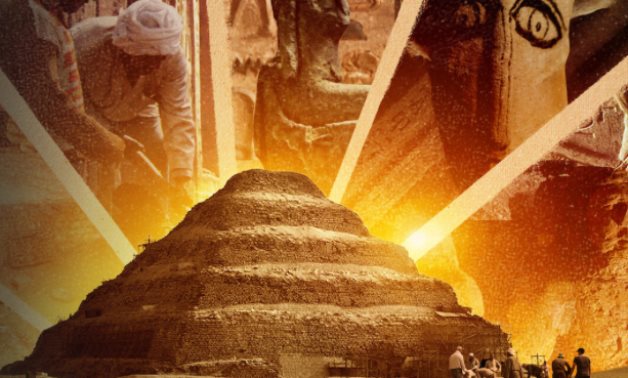
"Secrets of the Saqqara Tomb" - Netflix Official
CAIRO – 1 November 2020: Over a week after the news about unearthing a number of 2,500 year-old coffins in Saqqara went viral, Netflix premiered, on October 28, its original documentary about the excavations project that started in the area in 2018.
"Secrets of the Saqqara Tomb" is a 113-minute documentary that takes us on a journey with a relentless team of Egyptian archaeologists while excavating a never-before explored site and uncovering Egypt's most significant archaeological find in nearly 50 years.
The documentary was released globally in 190 countries with English dubbing and subtitles in over 30 languages.
Produced by Lion Television and At Land Productions as well as Executive producers Richard Bradley and Caterina Turroni, "Secrets of the Saqqara Tom" was filmed in Saqqara, west of Cairo, and less than a mile away from Egypt's oldest pyramid, the Step Pyramid.
Priceless treasure under the sand
In November 2018, a small team of local archaeologists started hunting tombs in the ancient graveyard of Bubasteion Necropolis at Saqqara, and ended up unearthing the discovery of their lifetime. In the course of just one season, the team found more than 3100 unique artifacts.
The Netflix film focuses on the deciphering of the 4500 year old tomb of a priest, called Wahtye, from the fifth dynasty of the pharaohs, and the detailed excavation of passageways, shafts as well as the surrounding area.
Since the discovery, experts have been searching for clues about Wahtye and his family, who were never known before.
Although, documentaries about ancient Egypt usually explain its history, "Secrets of the Saqqara Tomb" is about the excavation process itself, and this is what makes this film unique.
"Secrets of the Saqqara Tomb" takes us to the captivating moments of digging, anticipation and discovery, and accompanies the archeologists while they try to make sense of their priceless findings with the help of experts of Egyptology, anthropology, and medicine. The discoveries are remarkably well preserved, and can offer a deeper understanding of the ancient Egyptian life.
Trailer:
-- Sent from my Linux system.
Hollywood’s Enduring Fascination With “The Mummy” - Daily News Egypt
Hollywood's Enduring Fascination With "The Mummy"
With so much still unknown about ancient Egypt, the mystery is sure to continue to entice travellers, scientists and of course, Hollywood.

The early October announcement that Egyptian archaeologists had unearthed 59 highly-preserved, sealed wooden coffins that are at least 2,500 years ago sent the international media into overdrive, with Google offering nearly 11 million search options for "mummy discovery 2020."
The find was remarkable; mummified remains wrapped in cloth and buried in ornately decorated sarcophagi with brightly-coloured hieroglyphic inscriptions. The discovery was the first since Covid-19 mostly shut Egypt's museums and archaeological sites and reduced tourism to a trickle.
What's interesting is that – to be frank – a mummy is much like most other mummies. Sure, there may be more colour, but the basic concept remains the same; and yet, these artefacts of ancient Egyptian history have had a spellbinding effect on the west since the first mummy – named "Ginger" for its red hair – was exhibited at the British Museum in 1901.
The first Hollywood mummy movie, 1932's The Mummy, was a smash hit and since then, Hollywood has produced close to 100 mummy related films.
So, what explains the western world's fascination with Egyptian mummies? It's not like they are the world's only examples of well-preserved, ancient human remains. And they aren't the oldest. One mummy, that that was DNA tested, was found to be 28,000 years old. Called Paglicci 23 due to being found in the Paglicci Cave in Apulia, Italy, it predates the oldest Egyptian mummies by 25,000 years. There are Chinese mummies, there are South American mummies and there are frozen or preserved-in-a-bog specimens; some of which are in excellent condition.
There's something about ancient Egypt that has lured western scientists, tourists and movie makers for generations. Hollywood is infatuated with mummies, but even Tom Cruise couldn't save the disastrous 2017 film "The Mummy." The intended attempt to create a new franchise – on paper – had everything going for it: a great cast, a spookier story, a sexier mummy, but it bombed, badly. Universal Pictures put up US$345 million – no doubt banking on Cruise's star power – but the movie ended up losing the studio as much as US$95 million.
You would think after that they would have learned their lesson, but no, internet rumours abound of a 2021 Mummy re-re-boot, this time starring Dwayne "The Rock" Johnson. Every studio is denying it, but the fact there are fan-made trailers for a non-existent concept movie online attests to the staying power of Egyptian mummies.
Hollywood should have let things be with the well-received 1999 The Mummy remake starring Brendan Fraser, a film that mixed adventure and humour well. The movie and its cast didn't take themselves too seriously and audiences enjoyed the ride. But of course, Hollywood executives love to beat a dead camel and made half-a-dozen squeals and prequels and spinoffs, most of which got lost in quicksand.
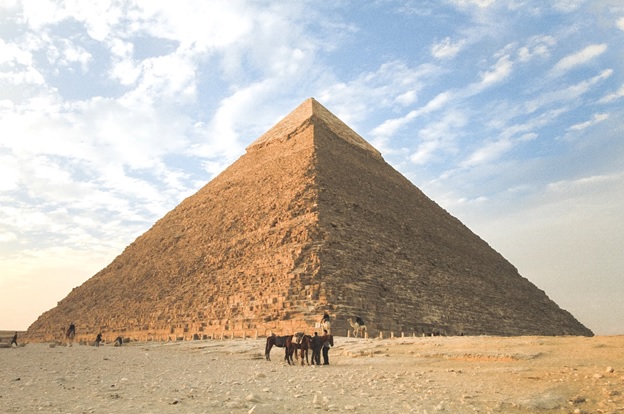
And it's not just mummies that Hollywood seems infatuated with. The whole "mystical Egypt" trope has spawned dozens of films, with The Scorpion King, Legion of the Dead, and even X-Men: Apocalypse, whose villain was some sort of ancient Egyptian king-mummy, to cite just a few.
It might be fair to credit or blame French scholar Jean-François Champollion with this enduring fascination. Champollion was the man who, in 1822, finally cracked the code to Egyptian hieroglyphics. He'd become entranced by hieroglyphics after spending time in the service of Napoleon Bonaparte as French armies rampaged through Syria and Egypt in 1798, partly in a bid to weaken Britain's control of India.
That French invasion also gave birth to another enduring western myth related to Egypt: that the nose of Great Sphinx of Giza was shot off by French troops doing target practice. Modern scholars have debunked the claim and archaeological research has concluded that it was broken with instruments sometime between the 3rd and 10th centuries CE, but by whom remains a topic for debate.
But back to the mummies. Some praise the sophistication of ancient Egyptian mummification. Reports note the 3,000-year-old mummy of Pharaoh Seti I looked like he was sleeping after being discovered in 1881. The Minneapolis Institute of Art, however, has a deeper answer than just how pretty the mummies look. In one word, it's "intrigue." In an article for the Institute regarding Egypt, Jan-Lodewijk Grootaers, Mia's curator of African art notes, "There's something about the mystery of it all. Things are hidden — in pyramids, in tombs, in sarcophagi. There are false doors. Even hieroglyphs require a code to understand them."
Mystery does indeed abound. King Tutankhamun's mummy was buried inside three coffins nested inside each other like Russian dolls, those were then hidden inside a sarcophagus, which was in turn hidden inside a frame, all of which was entombed inside four shrines. Why he required nine coverings is fascinating and allows each observer to "choose your own adventure," if you will.
With so much still unknown about ancient Egypt, the mystery is sure to continue to entice travellers, scientists and of course, Hollywood.
-- Sent from my Linux system.
President Sisi inaugurates Sharm el-Sheikh Museum - Egypt Independent
President Sisi inaugurates Sharm el-Sheikh Museum
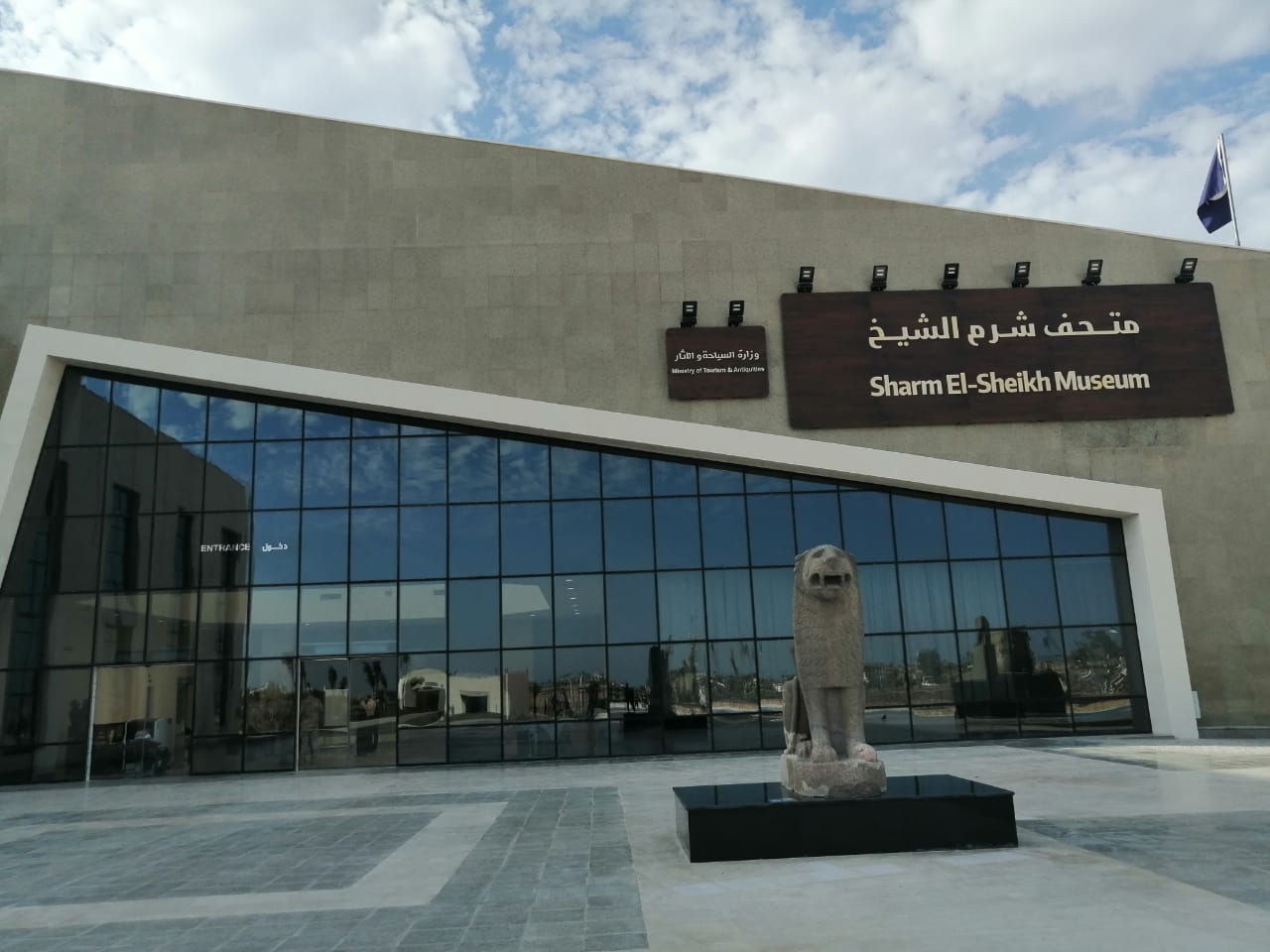
Egyptian President Abdel Fattah al-Sisi on Saturday inaugurated the Sharm el-Sheikh Museum, in the presence of Saudi Prince Fahd bin Sultan.
Sisi inspected the museum's galleries and halls accompanied by the Saudi Prince and the Minister of Tourism and Antiquities Khaled al-Anany.
The head of the Museums Sector at the Ministry of Tourism and Antiquities, Moamen Othman, said that the Sharm el-Sheikh Museum displays about 5,200 carefully selected artifacts revealing different aspects of Egyptian civilization.
Ticket prices are LE40 for Egyptian visitors, LE20 for Egyptian students, LE200 for foreign tourists, and LE100 for foreign students, Othman added.
Regarding the opening times of the museum, he explained that the Sharm el-Sheikh Museum is open all days from 10 am to one pm in the morning and from five pm to 11 pm in the evening.
This schedule, he said, provides an opportunity for tourists to enjoy the picturesque beaches of the city, practice fun water sports in the morning, and visit the museum at night to learn about ancient Egyptian civilization – all part of the ministry's policy of integrating beach tourism with cultural tourism.
The Ministry of Tourism and Antiquities had previously resumed construction work on the museum in Sharm el-Sheikh in September 2018, following the project's suspension for eight years due to lack of funding.
The museum will also feature an exhibit on wildlife and for the first time will highlight ancient Egyptian care for various animals, such as birds, reptiles and insects.
Last year, the head of the Projects Sector at Egypt's Antiquities Ministry, Waad Abul-Ela announced that the Sharm el-Sheikh Museum will cost a total of LE1.2 billion for both the first and second phases.
-- Sent from my Linux system.