Roman cemetery in Egypt reveals golden tongues, mummies, and rare Iliad papyrus
Archaeologists working in Middle Egypt have uncovered a Roman period cemetery in the El Bahnasa area of Minya, adding new detail to burial customs in a city known in antiquity as Oxyrhynchus. The excavation, led by a team from the University of Barcelona and the Institute of the Ancient Near East, brought to light a mix of mummies, cremation burials, and ritual objects linked to beliefs about the afterlife.
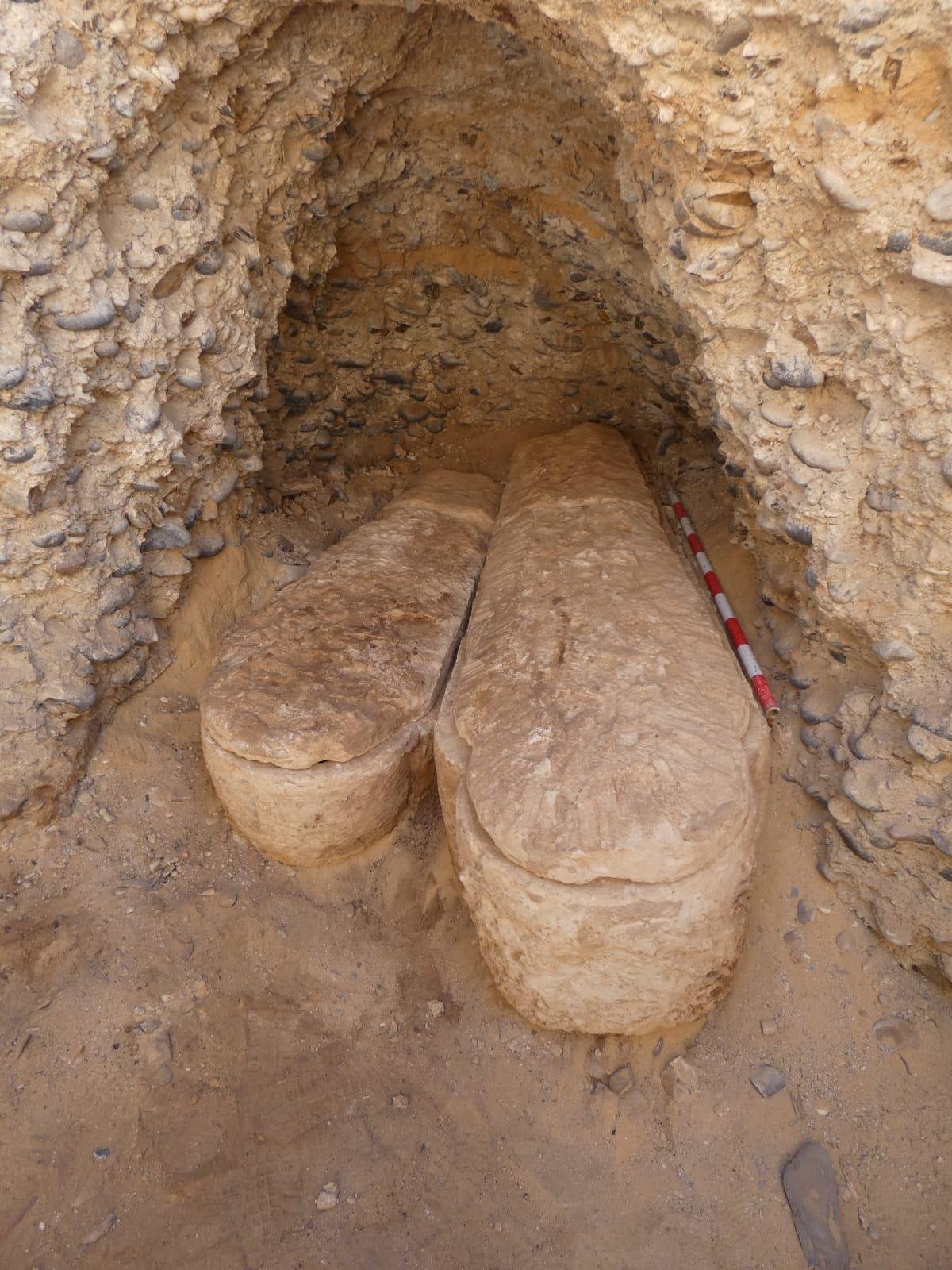
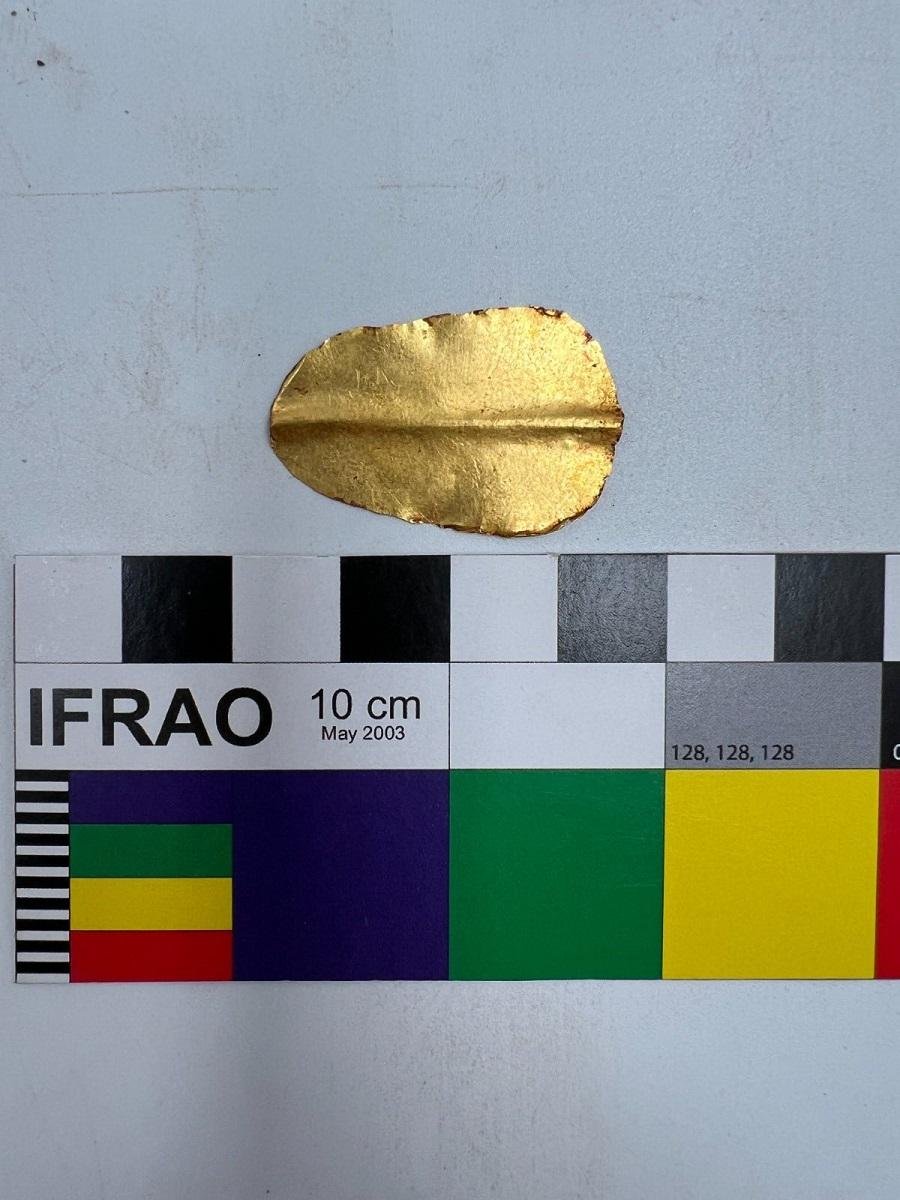
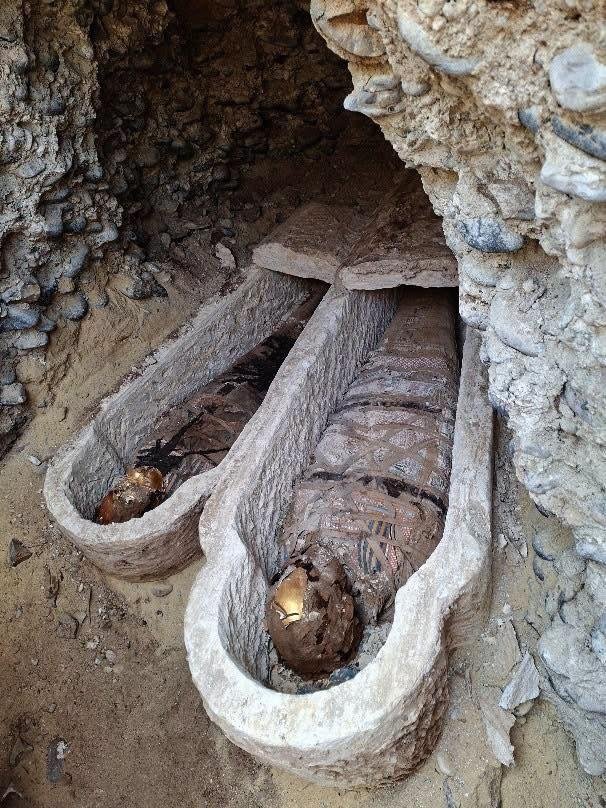
Several mummies were found inside wooden coffins, some still wrapped in textiles decorated with geometric patterns. Among the most striking finds were small tongues made of gold, along with one made of copper, placed inside the mouths of the deceased.
Archaeologists link these objects to ideas about speech after death, a practice described in written sources but rarely preserved in such clear physical form. Traces of gold leaf were also identified on some of the mummies, pointing to careful preparation of the body.
One burial produced a papyrus placed within a mummy. The text contains lines from Book Two of Homer’s Iliad, known as the Catalogue of Ships, which lists the Greek forces in the Trojan War. The presence of this text in an Egyptian burial shows how Greek literature remained part of cultural life in the region during the Roman period.
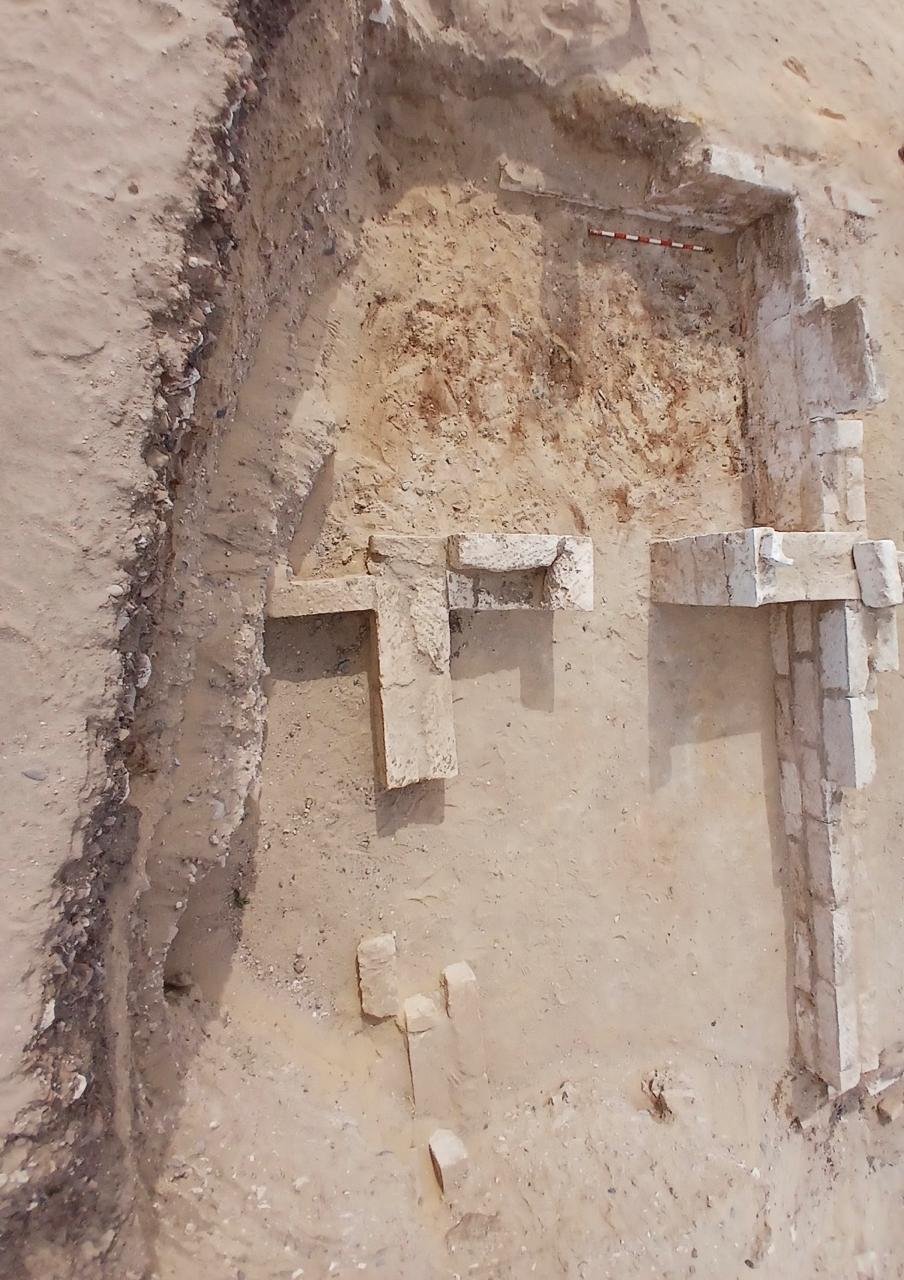
Excavation near a structure first recorded in 2024 revealed a limestone complex with three chambers. In one room, a large jar held the burned remains of an adult along with infant bones and the head of an animal, all wrapped in cloth. Another chamber contained cremated remains of two individuals mixed with animal bones of a similar type. These finds point to varied burial methods at the site, including both mummification and cremation.
Additional objects came from areas south of the main tombs. Small terracotta and bronze figures include images of Harpocrates, sometimes shown as a rider, and a figure resembling Cupid. These items reflect a blend of Egyptian and Greco Roman religious traditions, which shaped funerary practices in the region.
Parts of the cemetery show clear signs of disturbance from earlier looting. Coffins and burial chambers suffered damage, leaving many remains in poor condition. Even with this loss, the site continues to provide direct evidence of rituals once known mainly from texts. The combination of mummies, cremation burials, and symbolic objects offers a detailed view of how people in this ancient city prepared for death and the afterlife.
More information: Ministry of Tourism
--
Sent from my Linux system.

No comments:
Post a Comment