Medicalized technologies: ingredient patterns in ancient Egyptian therapeutic recipes as informants on food processing diversity
The American Research Center in Egypt, Northern California chapter, and the UC Berkeley Department of Middle Eastern Languages and Cultures (MELC) invite you to attend a lecture by Dr. Jonathan (Jonny) Russell, Brown University:
Medicalized technologies: ingredient patterns in ancient Egyptian therapeutic recipes as informants on food processing diversity
Friday October 23, 2026, 4 PM Pacific Daylight Time
Note the time and day change!! MELC Lounge/Rm 254 Social Sciences Building (formerly Barrows Hall), UC Berkeley
Much has been written on ancient Egyptian food processing technologies, especially in the domains of brewing and baking (for which Samuel 2000 remains a valued survey). Certain aspects of these technologies, such as the varieties of yeast cultures used, remain somewhat elusive. Others, such as milk processing, have received little to no attention. These lacunae are, in many cases, the result of the kinds of source material commonly consulted to elucidate ancient processes – tomb depictions and archaeological remains being chief among them. Notably, medical texts list a wealth of food or food-adjacent products as ingredients in medicinal recipes but have been less appreciated in understanding food processing. The many constellations of ingredients are, after all, notoriously challenging if not impossible to translate, and modern analyses are often mired by a compulsion to identify pharmacological activity as the primary motivation for their initial selection.
This lecture takes a fresh look at these problems. It will first explore a sample of representative manuscripts, such as Papyrus Hearst (in Berkeley!), Ebers, and a demotic manuscript in Vienna: all of which are compilations of recipes, or “recipe compendia”. It will then examine the social and ritual contexts of the recipes recorded in these manuscripts, to better understand both by and for whom the recipes were used. Following a careful analysis of recipe data, the new hypothesis that many entries can be considered “medicalized” receptions of known processing technologies will be presented and explored. Focusing on recipes that manipulate brewing and cheese processing as case studies, the lecture will demonstrate how aspects of these processes are “fossilized” in various ways within medicalized recipes. In addition to offering new insights into healing practices, the presented results suggest more significant variety in food processing than presently assumed.
About the Speaker:
Since 2024, Jonathan (Jonny) Russell has been assistant professor of Egyptology at Brown University, where he teaches classes in ancient Egyptian history, Middle and Late Egyptian, hieratic, and demotic, as well as in Egyptian and Mesopotamian medicine and magic. Armed with a knowledge of Akkadian, his research explores the similarities and differences in contents and social contexts of healing manuscripts from Egypt and Mesopotamia, and how observations modify impressions of knowledge transmission across ancient communities in Northeast Africa and Western Asia. He is presently working on a monograph titled Variety and Versatility in Ancient Egyptian and Mesopotamian Specialist Healing: A Comparative Study, in addition to a new English-language anthology of therapeutic compendia from Middle Kingdom to Roman Period Egypt.
Jonny submitted his PhD thesis to Leiden University (The Netherlands) in 2023 – a project which was funded by the Dutch Scientific Research Organisation (NWO) and titled: Towards a Historical Contextualisation of Ancient Egyptian Perspectives of the Inner Body, Sickness, and Healing. Before coming to Brown, he worked as a postdoctoral researcher at the Institute for the History of Pharmacy and Medicine at the Philipps-Universität Marburg (Germany), where he began exploring the intersections between food and therapeutic technologies.
Visitor Parking:
Keep in mind that restricted parking at UC Berkeley ends at 5 p.m. For Friday, October 23, 2026, here are the best visitor-parking options near UC Berkeley’s Social Sciences Building (formerly Barrows Hall): Lower Sproul Parking Garage, 2465 Bancroft Way; RSF Garage, 2299 Bancroft Way.More visitor parking information can be found at https://pt.berkeley.edu/visitor-parking.
About Northern California ARCE:
In Egypt, a monumental head of Ramses II, the remains of a second royal statue, and a block of pink granite bearinghieroglyphicinscriptions have been unearthed during emergency archaeological excavations conducted at Behbeit el-Hagar, in Egypt’s Gharbia Governorate, in the Nile Delta. The discovery was announced by Egypt’s Ministry of Tourism and Antiquities.
The investigation began after a local resident spotted an engraved stone block while working on a plot of land he owned, in front of his home, and reported the find to archaeologists. An initial site inspection confirmed its archaeological significance. The relevant inspectorate then initiated legal procedures and formed a specialized team from the Supreme Council of Antiquities to conduct the excavations.
According to Hisham El-Leithy, secretary general of the Council, the first artifact discovered is the head of a statue of Ramses II, approximately 1.60 meters tall. The pharaoh is wearing the double crown of Upper and Lower Egypt. A fragment of the upper part of the dorsal pillar was also discovered, bearing the king’s Horus name, “Horus Ka Nakht Mery Maat.” The dimensions of the head suggest that the statue, including the base, may have originally stood about 8.5 meters tall.
A monumental head of Ramses II. Photo: Egyptian Ministry of Tourism and Antiquities
A monumental head of Ramses II. Photo: Egyptian Ministry of Tourism and Antiquities
A block of pink granite with hieroglyphic inscriptions. Photo: Egyptian Ministry of Tourism and Antiquities
A monumental head of Ramses II. Photo: Egyptian Ministry of Tourism and Antiquities
The second discovery consists of the main body of a royal statue approximately 2.40 meters long, missing its legs and base, and hypothetically attributed to Ramses II himself. The ruler wears the royal nemes headdress, the upper portion of which is missing. The head still retains clearly recognizable facial features, similar to those of the first statue. About one meter north of this latest find, a 1.30-meter-long block of pink granite was discovered. The hieroglyphic inscriptions preserve two royal titles of Ramses II: “Nesu Bity,” king of Upper and Lower Egypt, and “Sa Ra,” son of Ra.
The Minister of Tourism and Antiquities, Sherif Fathy, emphasized the importance of the discovery for understanding the site’s history and thanked the citizen who reported the stone, highlighting the public’s role in preserving cultural heritage. Excavations and studies will continue to clarify the relationship between the artifacts and to reconstruct the history and architectural development of the area. Behbeit el-Hagar is a significant archaeological site in the Egyptian Delta, known primarily for the remains of a large temple dedicated to the goddess Isis and for the numerous granite architectural elements that attest to the site’s religious and monumental importance in ancient Egypt.
Egypt: A citizen reports an engraved stone; excavations reveal two royal statues, one of which is of Ramses II
Warning: the translation into English of the original Italian article was created using automatic tools. We undertake to review all articles, but we do not guarantee the total absence of inaccuracies in the translation due to the program. You can find the original by clicking on the ITA button. If you find any mistake,please contact us.
The fourth-century tomb was unearthed in a necropolis in the Dakhla Oasis of Egypt.
(Image credit: Courtesy of the Egyptian Ministry of Tourism and Antiquities)
Archaeologists in Egypt have discovered a 1,700-year-old limestone tomb with a rare poem inscribed on it in ancient Greek, likely from a son lamenting his father's death.
The tomb, which has a pyramid-shaped roof, dates to the fourth century, when the Roman Empire controlled Egypt. A team found it in the Dakhla Oasis, near ancient Mothis (modern-day Mut), a prominent city in the oasis.
Built for a husband and wife, the tomb has a stone plaque containing a 19-line poem written in ancient Greek, representatives of the Egyptian Ministry of Tourism and Antiquities said in a translated statement. The deceased man was named Pisechtes and may have been a judge. However, the statement didn't mention the discovery of any human remains at the site.
The tomb was built for a husband and wife and is about 1,700 years old.
(Image credit: Courtesy of the Egyptian Ministry of Tourism and Antiquities)
The tomb also has hieroglyphic inscriptions that record spells meant to protect the deceased. Some of the inscriptions mention parts of the "Amduat," a text that tells the story of the sun god's journey through the underworld.
Archaeologists also discovered an offering table, a purification basin, pottery and at least one coin that depicts the Roman emperor Constantine the Great, who ruled the Roman Empire from A.D. 306 to 337. Constantine famously legalized Christianity and converted to the religion shortly before his death. There do not seem to be any Christian decorations or texts inside the tomb.
Fourteen steps lead down to the tomb entrance, which is decorated with a variety of images, including a winged sun disk, an image of the god Osiris and two cobras, according to the statement.
"Listen, father!"
Hieroglyphs near the tomb entrance contain spells protecting the deceased.
(Image credit: Courtesy of the Egyptian Ministry of Tourism and Antiquities)
The inscribed stone plaque contains a lament for the deceased written in ancient Greek.Angelos Chaniotis, a researcher at the Institute for Advanced Study in New Jersey who was not involved in the excavation, said this "is a highly literary and original epigram" with grammar similar to that of Homer's famous epics.
In the short poem, the deceased is praised for his kindness and wisdom and called an "advisor in life." In the last lines, Pisechtes' son Sarapion "addresses his father, 'Listen father!', and asks him to accept the funerary libations and offerings of lamenting children," Chaniotis told Live Science in an email.
"An interesting feature of the inscription is the use of diacritical marks" such as accents, Chaniotis said. "This is an indication of the high level of education of the author of the epigram."
The tomb may have been reused at a later time, according to the statement, since a mud-brick shrine above the tomb entrance was likely erected after Pisechtes and his wife were buried.
Live Science contacted the archaeological team but had not heard back by the time of publicatio
Egypt reopens 3,400-year-old tomb located 46 feet underground. First found during Napoleon era, it has hieroglyphs from the Book of the Dead
SECTIONS
Egypt reopens 3,400-year-old tomb located 46 feet underground. First found during Napoleon era, it has hieroglyphs from the Book of the Dead
Amenhotep III's tomb has been reopened to the public after undergoing significant restoration in Egypt. Initially unearthed during Napoleon’s expedition in 1799 and thoroughly excavated in 1915, the tomb still showcases remarkable wall paintings and hieroglyphs, despite extensive looting. Amenhotep III, who ruled for an impressive 38 years, was responsible for erecting numerous grand monuments. His mummy is currently housed at the National Museum of Egyptian Civilisation in Cairo.
Visitors view the tomb of Amenhotep III, who ruled ancient Egypt between 1390 B.C. and 1350 B.C., in the Valley of Kings in the southern city of Luxor, Egypt, Saturday, Oct. 4, 2025, as it opened to visitors for the first time in more than two decades. (AP Photo/Amr Nabil)
Tomb of one of ancient Egypt’s most powerful rulers, Amenhotep III, has been reopened for visitors. The 3,400-year-old site, which was first discovered during Napoleon era, was closed for visitors around two decades back. But now visitors can now again see the ancient site located 46 feet underground.
The tomb was first found in 1799 during Napoleon’s Egyptian campaign by French engineers Prosper Jollois and Édouard de Villiers du Terrage. After more than a century, it was later excavated by British archaeologist Howard Carter in 1915 but by then, looters had emptied the chamber centuries earlier.
The tomb was restored between 2001 to 2024 in three phases by Egyptian, Japanese, and international teams and was officially reopened on October 4, 2025. “Two hundred and sixty representatives over these 20 years — researchers specialised in conservation, technicians with particular skills. I think this is a special achievement,” Nuria Sanz, UNESCO's regional director in Egypt said after the Amenhotep III's tomb was reopened.
AP
A visitor films the tomb of Amenhotep III, who ruled ancient Egypt between 1390 B.C. and 1350 B.C., in the Valley of Kings in the southern city of Luxor, Egypt (Image used for representation)
Who was Amenhotep III?
Amenhotep III, also called as Amenhotep the Magnificent, ascended the throne as a teenager during the height of the 18th dynasty. During his 38 years rule, Amenhotep III built many temples, palaces and statues including the Colossi of Memnon near Luxor, a pair of large stone figures that once guarded his mortuary temple. He also built a major temple at Soleb in Nubia and many buildings in Memphis.
Amenhotep III had two queens - Tiye and Sitamun. Tiye, who was a commoner, said to be a shrewd and able woman who became the chief queen and the mother of the reforming king Akhenaten.
What's inside the tomb?
The tomb is located almost 46 feet underground and visitors have to go through a 36-meter (118-foot) passage that slopes downward into a network of three connected chambers - one for the king while the other two belonged to his queens.
Despite being completely looted, the tomb still retains its remarkable splendour. Its wall depicts Amenhotep III among the gods, surrounded by ritual inscriptions invoking eternal life. Unlike some other tombs in the valley, this one was never fully decorated.
Besides its vibrant and weathered paintings, the walls have sacred hieroglyphs drawn from the Book of the Dead. These texts were intended to guide the pharaoh safely into the afterlife. “You can still see the frame of the stolen sarcophagus box, with its lid preserved in the place where it once rested,” said Mohamed Ismail, secretary-general of Egypt’s Supreme Council of Antiquities, during the launch.
Ofcourse, the pharaoh’s mummy no longer rests inside the complex. Long ago, ancient priests said to have shifted it to the tomb of his grandfather, Amenhotep II, for protection. Today, it is displayed at the National Museum of Egyptian Civilisation in Cairo alongside 16 other royal mummies.
Two young men gaze out from a circular wooden panel no thicker than a finger, their faces painted nearly two millennia ago for a journey into the afterlife.
Now, after three weeks of painstaking work by Egyptian and Italian conservators, the rare portrait known as the “Two Brothers” is ready for a new journey: its first trip out of Egypt, to an exhibition in Rome.
At about 62 centimetres (24 inches) across and less than a centimetre thick, it is unusually large and circular for a Fayum portrait. It depicts two men side by side, painted in encaustic — a technique that uses pigments mixed with hot wax.
Fayum portraits are among the most striking painted images to survive from the ancient world. Usually made on thin wooden panels, they were placed over the faces of mummies, bringing together Egyptian funerary customs and artistic traditions shaped by Greek and Roman influence.
The “Two Brothers” portrait was in fragile condition before the latest work. Wood-boring insects had damaged its wooden support, parts of the paint layer were unstable, and an earlier repair had left sections of one man’s mouth and chin in the wrong position.
Conservators stabilised weakened areas, treated insect tunnels beneath the paint and carefully repositioned the misplaced fragments using fine supports. They said they followed a minimal-intervention approach intended to preserve the painting’s authenticity and evidence of its history.
Ultraviolet examinations also revealed traces in the men’s hair that may point to the use of a transparent varnish to deepen dark tones, officials said — a clue to painting techniques used in Roman-era Egypt.
The restoration brought together staff from Cairo’s Egyptian Museum and specialists from Rome-based Fabrica Conservazione e Restauro. Egyptian Tourism and Antiquities Minister Sherif Fathy described the project as an example of cultural cooperation and an opportunity to share expertise in preserving heritage.
For the Rome exhibition, the portrait will join nearly 60 painted portraits from Egyptian museum collections, including works from the Egyptian Museum in Cairo, Kom Oshim and Hurghada. The show will feature more than 110 objects in all, among them funerary shrouds, masks, marble portraits, plaster casts and jewellery.
Egyptian works will be displayed alongside objects from international collections including the Louvre, the J. Paul Getty Museum and the Metropolitan Museum of Art. Organisers say the exhibition will place Fayum portraits within the broader cultural world in which they emerged, rather than treating them as an isolated artistic phenomenon.
The “Two Brothers” portrait’s unusual double composition makes it especially distinctive among the works. Its upcoming appearance in Rome will offer visitors a close look at the face, and the artistic exchanges, of Roman-era Egypt.
Medicalized technologies: ingredient patterns in ancient Egyptian therapeutic recipes as informants on food processing diversity
The American Research Center in Egypt, Northern California chapter, and the UC Berkeley Department of Middle Eastern Languages and Cultures (MELC) invite you to attend a lecture by Dr. Jonathan (Jonny) Russell, Brown University:
Medicalized technologies: ingredient patterns in ancient Egyptian therapeutic recipes as informants on food processing diversity
Friday October 23, 2026, 4 PM Pacific Daylight Time
Note the time and day change!! MELC Lounge/Rm 254 Social Sciences Building (formerly Barrows Hall), UC Berkeley
Much has been written on ancient Egyptian food processing technologies, especially in the domains of brewing and baking (for which Samuel 2000 remains a valued survey). Certain aspects of these technologies, such as the varieties of yeast cultures used, remain somewhat elusive. Others, such as milk processing, have received little to no attention. These lacunae are, in many cases, the result of the kinds of source material commonly consulted to elucidate ancient processes – tomb depictions and archaeological remains being chief among them. Notably, medical texts list a wealth of food or food-adjacent products as ingredients in medicinal recipes but have been less appreciated in understanding food processing. The many constellations of ingredients are, after all, notoriously challenging if not impossible to translate, and modern analyses are often mired by a compulsion to identify pharmacological activity as the primary motivation for their initial selection.
This lecture takes a fresh look at these problems. It will first explore a sample of representative manuscripts, such as Papyrus Hearst (in Berkeley!), Ebers, and a demotic manuscript in Vienna: all of which are compilations of recipes, or “recipe compendia”. It will then examine the social and ritual contexts of the recipes recorded in these manuscripts, to better understand both by and for whom the recipes were used. Following a careful analysis of recipe data, the new hypothesis that many entries can be considered “medicalized” receptions of known processing technologies will be presented and explored. Focusing on recipes that manipulate brewing and cheese processing as case studies, the lecture will demonstrate how aspects of these processes are “fossilized” in various ways within medicalized recipes. In addition to offering new insights into healing practices, the presented results suggest more significant variety in food processing than presently assumed.
About the Speaker:
Since 2024, Jonathan (Jonny) Russell has been assistant professor of Egyptology at Brown University, where he teaches classes in ancient Egyptian history, Middle and Late Egyptian, hieratic, and demotic, as well as in Egyptian and Mesopotamian medicine and magic. Armed with a knowledge of Akkadian, his research explores the similarities and differences in contents and social contexts of healing manuscripts from Egypt and Mesopotamia, and how observations modify impressions of knowledge transmission across ancient communities in Northeast Africa and Western Asia. He is presently working on a monograph titled Variety and Versatility in Ancient Egyptian and Mesopotamian Specialist Healing: A Comparative Study, in addition to a new English-language anthology of therapeutic compendia from Middle Kingdom to Roman Period Egypt.
Jonny submitted his PhD thesis to Leiden University (The Netherlands) in 2023 – a project which was funded by the Dutch Scientific Research Organisation (NWO) and titled: Towards a Historical Contextualisation of Ancient Egyptian Perspectives of the Inner Body, Sickness, and Healing. Before coming to Brown, he worked as a postdoctoral researcher at the Institute for the History of Pharmacy and Medicine at the Philipps-Universität Marburg (Germany), where he began exploring the intersections between food and therapeutic technologies.
Visitor Parking:
Keep in mind that restricted parking at UC Berkeley ends at 5 p.m. For Friday, October 23, 2026, here are the best visitor-parking options near UC Berkeley’s Social Sciences Building (formerly Barrows Hall): Lower Sproul Parking Garage, 2465 Bancroft Way; RSF Garage, 2299 Bancroft Way.More visitor parking information can be found at https://pt.berkeley.edu/visitor-parking.
About Northern California ARCE:
This Zoom course, a rare opportunity, will be taught by:
Leah Packard-Grams <leahpackgrams@berkeley.edu> | [she/her] Ancient History & Mediterranean Archaeology PhD student Center for the Tebtunis Papyri Unceded xučyun (Huichin) Ohlone land UC Berkeley
Scientists name ancient crocodile species found in rock that built the Great Sphinx
A skull of a new prehistoric crocodile species recently identified by scientists.
Paul Burke
The croc family tree may be getting a new branch. Analyzing fossilized remains discovered in the same bedrock that built the Great Sphinx, paleontologists newly identified a crocodilian species that once roamed a shallow sea in what’s now Egypt about 45 million years ago.
The Mokattam Formation in northern Egypt is a thick layer of limestone that has preserved prehistoric marine fossils, including fish, sharks and early whales. That same limestone outcrop also provided much of the raw material ancient Egyptians used to build some of their most famous monuments, including the Great Sphinx and the pyramids at Giza.
Now, scientists have identified the extinct crocodile species that lived millions of years before the Egyptians built the structures. Not only do the crocodile specimens share the same geologic foundation as the iconic landmarks, but one of the key fossils, a nearly complete skull, bears a striking resemblance to the Sphinx: The skull, first unearthed in the 1920s, is missing the tip of its snout similar to the Sphinx statue, which famously lost its nose. This coincidental trait inspired researchers to name the new genus Herugavialis after Heru, or Horus, the Egyptian god associated with the construction of the mythical creature.
The species discovery adds to scientists’ understanding of the diversity and history of gharials, a group of crocodilians with a complicated evolutionary history, according to the authors of a study published Tuesday in the journal Royal Society Open Science.
“Herugavialis cairensis is one of the six species of gharials that we see in the Mediterranean across a 43 million year period, from 66-23 million years ago. Of course, there could be even more species that we just don’t know about yet,” said co-lead study author Paul Burke, a vertebrate paleontologist and postdoctoral researcher at the Swedish Museum of Natural History in Stockholm.
Only two gharial species exist today — found in the Indian subcontinent and Southeast Asia — but the lineage’s fossil record spans the globe, with specimens uncovered in places including the United Kingdom, Sweden, Italy, Egypt and Japan, Burke said in an email.
A glimpse of prehistoric Egypt
Gharials, or gavials, are characterized by their long, slender snouts. The two living species include the critically endangered Indian gharial, Gavialis gangeticus, and the endangered false gharial, Tomistoma schlegelii. The false gharial gets its moniker from its resemblance to the Indian gharial, despite being a different species.
A present-day gharial or fish-eating crocodile, newly hatched in captivity in Chennai.
Arun Sankar/AFP/Getty Images
The fossils analyzed in the new study, including the skull and five other specimens, were initially classified in 1927 as the previously named extinct speciesTomistoma cairense based on their resemblance to the living false gharial. However, after performing evolutionary analyses to assess the relationships of extinct and living crocodilians, and computed tomography or CT scanning to peer inside the skull, the study authors found that the remains did not belong to the genus Tomistoma.
“It was already known and recognised as something distinct, but more detailed work was needed to resolve exactly what it represented,” said co-lead study author Philip Mannion, a professor of paleobiology at the University College London.
Instead, the crocodilian’s features represent a new genus, Herugavialis. Burke, who was reconstructing fossil gharials for his doctoral project, noted the subtle differences between the unidentified species and the false gharial, and started to work on an up-to-date description in December 2023.
Herugavialis had razor-sharp, pointed teeth “which, alongside their long, thin snout would have been adapted to capture fish,” Burke said in an email. “The Mokattam Formation, where Herugavialis was recovered from, preserves several species of bony and cartilaginous fish fossils, which Herugavialis likely fed on.”
The semiaquatic predator’s eyes would have also protruded from the skull, similar to the Indian gharial, because the eye sockets were raised like a telescope, Burke added.
A top view of the Herugavialis skull.
Paul Burke
The Herugavialis skull may have not been discovered within the Great Sphinx itself, but the statue and the pyramids are known to be troves forboth ancient Egyptian and prehistoric finds. Scientists have previously discovered hundreds of thousands of smaller fossilized organisms, such as bivalves and foraminifera — tiny creatures that lived in Egypt’s past marine ecosystem — embedded within the grand monuments.
“It’s probable that larger fossils are also present within the walls of these monuments and I think it’s very likely that other fossils will continue to be found in this formation, especially of animals that like shallow marine environments,” Mannion said in an email, adding that prehistoric turtles could be a potential example.
The vast fossil collection unearthed from the Mokkattam Formation reveal the rich ecosystem and the wide diversity of species that once lived in prehistoric Egypt, he said. Identifying Herugavialis from a nearly centuries-old fossil find also highlights the importance of reevaluating museum collections.
“There are other fossils in similar situations, but often this is just about time and resources, both for researchers and curators, rather than that no-one is aware of their existence,” Mannion said.
Reclassifying the crocodile species “helps paint a better picture of what large predators were like in the region,” said Alex Hastings, the Fitzpatrick Chair of Paleontology at the Science Museum of Minnesota in Saint Paul, who was not involved with the study.
“This expands the known variety of forms of these amazing long-snouted crocodylians across the Mediterranean in ancient times and gives us better understanding for how that would have influenced ecosystems during the greenhouse environment of the Eocene,” Hastings said in an email, referring to the period from about 56 million to 34 million years ago when global temperatures were much warmer than today.
Herugavialis, like many other species, had initially been assigned to a living genus even though the croc was alive a long time ago, he noted. “Studies like this provide crucial data that allows us to realize the real diversity and evolutionary background of these creatures rather than lumping them into living systems.”
Taylor Nicioli is a freelance journalist based in New York.
Department of Anthropology, Purdue University, West Lafayette, IN, United States
Abstract
Introduction:
Despite the wealth of preserved human remains from ancient Egypt and Nubia, archaeologists have traditionally focused heavily on burial goods and context in the interpretation of interments, and many historical excavations did not include experts in human anatomy as part of their permanent team. Even today, many interpretations rely on the opinions of previous excavators with questionable or outdated expertise in the analysis of human remains rather than updated analyses. One example of just such a scenario is that of the subsidiary burials around the First Dynasty (c.3078–2900 BCE) royal funerary complexes at Umm el-Qaab in Abydos, where hundreds of court officials and craftspeople were interred around the burials of the early kings. When these burials were first excavated early in the 20th century, excavators believed that these subsidiary burials were the remains of sacrificed officials, but also noted that evidence of physical trauma was lacking, spawning decades of debate over whether human sacrifice, and specifically retainer sacrifice, was actually practiced in ancient Egypt.
Methods:
Using the Abydos example as a case study, this article will consider how important advances in forensic and bioarchaeological research, as well as the holistic examination that characterizes bioarchaeology as a field, allow us to not only reinterpret many of the legacy collections excavated in the past few centuries, but also fundamentally reshape the way we interpret ancient Egyptian and Nubian society.
Results:
Modern analysis has indicated that not only is perimortem trauma present on the remains of many individuals from the subsidiary burials at Abydos, but that the original probably excavators observed these injuries and simply misinterpreted them as postmortem damage.
Discussion:
Advances in our knowledge of trauma etiology, taphonomy, and the nuances of socioeconomic status as represented in burials allow us to reassess the original conclusions drawn by excavators from their analyses a century ago. The goal of this study is to promote the reassessment of legacy data collections and consider how our understanding of the past may be reshaped by updated methods of analysis.
1 Introduction
The wealth of human remains from ancient Egypt and Nubia has provided researchers with ample opportunity to conduct contextualized studies of life and death along the Nile Valley. Yet all too often, analyses of human remains are treated, and even published, separately from analyses of burial items and contexts. This is particularly the case with legacy data, i.e., human remains and artifacts that were excavated over the past century or two. These data sets are frequently incomplete, and many were modified by well-meaning 20th century archaeologists who intended to preserve or better study the remains, but whose efforts ultimately led to the loss of important information (, ; , ; ). In addition, the sheer number of archaeological sites and teams working along the Nile Valley means that new data is recovered frequently, leaving older collections to languish in storerooms and museums without the benefit of fresh, updated analysis. If these collections are not revisited, the interpretations of early scholars are repeated and reified without the benefit of updated information and potentially different interpretations.
This article will explore the case study of the First Dynasty subsidiary burials around the royal enclosures from Umm el-Qaab at Abydos to demonstrate how advances in bioarchaeological and forensic methods enable a reinterpretation of the data, even when the human remains in question were excavated over a century ago, are incomplete, and have been modified by historic attempts at conservation. In addition, any true bioarchaeological study must incorporate the cultural context of the human remains being analyzed in order to understand that individual's lived experience. It is hoped that case studies such as this will encourage researchers to revisit legacy collections armed with updated methods of analysis, and that researchers will see the value of conducting interdisciplinary, holistic studies to gain a more complete and nuanced understanding of life and death along the Nile in ancient times.
2 Background
This article focuses specifically on a collection of human remains that were excavated by Flinders Petrie in the 1920s in Abydos, southern Egypt (Figure 1) (, ). These human remains were excavated from the subsidiary burials at the First Dynasty (c.3078–2900 BCE) royal funerary complexes at the cemetery now known as Umm el-Qaab, and were believed by early scholars to provide evidence of human sacrifice at the beginning of the Egyptian state.
Figure 1
The First Dynasty rulers of Egypt constructed chamber tombs, often enclosed by mudbrick walls, as well as nearby enclosures that were likely used for funerary rituals associated with the royal cult after (and perhaps even before) the king's death (, ; , ; ). Around these royal tombs and enclosures were buried sometimes hundreds of individuals presumed to be members of the deceased ruler's royal court (Figure 2). While Aha, the first ruler of the First Dynasty, seems to have only had a few subsidiary burials, his successors included hundreds of subsidiary graves around their tombs and enclosures, though the number of these surrounding graves tapered off quickly and seems to have disappeared with the beginning of the Second Dynasty (). The burials themselves are single interments, and while most only held a few grave goods, some of the grave goods were of fine quality, including ivory combs bearing the name of the king, copper tools, stone and pottery vessels, and flint knives (). Some of the subsidiary burials also included grave stelae with the names and titles of the interred, though the written form of the Egyptian language was quite young at this time and does not yet seem to have been fully developed. The general consensus among scholars has been that the occupants of these subsidiary burials were likely members of the royal retinue, court officials, and (according to early excavators) members of the king's “harem” (more on this below), and indeed, this pattern is more or less what we find in other examples of subsidiary burials around a royal tomb, such as those at Ur (, ; ; , ; ; ). These individuals are generally grouped together as “retainers,” a general term for individuals associated with the royal household and court.
Figure 2
.
These subsidiary burials have been the subject of much debate within Egyptology since their discovery. The sheer number of subsidiary graves, many of which seem to have been filled and sealed in a single event, has led scholars to suggest that these graves may represent the only secure evidence of human sacrifice in Egypt (; ; ). Specifically, these individuals are believed to represent the practice of retainer sacrifice, in which members of the royal family and court are killed to accompany a deceased ruler into the afterlife, usually with the understanding that the sacrificed individuals will then serve the ruler in the afterlife (; ; ; ). Although Petrie found no evidence of lethal trauma in the skeletons, he believed that the bodies nonetheless represented an example of retainer sacrifice (). Petrie believed that the closure of so many graves at once made individual interments after natural deaths unlikely, and the apparently hasty closure of so many tombs along with the identity of officials associated in some way with the royal court led him to conclude that these burials probably represented retainer sacrifice (). Another alternative that has been proposed is that these individuals died naturally and were deposited around the tomb of their ruler over time (; ). Proponents of this theory point to Petrie's observation that none of the human remains showed evidence of trauma, as well as statement that actually many of the subsidiary graves were sealed individually rather than in large groups, though some smaller groups do appear to have been covered by a single roof at the same time. These hypotheses regarding the death of the retainers are considered later in this paper, but the salient point here is that both sides of this argument have proceeded without an updated, expert analysis of the human remains. Instead, Egyptologists have largely been forced to depend on the initial analyses of the human remains in these burials, conducted over a century ago.
3 Analysis of the first dynasty human remains
Petrie excavated the subsidiary burials around the First Dynasty funerary enclosures in the early 1920s, several decades after he began excavations at the nearby royal tombs (, ). Even when Petrie first excavated the area, many of the graves had been disturbed over centuries of funerary use at Abydos (). Petrie recorded the subsidiary graves and photographed those that remained intact, keeping careful note of the few artifacts that sometimes accompanied the bodies of the individuals in the subsidiary graves. At the time, methods for estimating the biological sex of an individual from dry bone were not well established, and thus individuals were generally considered male or female based on supposedly gendered artifacts in the burial or on their name, which sometimes appeared on the infrequent grave stele found associated with some of the burials (, ). Petrie believed that many of the individuals in the subsidiary graves were lesser wives and concubines of the king, a popular Orientalizing idea of the 20th century (see discussion of this topic later in this article). The unusual position of several of the bodies, with limbs outstretched and supposedly raised, led Petrie to hypothesize that many or all of the individuals were buried alive, an interpretation that may also have been influenced by Sir Leonard Woolley's discovery of the dramatic “Death Pit” from Ur around the same time (; ). These initial impressions have largely remained unchallenged over the course of the past century.
At the time the subsidiary burials were excavated at Umm el-Qaab, bioarchaeology had not yet developed as a specialty within archaeology or anthropology. Instead, most projects would employ a medical doctor to analyze any human remains that were found. These specialists were almost always called in after excavation of the remains had been completed, and this medical professional was then tasked with assessing the remains based on their pre-existing knowledge of modern living (and occasionally dead) human bodies. While many of these medical professionals were highly trained and skilled observers, they were also limited by the methods, technology, and biases of their times. In addition, even today medical doctors are not necessarily trained in the analysis of dry bone, as their focus lies in the diagnosis and treatment of living patients.
One of the first specialists to study the remains was G.M. Morant, who along with G.H. Motley analyzed the crania from the subsidiary burials of the funerary enclosures which ended up in the Duckworth Collection at Cambridge University. Morant and Motley estimated the sex of these crania, identifying thirty-seven as male and ten as female, but like many scholars of the time, were primarily interested in using phrenology to assess the “race” of these individuals (; ; ; ). At the time, a popular theory held that a population from Lower Egypt (or even farther afield) had moved into Upper Egypt to take control and perhaps even replace much of the population of southern Egypt (; ; ). Modern scholarship has discarded this notion, demonstrating through a variety of methods that while Egyptian populations did intermarry up and down the Nile Valley from time to time, there is no evidence for an external group overtaking the local populations at this time (Keita , ).
Unfortunately, Petrie did not record who might have served as his expert on human anatomy during the excavation of the subsidiary graves at the funerary enclosures, though he does mention at one point that he had “a medical opinion” on at least one of the skeletons that was in an unusual position (, 8). Petrie himself seems to have measured the crania (apparently 80 of them) before he “paraffined them” and sent 60 to the Eugenics Department at University College (, 9). He also measured the long bones of 96 individuals before reburying them (presumably commingled) in a pit inside the Second Dynasty structure erected by King Khasekhemwy (, 9). While Petrie did publish many of his measurements, the absence of all postcranial remains, as well as some of the crania, makes it impossible to test many of his measurements. This is particularly lamentable in the case of sex estimation, since it seems that Petrie primarily or solely based his estimation of sex on the names and/or titles of individuals; if he did assess the os coxae for biological sex, it is not recorded, and the current methods of sex estimation from the pelvis were not developed for some decades after Petrie's discoveries in any case.
With the exception of a study devoted to the occurrence of cribra orbitalia in the remains and the possible social implications of this condition () as well as population studies of the Nile Valley and Africa (Keita , ), the human remains from the royal tombs and subsidiary burials at Umm el-Qaab remained largely ignored for the rest of the 20th century. The human remains from the subsidiary burials around the royal tombs, in storage at the London Natural History Museum, have often been unavailable for analysis over the past decade. The crania from the subsidiary burials around the funerary enclosures are stored in the Duckworth Collection of the Leverhulme Centre for Human Evolutionary Studies at Cambridge University. Currently, there are 46 crania in this collection, excluding two individuals who are represented only by mandibles. The crania, excavated from the subsidiary graves around the funerary enclosures of Djer, Djet, and Merneith, were analyzed by this author (). This study aimed to reassess Petrie's conclusions regarding the age and sex of these individuals, consider potential clues regarding their overall health and/or identity that may have led to their inclusion as one of the retainers around the royal funerary complexes, and assess any evidence for traumatic injury that may have been missed during Petrie's original analysis.
Assessment of biological sex from the cranium agreed with Petrie's findings in most cases (; ). However, sex assessment from the cranium alone is significantly less reliable than sex estimation performed on the pelvis, and in the absence of the postcranial remains, Petrie's assignment of male or female sex cannot be securely refuted or confirmed. While Petrie hypothesized that there may have been socio-economic variation between the burials at the funerary enclosures and those at the royal tombs, he was forced to rely on the quality and quantity of grave goods as well as tomb size to support this claim (, ). Over the past century, methods for estimating factors such as childhood nutrition and stress, overall health, and experience with injury and disease have enhanced our ability to understand social differentiation within populations.
Evidence for perimortem, potentially lethal cranial trauma was found in 18 (39%) of the 46 preserved crania (). Linear fractures across the cranial vault were the most common type of injury, but several sharp force injuries, including a penetrative injury to the side of the head and a chopping injury to the eye, were also observed. Several instances of antemortem injuries were also observed (). While it is certainly possible that some individuals may have died peacefully from some other cause and been buried around the royal funerary complexes, it is also clear that many of these individuals did experience perimortem trauma of some kind. The purpose of the following discussion, then, is not to prove this point, which has been published elsewhere, but rather to consider the many advances in bioarchaeology and forensic research that allowed this updated understanding to be formed, and provide impetus for the reassessment of other important legacy skeletal collections such as this one.
4 Limitations of this study
Despite the significant advances in bioarchaeology and forensics over the past century, there are still serious limitations when legacy collections are considered, including the data presented here. In the case of the remains of Abydos, the remains are woefully incomplete, not only as an assemblage but as individuals. Even when Petrie first excavated the burials at Umm el-Qaab, many of the graves had been disturbed over centuries of funerary use at Abydos, and more of the remains were subsequently damaged or lost when they were shipped to England with Petrie's other finds (). The crania preserved from the subsidiary burials at the funerary enclosures represent between 5% and 15% of the total burial populations at each enclosure, making it difficult to assess whether this sample is truly representative of the subsidiary burials as a group (). Without the postcranial remains, even basic demographic details such as sex and age are more difficult to assess, and nuanced information about pathology or additional evidence of trauma is lost entirely. Even if the postcranial remains were to be found and re-excavated, it is highly unlikely that we would be able to confidently reassociate the postcranial remains with their associated crania since all the remains were reburied together.
To further complicate modern analyses, Petrie, like many of his contemporaries, liberally employed paraffin wax to stabilize fragile archaeological materials, including human remains. While some of the crania were apparently stable enough to escape the wax treatment, others still retain thick layers of wax on the ectocranial and sometimes endocranial surfaces. Remnants of sand and soil within the wax suggest that some of the crania may not have been cleaned completely before the wax was applied, and the combination of thick wax and clumps of soil has the unfortunate effect of obscuring certain features of these crania. In some cases, most or all of the cranium was covered with paraffin wax, while in other cases the paraffin wax was applied selectively, presumably to those areas Petrie felt were in greater danger of breaking or damage during transport.
5 Updating our understanding: the value of forensics and bioarchaeology
This paper will focus on three primary areas where advances in bioarchaeology and forensics have provided additional data for our understanding of the subsidiary burials at Abydos: 1) assessment of overall health and socio-economic status, 2) forensic analysis of injury and trauma, and 3) the understanding of taphonomy and decay.
5.1 Assessment of health and status
The overall identity and status of the individuals within the subsidiary graves, while not occupying the primary focus of researchers, have nevertheless been the subject of some discussion. Variation in the size of the subsidiary graves, as well as in the composition of the grave goods, seems to indicate that there was internal differentiation of status and/or role amongst the retainers, even among those buried with a single ruler (; , ; ). Petrie's initial interpretation was that the individuals in the subsidiary burials were members of the royal harem, i.e., the female wives and concubines of the king, as well as court officials and artisans who died to serve the king in the afterlife (, ). , writing over a decade after the remains were found, agreed, perhaps basing his interpretation on his own excavations at Kerma and the subsidiary burials there.
First and foremost, the concept of a harem is deeply problematic for a variety of reasons, not the least of which is the use of this term in exoticizing orientalist fantasies of Turkey and the surrounding regions by 18th-century Europeans (; ; ; though see also for an argument for the use of “harem” with a different understanding). While it is true that many, or even most, later Egyptian kings sometimes took multiple wives, we cannot say exactly when this practice began. Preliminary analyses of the graves and their occupants revealed a mix of males and females based on the names and titles that occasionally accompanied the burials. However, a female body does not automatically indicate that the woman was a spouse or consort of the king; there is no reason to suppose that the women were not serving women or members of the royal household in some other capacity. We also do not have any particular titles which suggest that royal wives or consorts were buried in these subsidiary graves; at least for Aha's wife or wives, these women seem to have had their own tombs surrounded by subsidiary graves of their own (), as is also the case for Queen Merneith, who served as regent for her son Den while he was a youth and had her own funerary enclosure with associated subsidiary burials.
When grave stelae were preserved, the titles associated with those interred in the subsidiary graves seem to mostly reflect low- to mid-level officials, such as seal-bearers, inspectors, and artisans, as well as relationships such as friend, mistress (perhaps better translated as "lady" since the term in Egyptian does not necessarily imply any sexual or romantic ties), physician, etc. (, ). Conspicuous by their absence are high-level titles such as wife of the king, vizier (or a similarly high-level official), or children of the king, at least according to the stelae and objects that remained when Petrie excavated. Petrie's analysis, as well as the analysis of this author based on preserved cranial remains, suggests a mixture of males and females but with no children and few older adults, a population consistent with what we might expect for administrators and officials of the royal court ().
It is important to note here that there is also variation between the composition of the subsidiary graves around the royal tombs and those around the funerary enclosures. believed that the graves around the royal tombs contained the women of the harem, while the graves around the funerary enclosures contained lower-ranking officials and members of the royal court. was of the opinion that the occupants of the subsidiary graves around the funerary enclosures of Djer, Djet, and Merneith were those of priests who had served the funerary cult of the deceased king. This is likely due in part to Reisner's designation of these funerary enclosures as “valley shrines” of the First Dynasty Kings (). Reisner (, 112) also hypothesized that the larger subsidiary graves were those of “the original appointees to the chief offices in each class,” while the smaller graves were those of “the successors of the original appointees,” and “assistants…buried in the adjoining small graves.” Perhaps the wives of these officials were also included in these rows of subsidiary burials (). Since so many burials were disturbed before they were properly documented, we cannot be certain, but even from the outset, it was clear to excavators that there was variation in identity and social status for the individuals in these subsidiary graves. At the royal tombs, larger subsidiary graves are located closer to the royal tomb itself, and some of these larger subsidiary tombs may have been directly associated with smaller graves nearby (e.g., the smaller graves may have held the bodies of officials or servants who served the higher-ranking official who was buried in the larger grave) (; ; ).
used evidence for childhood stress (namely cribra orbitalia and porotic hyperostosis) to assess the childhood health and physiological stress of the individuals buried around the funerary enclosures versus those buried around the tombs. Interestingly, they found that the individuals buried around the funerary enclosures experienced better health and less physiological stress as children than those buried around the royal tombs (). While childhood health is not necessarily directly correlated with social status, these findings would seem to contradict Petrie's interpretations of higher-status individuals at the royal tomb and lower-status individuals at the funerary enclosures (, ). Both analyses have their limitations, however. Petrie's analyses were based on grave goods (quality as well as quantity) and grave stelae; in addition to the inherent issues of interpreting the lived social status of a person from their burial assemblage, it has already been noted that many of these graves were disturbed before Petrie began his excavations, and this sample thus may not be representative of the original burial populations. Likewise, although it is clear that the two subsidiary populations experienced various levels of childhood stress, their status in adulthood might have been quite different than their childhood status. As point out, royal servants could have been drawn from lower socio-economic strata, or it could be that the individuals around the royal tombs actually were from higher status families who could afford to invest more in their healthcare during childhood, thus assuring their survival into adulthood and eventual eternal servitude to the king, while their lower socio-economic status peers may have perished in childhood. While we can hardly prove such hypotheses based on the available evidence, these findings highlight how modern analyses may further complicate our understanding of Egyptian society at this early stage of Egyptian statehood.
5.2 Advances in trauma analysis
When the subsidiary burials were originally excavated by Petrie at the beginning of the 20th century, he noted that none of the remains showed evidence of cranial trauma. Since recent work has indicated that many of the retainers did indeed suffer from perimortem, potentially lethal trauma in the form of linear cranial fractures (, ), we might wonder how Petrie, a famously careful excavator even if he was not trained as a doctor or anatomist, could have missed these large and obvious injuries. The observation that paraffin was used to stabilize fragmented or cracked crania, and specifically applied around many of the linear fractures, suggests that Petrie did actually observe the fractures but lacked the knowledge and expertise to identify them as perimortem injuries rather than simply taphonomic damage from the burial environment.
Accurate assessment of the timing of injury can reveal crucial circumstances surrounding an individual's death and shed light not only on that individual's lived experiences (e.g., in the case of healed antemortem injuries) but also on the burial environment and taphonomic forces (e.g., postmortem or taphonomic damage). Enormous strides have been made since the early 20th century in the analysis of injury timing, i.e., assessing whether an injury occurred before, after, or around the time of death. These advances have been made possible largely through the development of specialized imaging technology as well as experimental studies designed to estimate the timing of injury more accurately in skeletal remains. In archaeological populations, soft tissue evidence of injury, such as bruising or staining, is often lost, and thus the bioarchaeologist must carefully examine features such as the edge of a fractured surface, the presence of reactive bone, and other characteristics to estimate when the injury may have occurred. In forensic terms, antemortem injuries are those that occur long enough before death to show evidence of living bone response. Porous bone may be an indicator of infection or active healing, and new bone formation around a fracture is clear evidence that the body had a chance to at least begin the healing process (). Even if very little healing occurs before death, the body begins responding to insults very quickly; smooth rather than sharp edges of a fracture indicate that the healing process started before death. While evidence for antemortem injuries (e.g., those which occurred during life) can shed light on a person's lived experiences, in forensic contexts investigators are often particularly interested in perimortem injuries, i.e., injuries which occurred around the time of death.
Perimortem injuries, unlike antemortem injuries, occur close enough to the time of death that the body does not have a chance to begin the healing process before death occurs. In the case of fractures, bone will show evidence of elastic response, since fresh bone still retains the moisture content of a living person, and thus bone will bend to some degree before it breaks (). Characteristics of perimortem fractures include incomplete or hinged fractures, sharp edges, and an angled fracture surface (; ). In general, the fractured surface will also show the same coloration as the surrounding bone, since both the fractured and unfractured areas are exposed to the same taphonomic forces. In the case of the retainers from Abydos, Petrie's application of paraffin wax often obscures differences in coloration, and thus this particular criterion cannot be consistently applied in the identification of perimortem injuries in these remains.
Contrary to the claims of popular detective shows and movies, it is not always possible to determine whether perimortem injuries occurred just before, after, or at the time of death (; ; , 47–55). Injuries that occur just before death may have the same characteristics as those which occur just after death, since living tissue does not immediately desiccate at the moment of death but slowly loses moisture during the decay process. This period of time during which an injury will be identified as perimortem in nature may vary from a few hours to, in extreme cases, a few weeks, is known as the perimortem interval; its duration will vary based on environmental factors as well as the composition of the body and a host of other factors (; ; ; ; ). After death, bone loses its collagen through the process of decay, causing the bone to become less flexible, and thus postmortem fractures that occur after the bone has dried out will tend to have uneven surfaces, no evidence of elastic response, and varying coloration since fractured surfaces are exposed to different taphonomic processes than the unfractured surfaces (; ; ; ; ). Because the term “perimortem” has become so associated with the moment of death, many forensic anthropologists advocate for different terminology, e.g., wet versus dry or plastic versus brittle bone, which may help forestall assumptions that injuries during the perimortem interval are necessarily associated with the moment of death ().
It is not only in the identification of injury timing that forensic analysis has advanced since Petrie's initial reports, but also in our understanding of how specific injury patterns arise. The past century has seen an explosion of dedicated specialists and experimental studies that have immeasurably enhanced our understanding of how and why different types of injuries form, and what patterns specific injuries might produce in the human skeleton. Methods for identifying the force used to cause injury (e.g., blunt or sharp force injuries, projectile trauma, thermal trauma, etc.) have evolved to include data from microscopic and experimental analysis of different types of wounds and contexts (, 151; , 55–58). While many intrinsic factors such as age, pathology, and even biological sex may affect fracture patterns (), increasing attention has been paid to the types of implements used and force needed to create particular injury patterns in bone, with an eye to more accurately identifying injuries in forensic contexts. The use of cadavers in safety testing for military armor, vehicle safety equipment, and even protective athletic gear has helped forensic anthropologists better understand the force and directionality of specific injuries, with implications not only for the interpretation of forensic cases but also for archaeological human remains (; ). In addition, many metropolitan areas now include trauma specialists, and even those regions that do not have such specialists can provide skeletal remains with known causes of death for researchers seeking comparative trauma examples. This increased specialization has revolutionized our understanding of traumatic injury, including both the causes and effects as well as the intentionality and directionality of force, in a wide variety of contexts.
As mentioned above, only some of the Abydos crania show evidence of traumatic injury, but those that do have linear fractures or, in one or two cases, sharp force trauma injuries. In the forensic literature, linear fractures occur when the cranium strikes or is struck by a relatively large object with low overall force; because of the cranium's globular shape, the impact of the blow disperses across the cranial vault. The resulting linear fractures may occur singly or as multiple, sometimes radiating fractures, and may co-occur with other forms of fracture, such as depressed fractures. In cases where linear fractures appear alone, or at least without depressed fractures, forensic studies indicate that the blow is usually caused by a large, flat surface, such as a floor or a car window in vehicular accidents (; ; ; ). While linear fractures are not always immediately lethal, they often cause intracranial lesions and/or hemorrhage, which can quickly cause loss of consciousness and death if surgery is not performed (; ).
The relationship between linear fractures and possible resulting hematomas is imperfectly understood. Yavuz and colleagues () studied approximately 500 individuals and found that hematomas seemed to occur more frequently with linear fractures of the temporal, parietal, and occipital than with linear fractures to other portions of the face and head. The linear fractures seen in the crania from Abydos uniformly occur across the parietal bones, suggesting that these individuals were likely victims of hematoma and/or hemorrhage as a result of these fractures. According to Yavuz and colleagues (), epidural hematomas tended to be the most common lesions, followed by subdural hematomas and intracerebral hemorrhage, respectively. A study of individuals with various types of hematomas by Lobato and colleagues () found that subdural hematomas were frequently lethal, with survival contingent upon the hematoma being relieved with modern medical care (). We must assume that in the absence of such care, and specifically surgical intervention, most, if not all, hematomas would have been lethal in the ancient world.
Unlike in cases of depressed fractures, it can be difficult to determine the point of impact for linear fractures, which would affect our understanding of how these injuries were incurred (e.g., if the individual was standing or lying on the ground, from what direction the blow may have originated, etc.). While not necessarily vital to our understanding of how the Abydos retainers died, such information could suggest that multiple individuals were responsible for striking the killing blow, or that the retainers met their deaths in different positions (e.g., standing vs. kneeling) () The experiments of Gurdjian and colleagues seemed poised to revolutionize the field of trauma studies with predictive models for the point of impact in cranial fractures (, , , ; , ). While these studies were foundational to our understanding of how cranial bone reacts to stress, more recent analyses have highlighted concerns with Gurdjian's experiments, with later studies complicating or even contradicting Gurdjian's findings (; ; ; ; ; ).
Given the ubiquity of the smiting motif in ancient Egypt, where the triumphant king is poised to smash a mace into the head of one or more defeated enemies, it may be tempting to wonder whether the retainers were ritually killed by a mace blow to the head. This artistic trope appears as early as the Narmer Palette and continued in use for thousands of years as a way to demonstrate the Egyptian king's total victory over his foes. While the details vary somewhat, with some images depicting the king improbably about to crush the heads of a handful of individuals simultaneously, the longevity of this trope is a testament to its effectiveness in the ideology of Egyptian kingship. It is possible that the king did use a mace to kill certain enemy captives in real life, either with his own hand or by proxy, but if we look at the issue holistically, there are several reasons why this particular explanation is unsatisfactory for the case of the retainers at Abydos.
From an Egyptological perspective, all images of the king smiting show him defeating enemies, rather than killing his Egyptian court or subjects. The notable outlier here is the Narmer Palette, which does show Narmer smiting an Egyptian as he seeks to unite the Nile Valley under one ruler; however, it is clear from the context that a) a pan-Egyptian identity was not fully established at this time, and b) the defeated man is indeed presented in the submissive and chaotic post of an enemy, presumably because he (or the group he was depicting ideologically) defied Narmer's attempts to unite Upper and Lower Egypt. This latter point is crucial. Smiting seems to be reserved for enemies of Egypt, at least ideologically (since we cannot assess the physical occurrence of the practice with available evidence), as a demonstration of victory and the Egyptian king's prowess and right to rule. Even in the rare cases where accounts of legal punishments (including execution) have been preserved from ancient Egypt, it is clear that killing an Egyptian, even one accused of a terrible crime, was ideologically quite different from smiting an enemy. While the conspirators accused of conspiring (and succeeding) to murder Ramses III were either allowed to take their own lives or were executed, the language around their deaths, even in the legal texts, is circumspect at best (; ), a far cry from the overt physical violence of the smiting imagery.
Here again, advances in forensic research shed new light on our interpretations. A mace, such as those shown in smiting scenes and found in archaeological contexts, would cause significant depressed fractures (; ; ). Experimental studies by demonstrated that even small maces and hammers made of stone caused serious depressed fractures, as it is difficult to swing a heavy stone mace without accumulating a great deal of force. It is certainly possible that the mace heads found in Egypt thus far, most made of stone and quite heavy, were ceremonial in nature, and that others existed for actually smiting captives (if indeed depictions of smiting show real events). However, even smaller, lighter mace heads would probably have been curved like their stone counterparts (both in actuality and as depicted in Egyptian art), and thus would have still caused depressed fractures. According to multiple experimental studies, single linear fractures such as those seen in the crania of the Abydos retainers are generally caused by flat, wide objects that are made of wood, antler, or another lighter material than stone (; ; ).
An important outcome of our deepened understanding of trauma patterns is our ability to detect intentionality in some cases. Analysis of forensic cases shows that injuries and fractures above the “hat-brim” line, i.e., the approximate location of a hat's brim when worn, tend to be caused by intentional blows rather than accidents such as falls, in part due to the tendency for a person to protect their face and head when falling (; ; ). While falls from a standing position may sometimes cause linear fractures similar in location and form to those seen in the retainers at Abydos (), it would be somewhat odd for so many individuals to fall in the same way within this small sample size. Even if the bodies were thrown into the graves at Abydos, the force necessary to fracture the cranium would have been rather extreme; Petrie's excavation photos do suggest that some bodies showed some disarray, e.g., outflung arms, but many were also in fairly standard First Dynasty flexed positions ().
In the case of the retainers from Abydos, it is perhaps understandable in the context of the times that a simple linear fracture, rather than a serious depressed fracture or sharp force injury, escaped Petrie's notice. It is likely that Petrie observed the fractures, but believed them to be a product of taphonomic forces; in many cases, Petrie applied the paraffin wax directly around the fractured area, suggesting that he was aware that this area of the cranium was less stable (). It is only with the advantage of decades of research into fracture timing and morphology that we are able to identify the small but important characteristics of perimortem injury. At the same time, however, advances in taphonomic research also highlight both the inaccuracies in Petrie's interpretations as well as some of the ambiguity, even now, in our interpretations of these remains.
5.3 Advances in taphonomy and archaeothanatology
With this increase in dedicated trauma studies has also arisen research devoted to the numerous complex ways that taphonomy interacts with perimortem or antemortem damage to the skeleton. Experimental studies, as well as facilities colloquially known as “body farms,” allow researchers to closely study and monitor the processes of decay while controlling various factors such as temperature, humidity, scavenger access, and even protection of the body via clothing or structures. In addition, experimental studies with pig carcasses, which closely resemble the human configuration of skin, hair, and muscle, have contributed enormously to our understanding of the processes of decay, particularly as those processes affect traumatic injuries. A study by , for example, assessed perimortem injuries to pig skeletons after the carcasses had been buried for a year, and found that environmental factors such as cycles of freezing and thawing, soil erosion, precipitation, and the interference of rodents and scavengers could obscure evidence for the nature and sequence of perimortem injuries. Other studies have considered how the body shifts during the process of decay based on environmental factors, the burial environment, interference from weather or scavengers, and a host of other factors (; ). The postmortem movement of the body is of particular interest given Petrie's statement that some of the retainers may have been buried alive.
As noted above, when Petrie originally published his report on the excavation of the subsidiary graves, he suggested that since he could find no evidence of physical trauma (a conclusion already discussed above), perhaps the individuals had been buried alive (). He even suggested that the individuals might have been “stunned (perhaps with a sand-bag) and buried before coming to” (, 8). He also noted that several individuals showed “a suggestion of movement” after burial, citing several examples. In two of these examples, he remarks that the hands are outspread and arms raised or outstretched, while in another example he says “the knee [was] raised up,” a position that was retained for photographs by propping up the knee with bricks. Finally, one individual was lying on his or her stomach, with the head raised and twisted to the side, which “proved that this man had been endeavouring to raise his head above the earth as the grave was being filled” (, 8).
While this troubling and rather gruesome scenario is not necessarily impossible, it also may not hold up to scrutiny given advances in our understanding of taphonomy and the processes of decay, as well as advanced knowledge of human anatomy (). Multiple individuals among the Abydos retainers show limbs that are askew rather than folded into a flexed or contracted position, perhaps reflecting the prioritization of haste over a designated burial position (, ). In the instance where Petrie felt the individual was attempting to push him- or herself up on their forearm, the left arm is fully extended, a rather awkward and unstable position from which to move one's torso, while the right arm is bent across the torso and the hand resting on the ground. The individual with the raised knee could certainly not have remained in such a position without support as the body decayed, suggesting the presence of some kind of coffin or at least support for the leg. Careful examination of the extant articulations can, in many cases, even determine whether the body was surrounded by grave fill immediately after burial or slowly over time, or whether the body was protected by a coffin or some other barrier (; ). Petrie notes that some bodies were contained within coffins, while others were not ().
Although our records are admittedly imperfect, given that Petrie only photographed some of the burials and many were disturbed before he encountered them in the first place, it is difficult to confirm Petrie's idea that these individuals may have been buried alive. As Knüsel and colleagues have pointed out, excavators who are less familiar with anatomy and taphonomy will commonly interpret positions similar to those held in life as an indication that someone was buried alive, rather than as the result of the body's position and subsequent shifting during decay (). The positions noted by Petrie as life-like can also be interpreted as placing or tossing the bodies into the graves, with perhaps less concern for their bodily position than for their inclusion in the grave at all (). Without the benefit of advanced knowledge of the processes of post-burial shifting and decay processes, such impressionistic and often fanciful interpretations remain unchallengeable and color future interpretations for decades or even centuries ().
It should also be noted here that while the linear cranial fractures mentioned above did occur during the perimortem interval, this necessarily means that they could have occurred just after death rather than before or at the moment of death. While there is no way to prove that these injuries caused death, there is also no evidence to show that they certainly occurred after death. If the bodies were tossed into the graves from a height, it is possible that linear fractures could result, but again, we might expect some kind of damage to other parts of the body if the corpse was thrown with enough force to fracture the cranium. The tombs themselves were roofed over with a mix of plant material and mud (; ), and had these roofs collapsed directly onto the bodies shortly enough after burial to cause perimortem fractures, we would also expect evidence of damage to or displacement of other bones as well as grave goods (; ). Depending on the length of time between burial and collapse, architectural collapse tends to also cause damage to other portions of the skeleton, such as the pelvic bones and sternal ends of the ribs, which should have been visible even in Petrie's photographs (). Taphonomic studies have provided clues for differentiating the movement of a corpse if a grave is covered and immediately refilled, progressively or slowly infilled, or suffers from architectural collapse (; ). Given the high level of articulation and relatively little shifting observed in skeletal elements, it seems most likely that these graves were progressively or differentially filled (; ). The clear articulation of small joints such as the fingers suggests that these areas may have been protected by coffins or slowly infilled, resulting in minimal movement, while the rotation of some lumbar vertebrae may suggest that infilling occurred irregularly or differentially (; ). Given the arid climate, the bodies may have mummified naturally, with the soft tissue helping to preserve articulation of even the small bones of the hands and feet while sand from the surrounding area filtered in over time.
Another theory, which holds that the retainers may have first been buried elsewhere when they died of natural causes and then their bodies moved into the subsidiary graves after the death of the ruler (), has not found wide acceptance in large part because of advances in our understanding of taphonomy. The patterns of primary versus secondary burials are generally well established with regard to human remains. Unless a body is tightly wrapped and/or in a coffin or container of some sort, secondary burial often entails the loss of some small bones (usually phalanges of the hands and feet as well as carpals and sometimes tarsals) from labile joints, as well as a certain amount of commingling if the remains have experienced any decay before removal (; ; ). Inevitably, some level of disarticulation will occur when the body is moved after decomposition has advanced, though this may be mitigated if a body is moved shortly after its initial deposition and/or is tightly wrapped. The presence of multiple small hand and foot bones, including phalanges, is to be expected for a body that was not disturbed after its deposition (small bones like carpals and phalanges tend to stay in articulation if they rest on a hard surface relatively undisturbed during decomposition) (). As far as can be determined from Petrie's photographs and notes, there was no evidence of the kind of tight wrapping that would preserve the articulation of the remains if they were moved after burial, so we must conclude that the subsidiary tombs represented the primary burial location for these individuals.
6 Discussion
This case study demonstrates the value of revisiting legacy data, and particularly human remains, with updated techniques and knowledge. The retainers at Abydos are by no means the only example of this scenario, even simply in the study of sacrifice. excavations of the royal tombs at Kerma, the capital of the Kushite Kingdom in northern Sudan during the Bronze Age, revealed hundreds of individuals lying in the corridors of the large royal tumuli. Like Petrie at Abydos, Reisner speculated that these individuals represented loyal subjects of the king's entourage, primarily women and members of the royal court, who willingly offered themselves as sacrificial victims to accompany the king into death (). re-examined the bodies of these individuals to re-assess Reisner's original suggestion that the sacrificial victims were locals. Unlike at Abydos, there was no clear evidence of perimortem trauma in the individuals sacrificed at Kerma, but the closure of each tumulus in one event makes sacrifice the most likely explanation (; ; ). By using craniometric analysis as well as comparison with other Kushite burials, were able to confirm that Reisner's initial assessment of the sacrificial victims as locals was correct. The willingness of the victims, of course, is unknowable in the archaeological record, but the lack of perimortem trauma invites speculation. Since some of the retainers at Abydos also did not show evidence of perimortem trauma (or at least no evidence of cranial trauma, since the postmortem remains are not available), we are left to wonder why some individuals were treated differently and how they might have died. In the case of the Kerma burials, modern methods of analysis confirmed the original findings of excavators, while still leaving many questions about the context of these deaths.
An additional comparative example may be found slightly farther afield. Around the same time that Petrie was excavating some of the subsidiary burials, Leonard Woolley was excavating the royal tombs of Ur in modern Iraq (ancient Mesopotamia), and found the bodies of various individuals interred within the royal tombs in one event and carefully arranged as charioteers, revelers, and musicians (; ). The elaborate arrangement of bodies, even including oxen for the chariots, was clearly a purposeful tableau designed to last beyond the funeral, and the inclusion of cups in or near the hands of many of these individuals led Woolley to hypothesize that the retainers drank poison and peacefully gave up their lives to serve the deceased ruler in the afterlife (; ). As with the retainers at Abydos, however, modern tools of analysis have substantially changed Woolley's somewhat melodramatic interpretation. A team at the University of Pennsylvania created CT scans of two crania from Woolley's excavations and found that far from a peaceful descent into eternal sleep, these two individuals had suffered from severe blunt force trauma, with compound fractures at the bases of their crania, certainly a purposeful killing rather than a natural death (, ). The wounds were carefully covered by headdresses and the bodies arranged for burial so the trauma was not obvious, and as with the retainers at Abydos, knowledge of peri- versus post-mortem fractures had to advance considerably (as did imaging technology) before the cause of death could be accurately determined. There is also evidence that the bodies may have been preserved and/or displayed for some time, either before or after the death of the monarch whose tomb they occupied (, ; ). While we have no evidence for such display at Abydos, the sacrifices at Ur serve as yet another example of how much our interpretations may change when we use updated methods and accumulated knowledge to reassess previous discoveries.
7 Conclusion
The primary case study in this paper, the subsidiary burials at Abydos, provides unmistakable evidence for the myriad ways in which revisiting legacy archaeological collections with updated methods may prove fruitful. Though Petrie was considered far ahead of his time in terms of the rigor of his archaeological methods and scholarship, even the best scholar must assume that his or her work will be rendered out of date as research and experimentation advance over the course of time. In the case of the First Dynasty subsidiary burials at Umm el-Qaab in Abydos, the application of a century's worth of research and knowledge allowed these remains to be reassessed and our understanding updated. While Petrie's initial hypothesis regarding the occurrence of retainer sacrifice may be correct, we now have additional knowledge about how some of these individuals may have died. These advances in knowledge have also complicated our understanding, however, making it clear that the funerary rituals surrounding the burial of these First Dynasty rulers were likely more nuanced and varied than we might have expected. It is to be hoped that this study will inspire other specialists to revisit the findings of their predecessors armed with updated technology and methods to continually improve our understanding of life in the past, even in an area so archaeologically rich as the Nile Valley. Beyond the Nile Valley, this study highlights how much information may be gained from revisiting legacy collections. Legacy collections, imperfect though they may be, still hold the promise of discoveries, large or small. In some cases, the interpretations of earlier archaeologists may be confirmed or expanded, while in others, previous interpretations may be upended or significantly complicated.
Statements
Data availability statement
The datasets presented in this article are not readily available because the raw data is currently being processed for publication elsewhere and will be available in that volume. Requests to access the datasets should be directed to roselyncampbell@gmail.com.
The author(s) declared that financial support was received for this work and/or its publication. Partial funding for the original analysis presented in this work was provided by the University of California, Los Angeles.
Acknowledgments
I am grateful to Veronica Tamorri, Sarah Schrader, Rebecca Whiting, and Anna Davies-Barrett for the invitation to contribute to this volume. Marta Lahr and Trish Biers very generously allowed me access to the Duckworth Collection during my research.
Conflict of interest
The author(s) declared that this work was conducted in the absence of any commercial or financial relationships that could be construed as a potential conflict of interest.
Generative AI statement
The author(s) declared that generative AI was not used in the creation of this manuscript.
Any alternative text (alt text) provided alongside figures in this article has been generated by Frontiers with the support of artificial intelligence and reasonable efforts have been made to ensure accuracy, including review by the authors wherever possible. If you identify any issues, please contact us.
Publisher’s note
All claims expressed in this article are solely those of the authors and do not necessarily represent those of their affiliated organizations, or those of the publisher, the editors and the reviewers. Any product that may be evaluated in this article, or claim that may be made by its manufacturer, is not guaranteed or endorsed by the publisher.
References
1
BaadsgaardA.MongeJ.CoxS.ZettlerR. L. (2011). Human sacrifice and intentional corpse preservation in the royal cemetery of ur.Antiquity.85, 27–42. 10.1017/S0003598X00067417
BaadsgaardA.MongeJ.ZettlerR. (2012). “Bludgeoned, burned, and beautified: reevaluating mortuary practices in the royal cemetery of ur.,” in Sacred Killing: The Archaeology of Sacrifice in the Ancient Near East, eds. PorterAnneSchwartzGlenn M. (Winona Lake, IN: Eisenbrauns), 125–158.
BestockL. (2011). “The first kings of Egypt: the abydos evidence.,” in Before the Pyramids: The Origins of Egyptian Civilization, ed. TeeterEmily (Wisebaden: Oriental Institute of the University of Chicago: Oriental Institute Museum Publications 33), 137–144.
BonnechereP.GagneR. (2013). Sacrifices Humains Perspectives Croisées Et Représentations Human Sacrifice Cross-cultural Perspectives and Representations. (Presses Universitaires de Liege).
BonnetC. (1990). “Sépultures et coutumes funéraires, in C. Bonnet,” in Kerma Royaume de Nubie; L’Antiquité Africaine Au Temps Des Pharaons, ed. BonnetC.. (Mission archéologique de l’Université de Genève au Soudan), 69–86.
CalceS. E.RogersT. L. (2007). Taphonomic changes to blunt force trauma: a preliminary study.J. Forensic Sci.52 (3), 519–527. 10.1111/j.1556-4029.2007.00405.x
CampbellR. A. (2019). Kill Thy Neighbor: Violence, Power, and Human Sacrifice in Ancient Egypt.” Ph.D. Dissertation. Los Angeles: University of California.
CampbellR. A. (2023a). “Hidden violence: reassessing violence and human sacrifice in ancient Egypt.,” in In Ancient Egyptian Society: Challenging Assumptions, Exploring Approaches, eds. CandeloraDanielleBen-MarzoukNadiaCooneyKathlyn M. (Routledge). 10.4324/9781003003403
CampbellR. A. (2023b). “The violence inherent in (creating) the system: inequality, violence, and human sacrifice in ancient Egypt.,” in In Coercion, Violence, and Inequality in Archaeological Perspective, ed. SarahC. (Murray and Thomas P. Leppard. University Press of Colorado.
CampbellR. A. (2024). “The poetics of human sacrifice in ancient Egypt.,” in In the Poetics of Violence in Afroeurasian Bioarchaeology, eds. CampbellRoselyn AOsterholtzAnna J. (Springer.
CappellaA.AmadasiA.CastoldiE.MazzarelliD.GaudioD.CattaneoC. (2014). The difficult task of assessing perimortem and postmortem fractures on the Skeleton: a blind text on 210 fractures of known origin.J. Forensic Sci.59 (6), 1598–1601. 10.1111/1556-4029.12539
CastillosJ. J. (1978). An analysis of the predynastic cemeteries E and U and the first dynasty cemetery S at Abydos. J. Soc. Study Egypt. Antiq.8 (3), 86–98.
ChattopadhyayS.TripathiC. (2010). Skull fracture and haemorrhage pattern among fatal and nonfatal head injury assault victims – a critical analysis.Journal of Injury and Violence Research2 (2), 99–103. 10.5249/jivr.v2i2.46
CooneyK. M.LandisC.ShayeganT. (2023). “The body of Egypt: how harem women connected a king with his elites.,” in In Ancient Egyptian Society: Challenging Assumptions, Exploring Approaches, eds. CandeloraDanielleBen-MarzoukNadiaCooneyKathlyn M. (New York, NY: Routledge), 337–348. 10.4324/9781003003403
DudayH. (1978). Archéologie funéraire et anthropologie. Application des relevés et de l’étude ostéologiques à l’interprétation de quelques sépultures pré-et protohistoriques du midi de la France.Cahiers D’Anthropologie Paris1, 55–101.
DyerM. J. (2019). First Analysis of Multiple Blunt Force Weapon-Tools Using Skin-Skull-Brain Models to Evaluate Inter-Personal Violence in the European Neolithic. (Edinburgh: University of Edinburgh). Available online at:http://oatd.org/oatd/record?record=handle%5C%3A1842%5C%2F35861 (Accessed July 27, 2021).
DyerM. J.FibigerL. (2017). Understanding blunt force trauma and violence in neolithic Europe: the first experiments using a skin-skull-brain model and the thames beater.Antiquity.91 (360), 1515–1528. 10.15184/aqy.2017.189
GennarelliT. A.SpielmanG. M.LangfittT. W. (1982). Influence of the type of intracranial lesion on outcome from severe head injury.J. Neurosurg.56 (1), 26–32. 10.3171/jns.1982.56.1.0026
GurdjianE. S.LissnerH. R. (1945). Deformation of the skull in head injury; a study with the stresscoat technique.Surg. Gynecol. Obstet.81, 679–687. 10.1016/0002-9610(47)90321-8
GurdjianE. S.LissnerH. R. (1946). Deformations of the skull in head injury studied by the stresscoat technique, quantitative determinations.Surg. Gynecol. Obstet.83, 219–233.
GurdjianE. S.LissnerH. R.WebsterJ. E. (1947). The mechanism of production of linear skull fracture; further studies on deformation of the skull by the stresscoat technique.Surg. Gynecol. Obstet.85 (2), 195–210.
GurdjianE. S.WebsterJ. E.LissnerH. R. (1949). Studies on skull fracture with particular reference to engineering factors.Am. J. Surg.78 (5), 736–742. 10.1016/0002-9610(49)90315-3Disc 749−751.
Guyomarc’hP.Campagna-VaillancourtM.KremerC.SauvageauA. (2010). Discrimination of falls and blows in blunt head trauma: a multi-criteria approach.J. Forensic Sci.55 (2), 423–427. 10.1111/j.1556-4029.2009.01310.x
HikadeT.RoyJ. (2015). “Human sacrifice in Pre- and early dynastic Egypt: what do you want to find?,” in In Not Sparing the Child: Human Sacrifice in the Ancient World and Beyond, eds. ArbelDaphnaBurnsPaul C.CouslandJ. R. C.MenkisRichardNeufeldDietmar (London: Bloomsbury), 18–51.
KeitaS. O. (1992). Further studies of crania from ancient Northern Africa: an analysis of crania from first dynasty Egyptian tombs, using multiple discriminant functions.Am. J. Phys. Anthropol.87 (3), 245–254. 10.1002/ajpa.1330870302
KeitaS. O. Y.BoyceA. J. (2006). Variation in porotic hyperostosis in the royal cemetery Complex at abydos, upper Egypt: a social interpretation.Antiquity.80 (307), 64–73. 10.1017/S0003598X00093261
KimmerleE. H.BaraybarJ. P. (2008). Skeletal Trauma: Identification of Injuries Resulting from Human Rights Abuse and Armed Conflict. (Boca Raton, FL: CRC Press). 10.1201/9781420009118
KremerC.RacetteS.DionneC.-A.SauvageauA. (2008). Discrimination of falls and blows in blunt head trauma: systematic study of the hat brim line rule in relation to skull fractures.J. Forensic Sci.53 (3), 716–719. 10.1111/j.1556-4029.2008.00725.x
KromanA. M. (2007). Fracture biomechanics of the human Skeleton. (PhD thesis). University of Tennessee, Knoxville. Available online at:https://trace.tennessee.edu/handle/20.500.14382/23178 (Accessed March 30, 2026).
KromanA. M.KressT.PortaD. (2011). Fracture propagation in the human cranium: a Re-testing of popular theories.Clin. Anat.24 (3), 309–318. 10.1002/ca.21129
LobatoR. D.CordobesF.RivasJ. J. (1983). Outcome from severe head injury related to the type of intracranial lesion. A computerized tomography study.J. Neurosurg.59 (5), 762–774. 10.3171/jns.1983.59.5.0762
MaxeinerH.EhrlichE. (2000). Site, number and depth of wounds of the scalp in falls and blows–a contribution to the validity of the so-called hat brim rule.Arch. Kriminol.205 (3–4), 82–91.
OrtnerD. (2008). “Differential diagnosis of skeletal injuries.,” in In Skeletal Trauma: Identification of Injuries Resulting from Human Rights Abuse and Armed Conflict, eds. KimmerleErin HBaraybarJose Pablo. (Boca Raton, FL: CRC Press). 10.1201/9781420009118
PetrieW. F. (1925). Tombs of the Courtiers and Oxyrhynkhos. With Alan Henderson Gardiner, Lady Hilda Petrie, and Margaret Alice Murray. London: British School of Archaeology in Egypt.
PetrieW. F.QuibellJ. E. (1896). Naqada and Ballas. 1895. London, B. Quaritch: Cornell University Library. Available online at:http://archive.org/details/cu31924028748261 (Accessed June 23, 2026).
PictonJ. (2016). “Living and working in a New Kingdom ‘harem town’,” in Women in Antiquity: Real Women Across the Ancient World, eds. BudinS. L.MacIntosh TurfaJ.. (London: Routledge), 229–242.
PowellB. J.PassalacquaN. V.FentonT. W.HautR. C. (2013). Fracture characteristics of entrapped head impacts versus controlled head drops in infant porcine specimens,.J. Forensic Sci.58 (3), 678–683. 10.1111/1556-4029.12094
ReisnerG. A. (1923). “Excavations at kerma. Volume I-III,” in Harvard African Studies.v. 5-6. (Cambridge, MA: Peabody museum of Harvard University). Available online at:https://catalog.hathitrust.org/Record/001652768 (Accessed May 26, 2019).
RibeiroP.JordanaX.ScheirsS. (2020). Distinction between perimortem and postmortem fractures in human cranial bone.Int. J. Leg. Med.134 (5), 1765–1774. 10.1007/s00414-020-02356-3
RoksandicM. (2001). “Position of skeletal remains as a key to understanding mortuary behavior,” in Advances in Forensic Taphonomy. ed. W. D. Haglund, and M. H. Sorg (Boca Raton, FL: CRC Press), 99–117.
SahooD.DeckC.YoganandanN.WillingerR. (2013). Anisotropic composite human skull model and skull fracture validation against temporo-parietal skull fracture.J. Mech. Behav. Biomed. Mater. 28, 340–353. 10.1016/j.jmbbm.2013.08.010ahead of print.
SpencerS. D. (2012). Detecting violence in the archaeological record: clarifying the timing of trauma and manner of death in cases of cranial blunt force trauma among pre-Columbian Amerindians of west-central Illinois.International Journal of Paleopathology2–3 (2), 112–122. 10.1016/j.ijpp.2012.09.007
TatlockJ. (2006) How in ancient times they sacrificed people: human immolation in the eastern Mediterranean basin with special emphasis on Israel and the ancient near east. Phd dissertation. University of Michigan.
WescottD. J. (2019). Postmortem change in bone biomechanical properties: loss of plasticity.Forensic Sci. Int.300, 164–169. 10.1016/j.forsciint.2019.04.017
WiebergD. A. M.WescottD. J. (2008). Estimating the timing of long bone fractures: correlation between the postmortem interval, bone moisture content, and blunt force trauma fracture characteristics.J. Forensic Sci.53 (5), 1028–1034. 10.1111/j.1556-4029.2008.00801.x
WilkinsonT. A. H. (2016). “Power and authority in early dynastic Egypt.,” in In Another Mouthful of Dust: Egyptological Studies in Honour of Geoffrey Thorndike Martin, ed. van DijkJacobus. (Leuven, Paris, and Bristol (Connecticut): Peeters), 543–557.
WoolleyS. L.BurrowsE. R. (1934). Ur Excavations: Volume II, the Royal Cemetery: A Report on the Predynastic and Sargonid Graves Excavated Between 1926 and 1931. (London: British Museum).
YavuzM. S.AsirdizerM.CetinG.BalciY. G.AltinkokM. (2003). The correlation between skull fractures and intracranial lesions due to traffic accidents.Am. J. Forensic. Med. Pathol.24 (4), 339–345. 10.1097/01.paf.0000103011.14578.c3
YoganandanN.StemperB. D.PintarF. A.MaimanD. J. (2011). Use of postmortem human subjects to describe injury responses and tolerances.Clin. Anat.24 (3), 282–293. 10.1002/ca.21106
Abydos, bioarchaeology, forensics, human sacrifice, skeletal trauma, violence, state-sanctioned violence, early Dynastic Egypt
Citation
Campbell RA (2026) New data from old bones: using bioarchaeology and forensics to reassess legacy data from ancient Abydos, Egypt. Front. Environ. Archaeol. 5:1858940. doi: 10.3389/fearc.2026.1858940
This is an open-access article distributed under the terms of the Creative Commons Attribution License (CC BY). The use, distribution or reproduction in other forums is permitted, provided the original author(s) and the copyright owner(s) are credited and that the original publication in this journal is cited, in accordance with accepted academic practice. No use, distribution or reproduction is permitted which does not comply with these terms.
All claims expressed in this article are solely those of the authors and do not necessarily represent those of their affiliated organizations, or those of the publisher, the editors and the reviewers. Any product that may be evaluated in this article or claim that may be made by its manufacturer is not guaranteed or endorsed by the publisher.
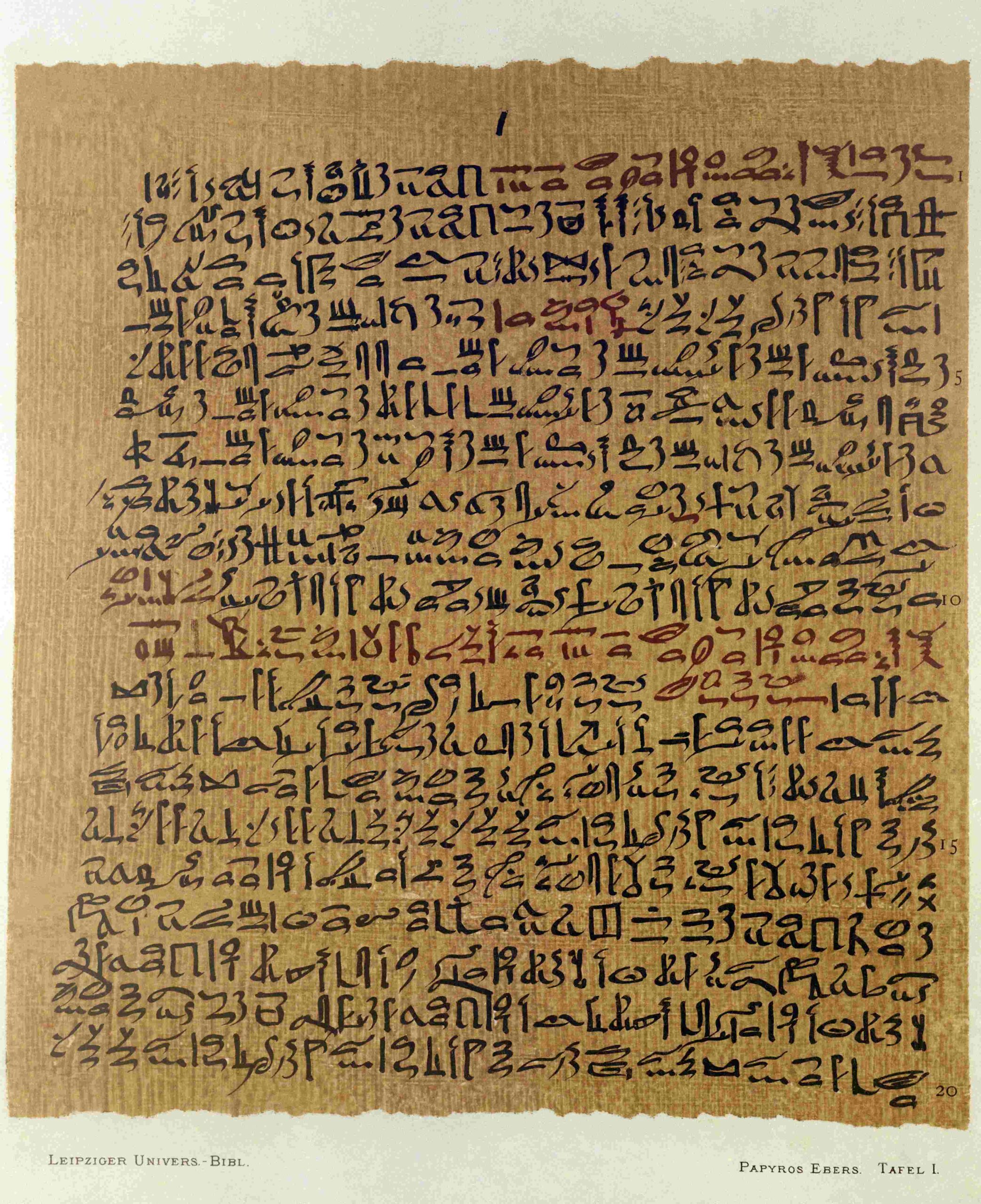

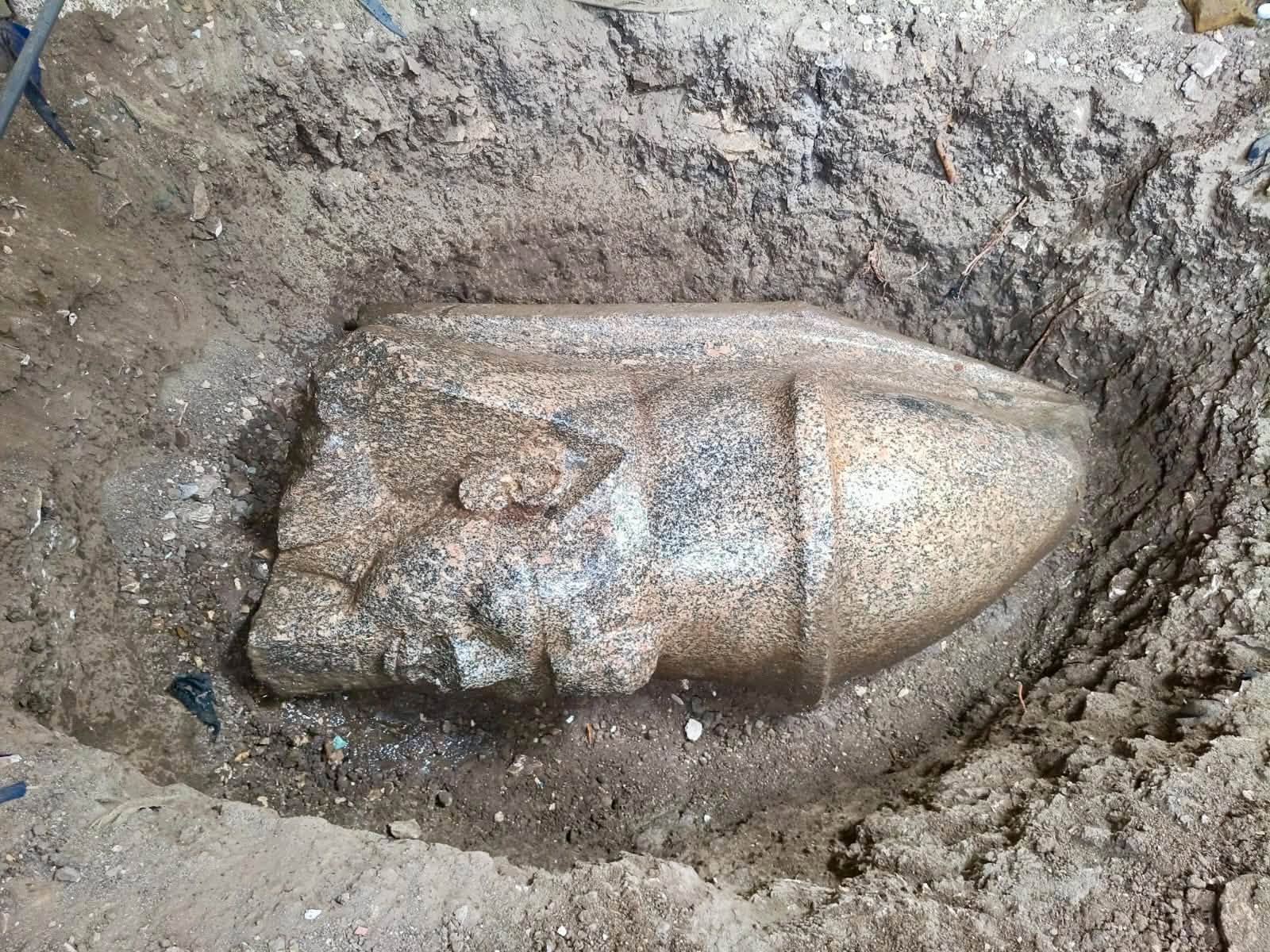
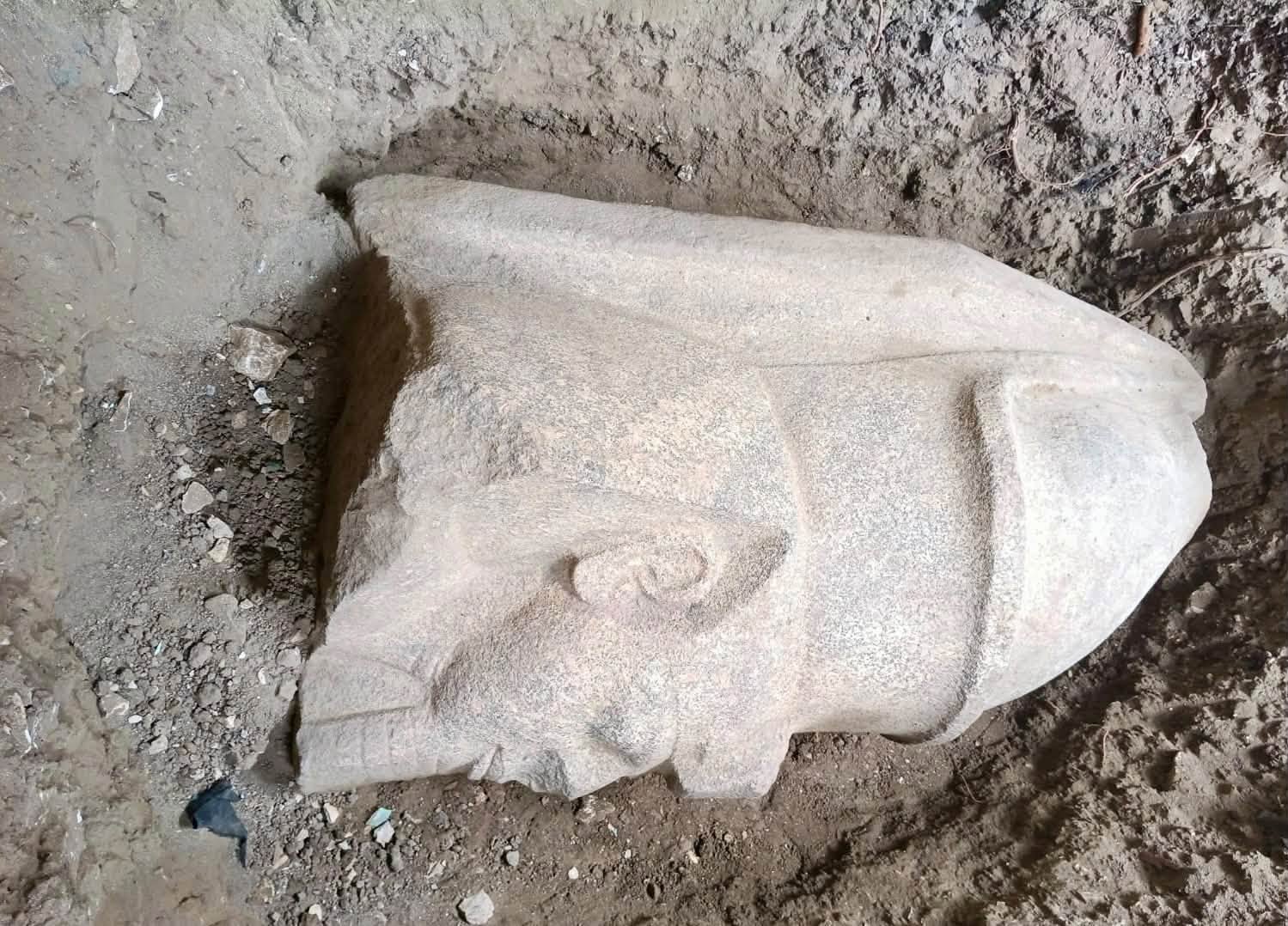
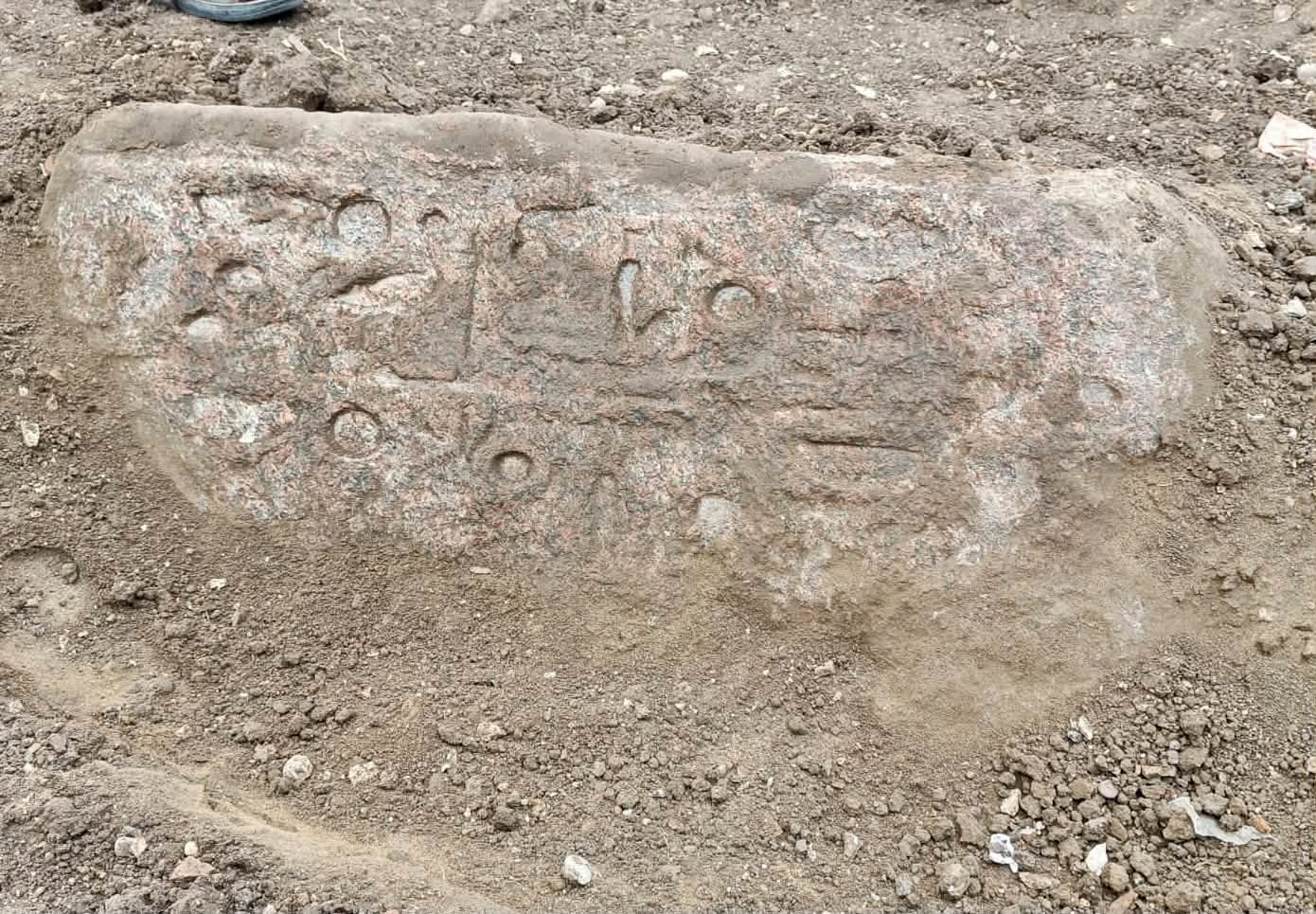
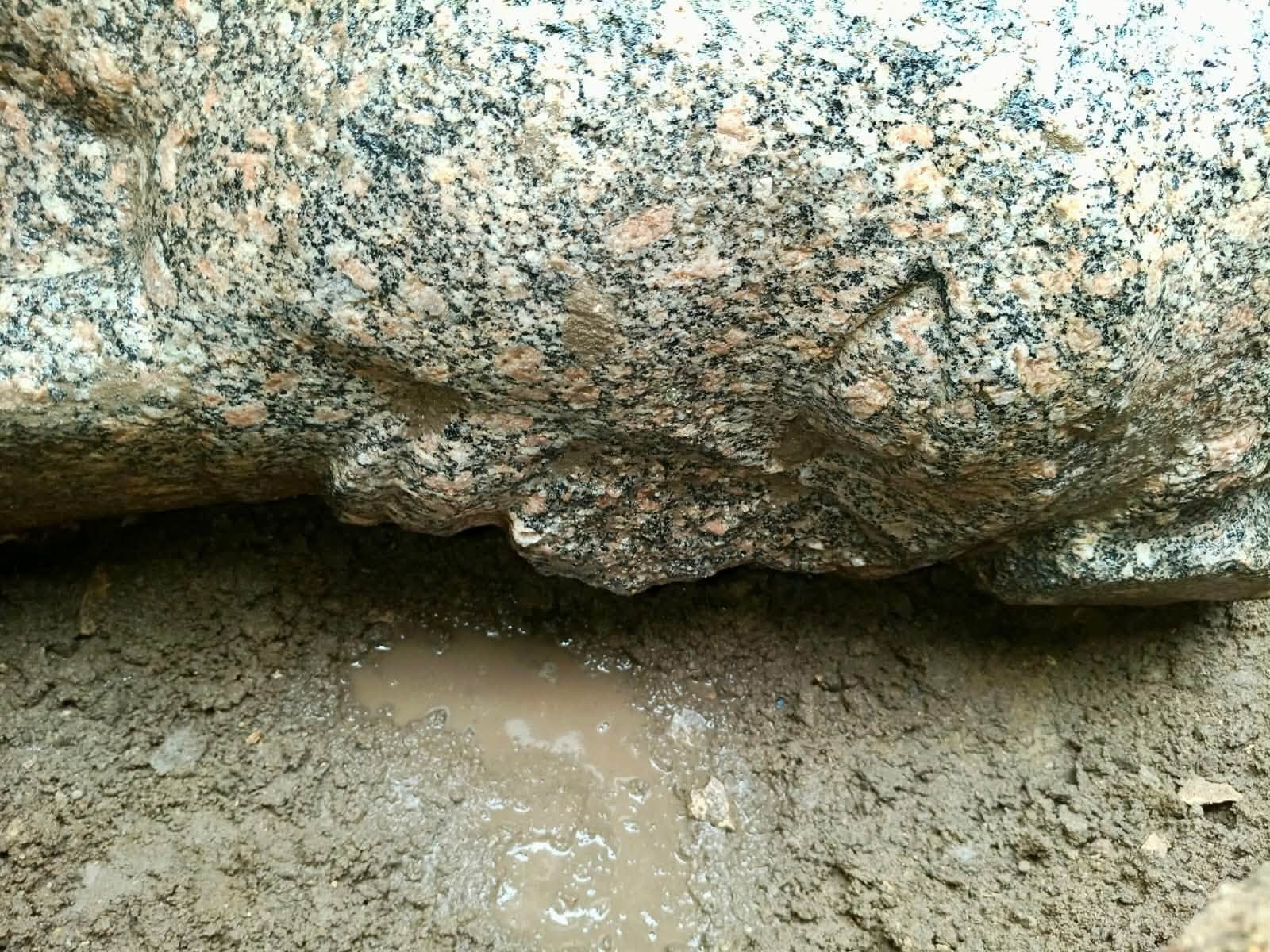
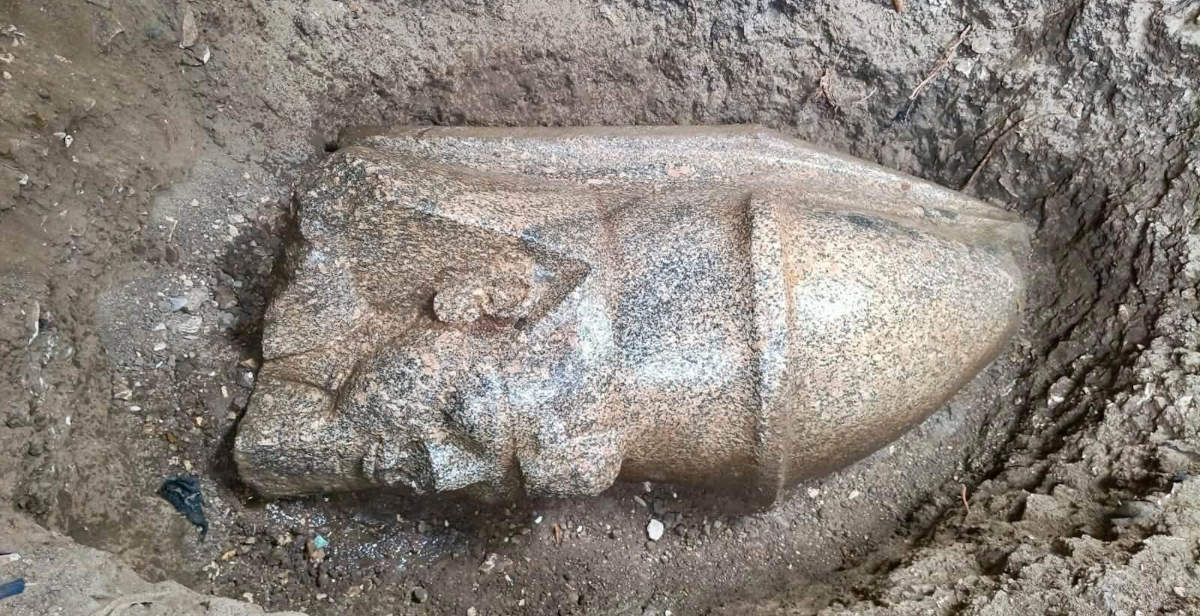
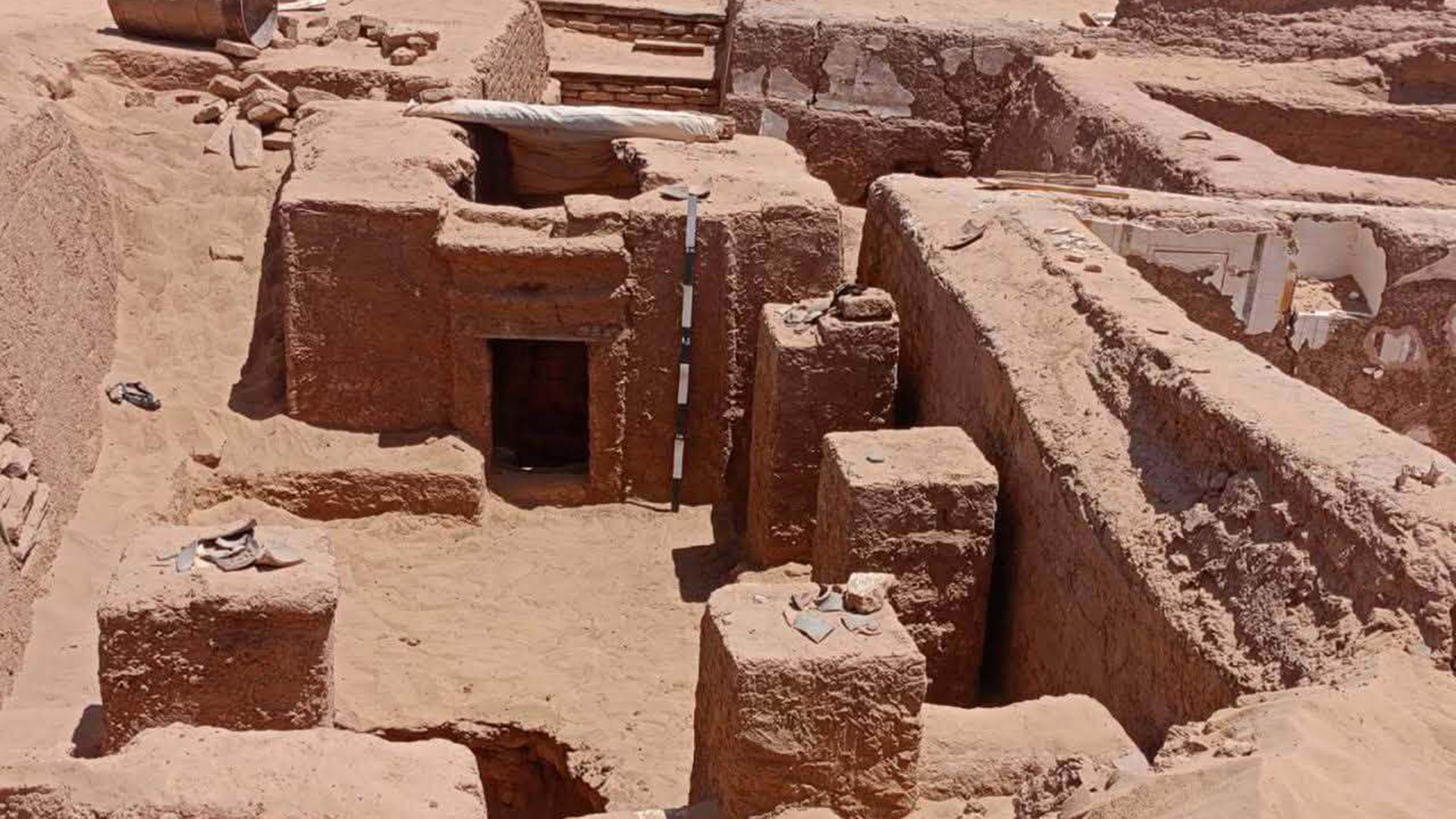
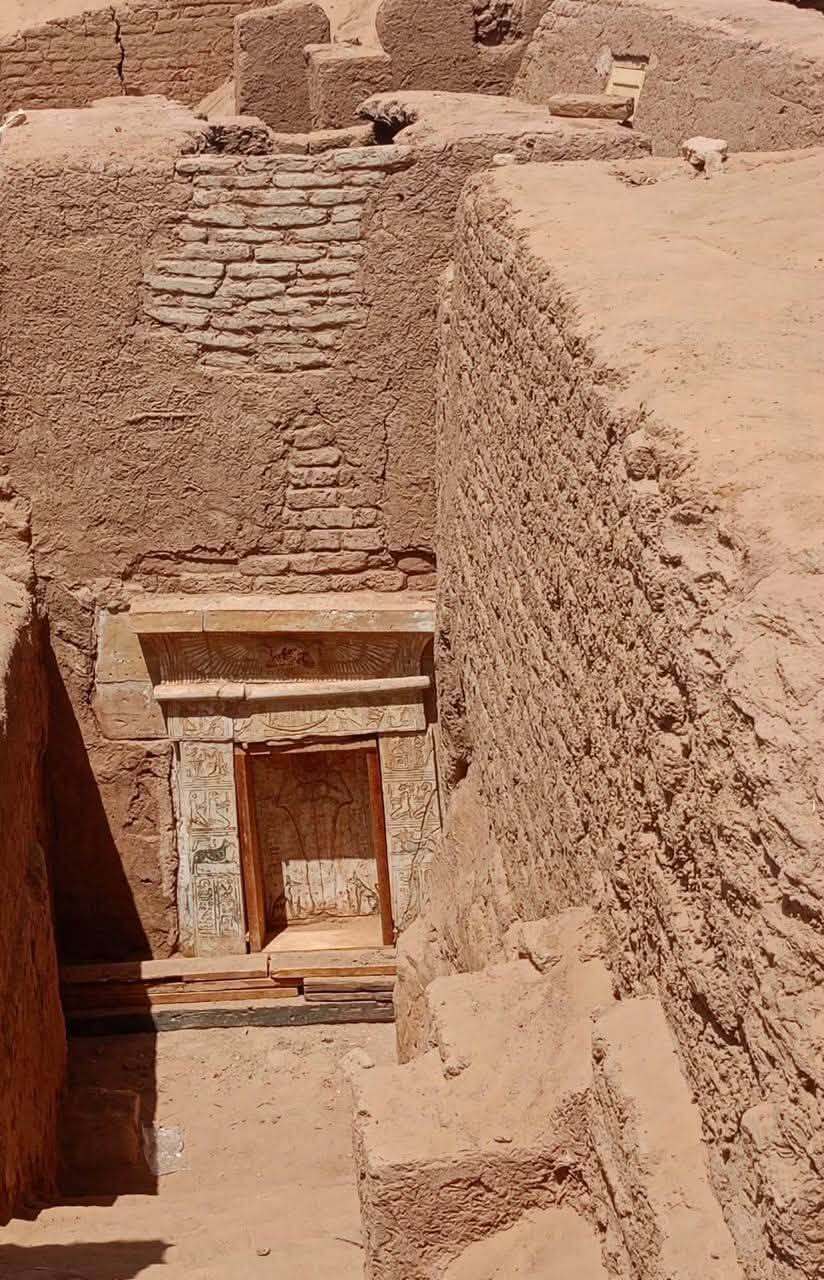
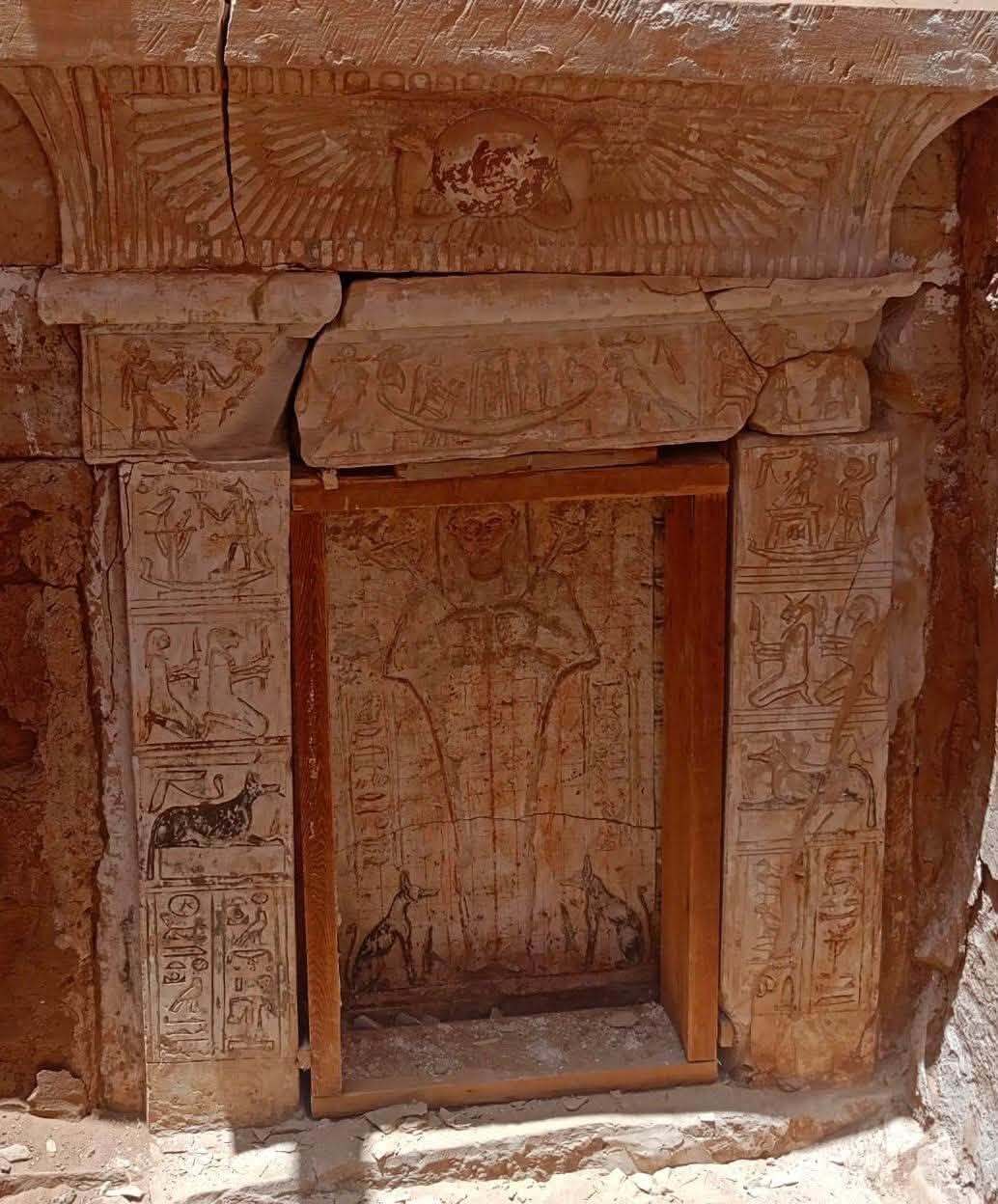
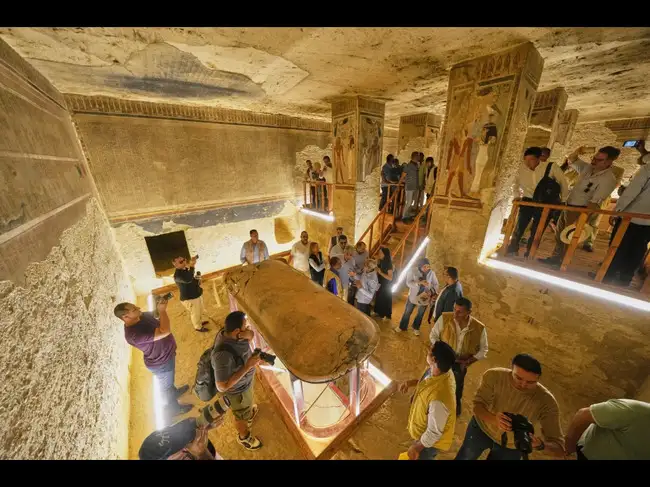
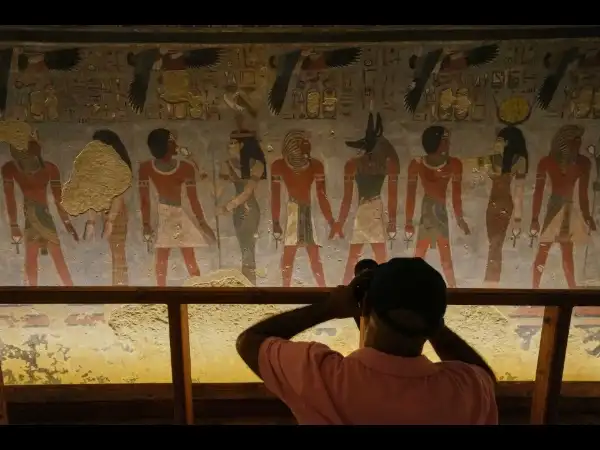
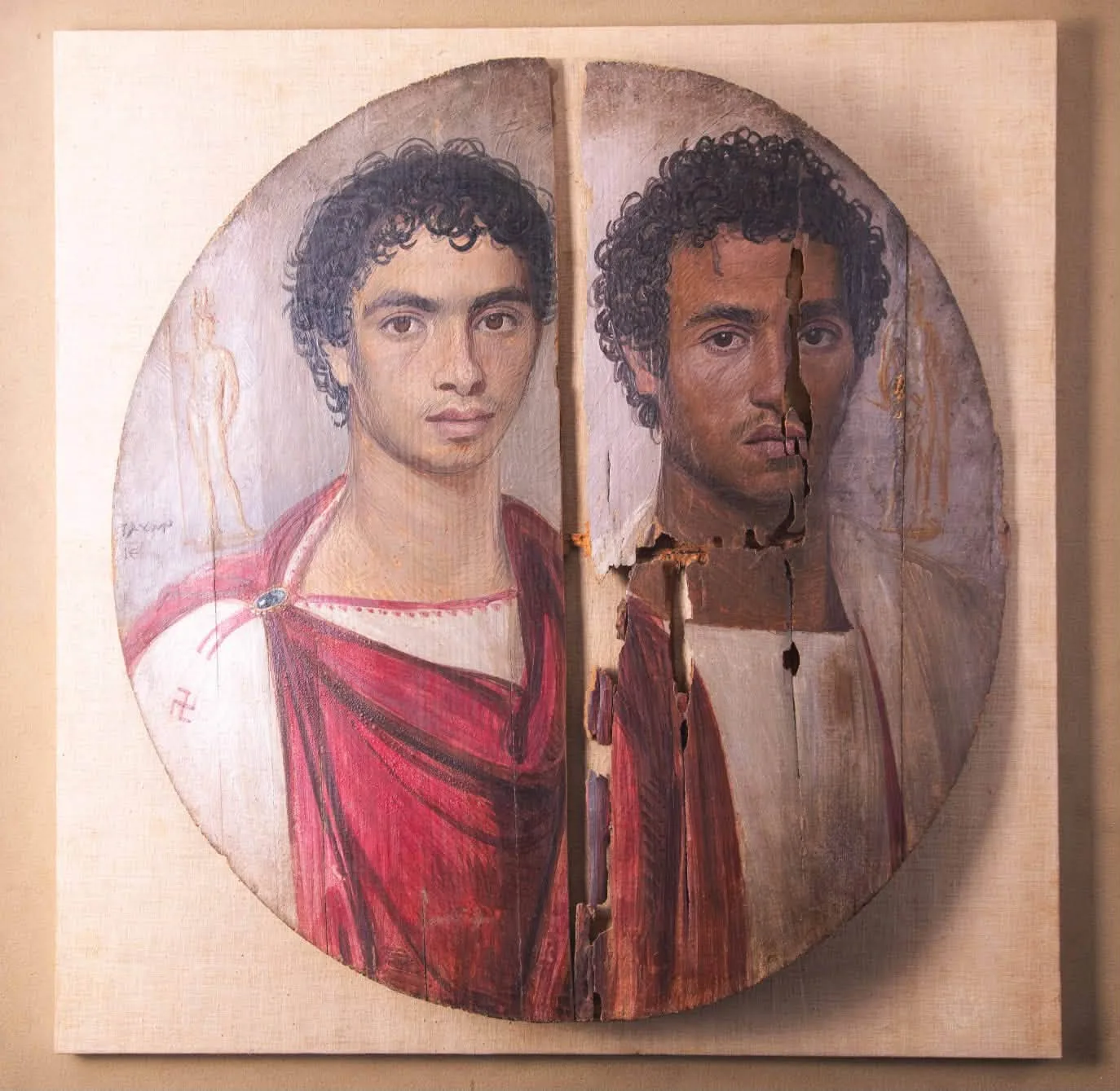


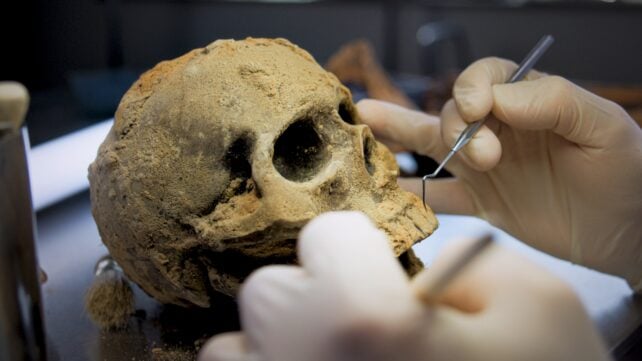
,_Papyros_Ebers,_1875_Wellcome_L0016592.jpg)